Electronic Cigarette Flavors: Exploring Consumer Demand and Flavor Technology Innovation

Electronic Cigarette Flavors: Exploring Consumer Demand and Flavor Technology Innovation

Introduction

The electronic cigarette (e-cigarette) industry has witnessed rapid development globally, fueled by the increasing diversification of flavor options. In this competitive landscape, flavor compounds play a crucial role in defining user experience, influencing both satisfaction and brand loyalty. This article, inspired by innovation leaders like HiFancy (hifancypod.com), explores the logic behind flavor design, analyzes consumer behavior, and delves into the technological advancements shaping the future of e-cigarette flavors.Electronic cigarettes

Current Market Landscape of E-Cigarette Flavors

1. Global and Regional Market Overview

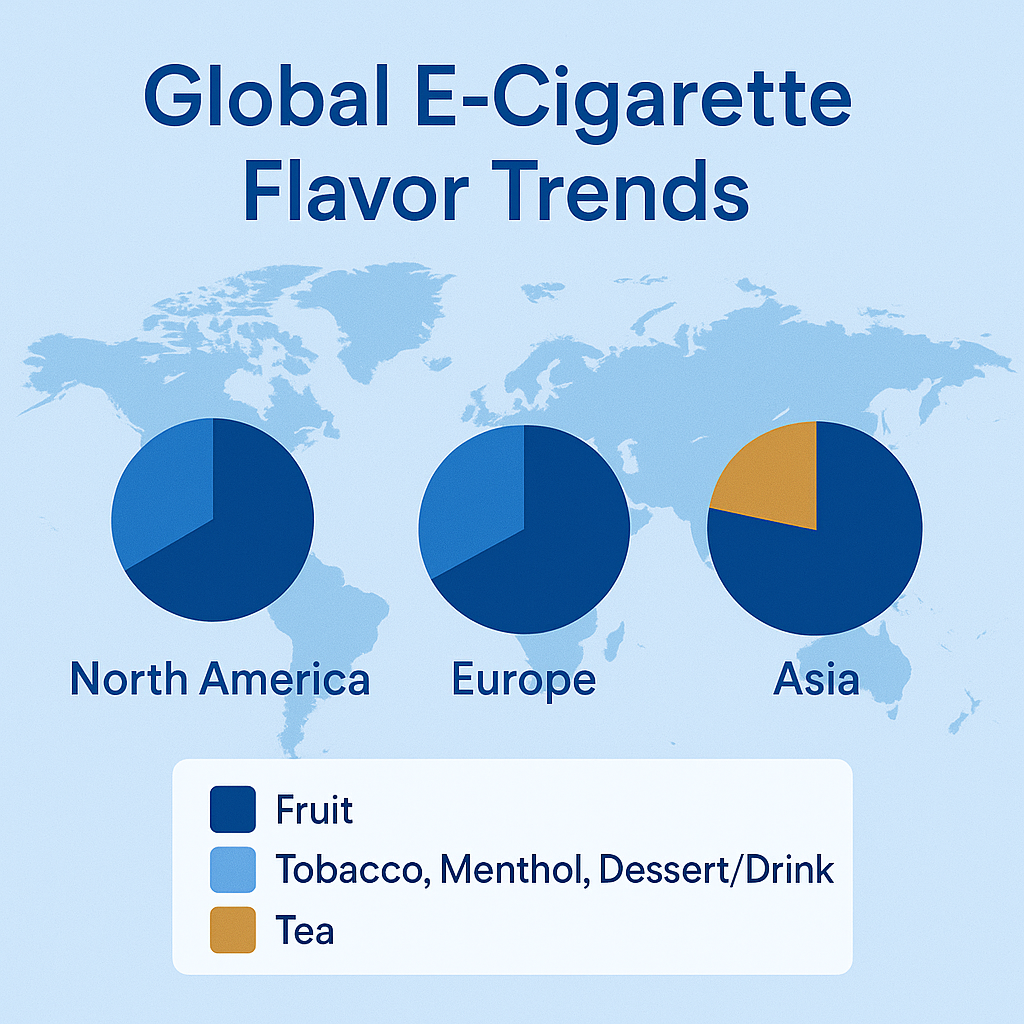
Consumer flavor preferences vary significantly across regions:

  • North America and Europe: Strong demand for fruit-based flavors like mango and berry blends Statista, 2024.
  • Asia-Pacific: Rising popularity of tea, dessert, and floral notes (e.g., matcha, lychee) Grand View Research, 2024.

According to Research and Markets, 2024, the global e-cigarette market is projected to grow at a CAGR of 6.2% from 2023 to 2030, reaching a value of USD 59.3 billion by 2030.

Brands like HiFancy are strategically positioning themselves to cater to these diversified regional demands by offering a wide array of carefully crafted flavors tailored to different consumer tastes.

2. Mainstream Flavor Categories

  • Classic Flavors: Tobacco, Menthol
  • Innovative Flavors: Fruits (mango, blueberry), Desserts (vanilla custard), Beverages (cola, tea), and Hybrid Blends (tobacco-fruit fusion).

3. Drivers Behind Flavor Preferences

  • Young Consumers: Seeking novelty, sharing experiences on social media.
  • Traditional Smokers: Searching for familiar sensations to aid tobacco cessation with satisfying transitions.

HiFancy’s product lines, for example, are designed not only to satisfy traditional smokers transitioning from tobacco but also to appeal to younger users seeking bold and refreshing flavor experiences.E-Cigarette Flavors Exploring Innovation, Consumer Demand, and HiFancy's Future Trends 2025 Guide

Technical Challenges in E-Cigarette Flavor Development

1. Core Requirements for Flavor Formulation

  • Safety: Must comply with international standards like PMTA (USA) and TPD (EU).
  • Thermal Stability: Maintain consistent aroma during high-temperature atomization.
  • Complex Flavor Layering: Balanced top, heart, and base notes.

2. Key Technical Barriers and Breakthroughs

  • Flavor-Nicotine Salt Compatibility: Preventing flavor distortion.
  • Avoiding Irritation: Designing molecules that resist harsh chemical breakdown under heat.
  • Natural Extracts vs. Synthetic Flavors: Balancing cost-efficiency and sensory complexity Flavor and Fragrance Journal, 2023.

At HiFancy, the R&D teams prioritize flavor stability and smooth vapor delivery to ensure every pod delivers a consistently rich experience without harshness or degradation.

3. Case Study Analysis

  • Success Story: Mango Ice Flavor — Combines tropical sweetness with a cooling agent, creating a refreshing mouthfeel favored by young adults.
  • Failure Example: Overly sweet flavors with poor thermal stability, leading to burnt or harsh aftertastes, resulting in rapid market exit.

Consumer Psychology and Innovation Directions

1. Emotional Design

  • Memory Evocation: Flavors reminiscent of childhood snacks (e.g., bubblegum, marshmallow).
  • Cultural Resonance: Integrating local identity, such as Japanese Matcha or Thai Milk Tea flavors.

HiFancy often incorporates cultural inspirations into its flavor creations, making products that resonate emotionally with diverse global audiences.

2. Health-Conscious Trends

  • Clean Label Demand: Low-sugar, additive-free, transparent ingredient labeling.
  • Functional Flavors: Incorporating cooling agents (WS-23) or soothing botanicals (chamomile extract).

3. Personalization and Customization

  • Rise of Niche Flavors: Herbal, alcoholic notes (e.g., mojito, whiskey).
  • Co-Creation Strategy: Brands leveraging surveys, social media polls, and beta testing to craft limited-edition flavors.

HiFancy frequently interacts with users through its online community at hifancypod.com, gathering feedback that directly informs its next-generation flavor releases.


Regulatory and Ethical Controversies

1. Global Regulatory Updates

  • Flavor Bans: The U.S. Food and Drug Administration (FDA) restricted many flavored cartridges to combat youth vaping FDA Flavored Tobacco Policy, 2020.
  • Compliance Pathways: Adhering to PMTA submissions and ingredient disclosure protocols.

HiFancy ensures full compliance with international regulations, maintaining transparency and prioritizing responsible marketing practices.

2. Ethical Dilemmas

  • Youth Appeal Concerns: Fruity and sweet flavors may unintentionally attract minors.
  • Industry Responses: Emphasizing responsible marketing, transparent composition, and supporting public health initiatives.

Future Trends in Flavor Innovation

1. Technological Innovations

  • Nanoencapsulation: Protecting flavor molecules for enhanced heat resistance and longer shelf life.
  • AI-Assisted Flavor Design: Using machine learning to predict optimal flavor combinations and shorten R&D cycles MIT Technology Review, 2024.

Brands like HiFancy are actively exploring AI-driven formulation processes to deliver even more refined, customized flavor profiles.

2. Market Demand Forecast

  • Natural and Organic Certification: Growing consumer trust in organic-label flavors.
  • Mood-Enhancing Flavors: Introducing stress-relieving, sleep-aiding, and energizing aroma profiles.

3. Opportunities for Flavor Manufacturers

  • Exclusive Partnerships: Co-developing signature blends for premium e-cigarette brands.
  • Localized Strategies: Tailoring flavors to regional taste profiles to strengthen brand loyalty.

Conclusion

The flavor experience in e-cigarettes represents a sophisticated blend of technology, artistry, and consumer psychology. Brands like HiFancy (hifancypod.com) exemplify how innovation, customer-centric design, and regulatory compliance can combine to push the industry forward. As the e-cigarette market evolves, the partnership between flavor creators and device manufacturers will be pivotal in delivering safer, more satisfying, and emotionally resonant vaping experiences.


SEO Optimization Summary

  • Target Keywords: e-cigarette flavors, flavor innovation, vaping trends, flavor technology, consumer demand vaping, HiFancy.
  • Meta Title: E-Cigarette Flavors: Exploring Innovation, Consumer Demand, and HiFancy’s Future Trends | 2025 Guide
  • Meta Description: Discover how HiFancy and flavor technology shape the e-cigarette industry. Explore consumer trends, technical challenges, and vaping flavor innovation for 2025.


 

Similar Posts

  • The Art of Flavor Pairing: Creating Sensational Taste Experiences

    Flavor Pairing: A Culinary Delight Flavor pairing is an art that chefs and food enthusiasts alike have mastered over centuries. It’s the skill of combining different ingredients to create a harmonious blend of flavors that excite the palate. From sweet and savory to spicy and tangy, the possibilities are endless when it comes to creating…

  • Best Fragrances for Detergents: How to Choose the Right Scent

      🧺 Best Fragrances for Detergents: How to Choose the Right Scent When consumers buy laundry detergents, one factor consistently ranks among the top: fragrance. The right scent doesn’t just clean clothes—it enhances brand loyalty, evokes emotional comfort, and even shapes perceptions of cleanliness. But with so many scent options, how do formulators, brands, and…

  • Canton Fair and the Fragrance Industry: Opportunities and Challenges in Globalization

    Canton Fair and the Fragrance Industry: Opportunities and Challenges in Globalization The Canton Fair (China Import and Export Fair) is a key event in global trade, providing an excellent platform for fragrance companies to showcase their products and expand their markets. This article explores the role of fragrance manufacturers in the Canton Fair, analyzes global…

  • What’s the Difference Between Fragrance Oil and Essential Oil?

    🌿 What’s the Difference Between Fragrance Oil and Essential Oil? 🧭 Introduction: Similar Names, Different Natures If you’ve ever browsed candles, diffusers, or skincare labels, you’ve probably seen both “fragrance oil” and “essential oil.” While they may seem similar—both are aromatic oils—they’re very different in terms of origin, composition, usage, and safety. In this guide,…

  • Exploring the World of Aroma Chemicals

    Exploring the World of Aroma Chemicals Aroma chemicals are everywhere, yet often go unnoticed. They are the unsung heroes behind the scents and flavors we love. These compounds are crucial in creating fragrances and flavors in countless products. From perfumes to food, they play a vital role. Aroma chemicals can be natural or synthetic. Synthetic versions are more common due to their consistency and cost-effectiveness. The fragrance industry relies heavily on these chemicals. They ensure that scents are long-lasting and consistent across products. Flavoring agents, another type of aroma chemical, enhance the taste of food and beverages. They make our favorite treats even more enjoyable. The history of aroma chemicals is rich and fascinating. Ancient civilizations used natural extracts for scenting, laying the groundwork for modern perfumery. Today, the balance between natural and synthetic ingredients is key. This balance creates unique fragrance profiles that captivate our senses. As we explore the world of aroma chemicals, we uncover their impact on our daily lives. They shape our experiences and evoke emotions, making them indispensable.   What Are Aroma Chemicals? Aroma chemicals are specialized compounds used in creating scents and flavors. They are the building blocks of fragrance and flavor industries, essential in many products. These compounds can be derived from both natural and synthetic sources. Natural aroma compounds are extracted from plants or animal products, while synthetic ones are manufactured in labs. Synthetic aroma chemicals offer several advantages. They provide consistency, purity, and often a more cost-effective solution than their natural counterparts. Aroma chemicals are utilized in various applications. This includes perfumes, cosmetics, food products, and even cleaning supplies. They are selected based on their ability to enhance the user experience. Common uses of aroma chemicals include: Perfumes: creating distinctive and lasting scents. Food and beverages: enhancing flavors. Household products: masking odors. Cosmetics: adding pleasant fragrances. The science behind aroma chemicals is complex, involving intricate molecule interactions. This fascinating chemistry allows them to mimic natural scents effectively. A key aspect of their success lies in their ability to evoke emotions and trigger memories. This emotional connection is why aroma chemicals are so effective in marketing.   The History and Evolution of Aroma Chemicals The use of aroma chemicals can be traced back to ancient civilizations. Early societies used natural extracts for incense and personal scenting. During the Renaissance, advances in distillation improved the extraction of aromatic compounds. This period saw the rise of perfumery in Europe, laying the groundwork for modern developments. The 19th century marked a significant shift. Synthetic production techniques expanded the palette of available scents. This innovation revolutionized the industry, leading to mass-market fragrances. In the 20th century, chemistry and technology advanced further. New methods allowed for complex fragrance compositions, combining both natural and synthetic ingredients. Key milestones in aroma chemicals’ evolution include: Ancient times: Use of natural extracts. Renaissance: Improved distillation techniques. 19th century: Introduction of synthetic aroma compounds. 20th century: Complex fragrance formulations. The evolution of aroma chemicals reflects broader trends in science and technology. It has continually adapted to consumer preferences and industry demands. Today, the focus is on sustainability and innovation. Efforts are underway to create eco-friendly processes and new, sustainable aroma compounds. by Emile Mbunzama (https://unsplash.com/@emilembunzama) Natural vs. Synthetic Aroma Chemicals Aroma chemicals can be either natural or synthetic. Each type offers unique attributes and advantages in fragrance and flavor production. Natural aroma compounds are derived from plant and animal sources. Essential oils and extracts provide natural scent profiles. These compounds are often favored for their purity and aromatic qualities. Synthetic aroma chemicals, however, are created in laboratories. They replicate both familiar and novel scents. This method allows for cost-effective production and greater scent variety. Choosing between natural and synthetic aromas involves several considerations. Factors include cost, availability, scent longevity, and consumer preferences. Many products today blend both types for optimal results. Key differences between natural and synthetic aroma chemicals include: Natural: Sourced from plants and animals. Synthetic: Lab-created, often more consistent and durable. Scent Profile: Natural for purity, synthetic for variety. Cost: Natural can be pricier; synthetic is more economical. Availability: Natural sources can be limited. The balance between these two forms of aroma chemicals is crucial. It influences fragrance formulation and appeals to diverse consumer needs. Ultimately, the choice depends on the desired product attributes and market trends. Both natural and synthetic types continue to play vital roles in the industry. by Ela De Pure (https://unsplash.com/@eladepure) Key Types of Fragrance Compounds and Flavoring Agents Fragrance compounds are essential elements in perfumery and flavoring. They provide unique scent and taste profiles, enhancing product appeal. Esters are a common type of fragrance compound. They offer fruity and floral scents. Widely used in perfumes, they provide fresh, sweet aromas. Aldehydes are another vital group. They contribute to fresh and citrusy scents. Found in many household and personal care products, they bring a lively aroma. Ketones are notable for their versatility. They range from sweet to woody scents. Ketones add depth and complexity to many fragrances and flavors….

  • The Benefits of Synthetic Fragrances in Commercial Products

    The Benefits of Synthetic Fragrances in Commercial Products Introduction Fragrance plays a powerful role in shaping how consumers perceive and interact with products. From the refreshing scent of a citrus dishwashing liquid to the soothing aroma of a lavender-scented fabric softener, fragrance transforms ordinary products into memorable sensory experiences. For many consumers, scent is not…

Жооп калтыруу