电子烟口味:探索消费者需求和香味技术创新

电子烟口味:探索消费者需求和香味技术创新

导言

电子香烟(电子烟)行业在全球范围内得到了快速发展,口味选择的日益多样化推动了这一行业的发展。在这一竞争格局中 风味化合物 在定义用户体验、影响满意度和品牌忠诚度方面发挥着至关重要的作用。本文的灵感来自创新领导者,如 HiFancy (hifancypod.com),探讨了香精设计背后的逻辑,分析了消费者行为,并深入研究了塑造电子烟香精未来的技术进步。Electronic cigarettes

电子烟香料的当前市场格局

1.全球和地区市场概述

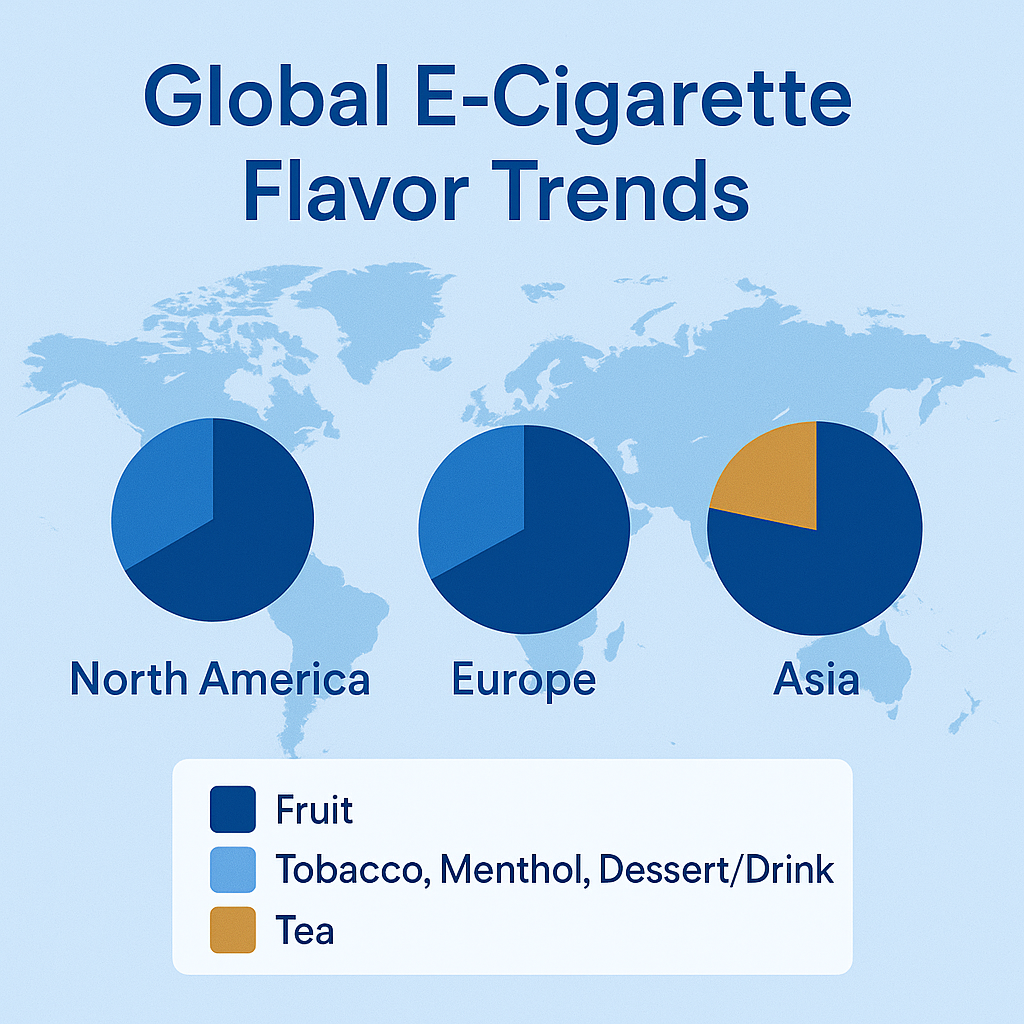
不同地区消费者的口味偏好差异很大:

根据 研究与市场,2024 年预计全球电子烟市场的年复合增长率将达到 6.2% 从 2023 年到 2030 年,其价值将达到 593 亿美元 到 2030 年。

品牌如 HiFancy 通过提供各种精心制作的口味,迎合不同消费者的口味,从而实现自己的战略定位,以满足这些多样化的地区需求。

2.主流口味类别

  • 经典口味:烟草、薄荷
  • 创新口味:水果(芒果、蓝莓)、甜点(香草奶油冻)、饮料(可乐、茶)和混合饮料(烟草水果混合饮料)。

3.口味偏好背后的驱动因素

  • 年轻消费者:追求新奇,在社交媒体上分享经验。
  • 传统烟熏炉:寻找熟悉的感觉,以令人满意的过渡帮助戒烟。

HiFancy例如,该公司的产品系列不仅能满足从烟草过渡的传统吸烟者的需求,还能吸引追求大胆、清新口味体验的年轻用户。E-Cigarette Flavors Exploring Innovation, Consumer Demand, and HiFancy's Future Trends 2025 Guide

电子烟香料开发的技术挑战

1.香料配方的核心要求

  • 安全:必须符合国际标准,如 PMTA(美国)全氟辛烷磺酸(欧盟).
  • 热稳定性:在高温雾化过程中保持稳定的香气。
  • 复杂的风味层次:均衡的前调、中调和基调。

2.关键技术障碍和突破

  • 香料-尼古丁盐兼容性:防止风味失真。
  • 避免刺激:设计能在高温下抵抗苛刻化学分解的分子。
  • 天然提取物与合成香料的比较:平衡 成本效益感官复杂性 香料与香精期刊》,2023 年.

HiFancy此外,研发团队还优先考虑口味的稳定性和顺畅的蒸汽输送,以确保每个豆荚都能带来始终如一的丰富体验,而不会产生刺鼻或变质的感觉。

3.案例研究分析

  • 成功案例: 芒果冰口味 - 结合了热带甜味和清凉剂,口感清爽,深受年轻人喜爱。
  • 失败实例:口味过甜,热稳定性差,导致焦味或刺鼻的余味,从而迅速退出市场。

消费者心理与创新方向

1.情感设计

  • 记忆唤醒:让人想起童年零食的味道(如泡泡糖、棉花糖)。
  • 文化共鸣:融入地方特色,如 日本抹茶泰国奶茶 味道

HiFancy 该公司经常将文化灵感融入其风味创意中,使产品能与全球不同受众产生情感共鸣。

2.注重健康的趋势

  • 清洁标签需求:低糖、无添加剂、透明成分标签。
  • 功能性香料:纳入 冷却剂 (WS-23) 或 舒缓植物成分 (甘菊提取物)。

3.个性化和定制

  • 小众口味的崛起:草本、酒精气息(如莫吉托、威士忌)。
  • 共同创造战略:品牌利用调查、社交媒体投票和测试来制作限量版口味。

HiFancy 经常通过其在线社区与用户互动,社区网址为 hifancypod.com收集反馈意见,为下一代口味的发布提供直接依据。


监管和伦理争议

1.全球监管更新

HiFancy 确保完全遵守国际法规,保持透明度,并优先考虑负责任的营销做法。

2.伦理困境

  • 青年呼吁关注:果味和甜味可能会无意中吸引未成年人。
  • 行业回应:强调负责任的营销、透明的成分以及支持公共卫生倡议。

香料创新的未来趋势

1.技术创新

像 HiFancy 这样的品牌正在积极探索人工智能驱动的配方流程,以提供更加精致的定制化风味。

2.市场需求预测

  • 天然有机认证:消费者对有机标签口味的信任度不断提高。
  • 提升情绪的味道:介绍减压、助眠和提神的香氛。

3.香料制造商的机遇

  • 独家合作伙伴:为高端电子烟品牌共同开发特色混合物。
  • 本地化战略:根据地区口味特征调整口味,加强品牌忠诚度。

结论

电子烟的风味体验融合了以下元素 技术, 艺术性消费心理学.品牌如 HiFancy (hifancypod.com)是创新、以客户为中心的设计和监管合规如何结合起来推动行业发展的典范。随着电子烟市场的发展,香精创造者和设备制造商之间的合作将在提供更安全、更满意、更能引起情感共鸣的电子烟体验方面发挥关键作用。


搜索引擎优化总结

  • 目标关键词电子烟口味、口味创新、电子烟趋势、口味技术、消费者对电子烟的需求、HiFancy。
  • 元标题: 电子烟口味:探索创新、消费者需求和 HiFancy 未来趋势 | 2025 年指南
  • 元描述: 探索 HiFancy 和香精技术如何塑造电子烟行业。探索 2025 年的消费趋势、技术挑战和电子烟口味创新。

 

类似文章

  • Exploring the World of Aroma Chemicals

    Exploring the World of Aroma Chemicals Aroma chemicals are everywhere, yet often go unnoticed. They are the unsung heroes behind the scents and flavors we love. These compounds are crucial in creating fragrances and flavors in countless products. From perfumes to food, they play a vital role. Aroma chemicals can be natural or synthetic. Synthetic versions are more common due to their consistency and cost-effectiveness. The fragrance industry relies heavily on these chemicals. They ensure that scents are long-lasting and consistent across products. Flavoring agents, another type of aroma chemical, enhance the taste of food and beverages. They make our favorite treats even more enjoyable. The history of aroma chemicals is rich and fascinating. Ancient civilizations used natural extracts for scenting, laying the groundwork for modern perfumery. Today, the balance between natural and synthetic ingredients is key. This balance creates unique fragrance profiles that captivate our senses. As we explore the world of aroma chemicals, we uncover their impact on our daily lives. They shape our experiences and evoke emotions, making them indispensable.   What Are Aroma Chemicals? Aroma chemicals are specialized compounds used in creating scents and flavors. They are the building blocks of fragrance and flavor industries, essential in many products. These compounds can be derived from both natural and synthetic sources. Natural aroma compounds are extracted from plants or animal products, while synthetic ones are manufactured in labs. Synthetic aroma chemicals offer several advantages. They provide consistency, purity, and often a more cost-effective solution than their natural counterparts. Aroma chemicals are utilized in various applications. This includes perfumes, cosmetics, food products, and even cleaning supplies. They are selected based on their ability to enhance the user experience. Common uses of aroma chemicals include: Perfumes: creating distinctive and lasting scents. Food and beverages: enhancing flavors. Household products: masking odors. Cosmetics: adding pleasant fragrances. The science behind aroma chemicals is complex, involving intricate molecule interactions. This fascinating chemistry allows them to mimic natural scents effectively. A key aspect of their success lies in their ability to evoke emotions and trigger memories. This emotional connection is why aroma chemicals are so effective in marketing.   The History and Evolution of Aroma Chemicals The use of aroma chemicals can be traced back to ancient civilizations. Early societies used natural extracts for incense and personal scenting. During the Renaissance, advances in distillation improved the extraction of aromatic compounds. This period saw the rise of perfumery in Europe, laying the groundwork for modern developments. The 19th century marked a significant shift. Synthetic production techniques expanded the palette of available scents. This innovation revolutionized the industry, leading to mass-market fragrances. In the 20th century, chemistry and technology advanced further. New methods allowed for complex fragrance compositions, combining both natural and synthetic ingredients. Key milestones in aroma chemicals’ evolution include: Ancient times: Use of natural extracts. Renaissance: Improved distillation techniques. 19th century: Introduction of synthetic aroma compounds. 20th century: Complex fragrance formulations. The evolution of aroma chemicals reflects broader trends in science and technology. It has continually adapted to consumer preferences and industry demands. Today, the focus is on sustainability and innovation. Efforts are underway to create eco-friendly processes and new, sustainable aroma compounds. by Emile Mbunzama (https://unsplash.com/@emilembunzama) Natural vs. Synthetic Aroma Chemicals Aroma chemicals can be either natural or synthetic. Each type offers unique attributes and advantages in fragrance and flavor production. Natural aroma compounds are derived from plant and animal sources. Essential oils and extracts provide natural scent profiles. These compounds are often favored for their purity and aromatic qualities. Synthetic aroma chemicals, however, are created in laboratories. They replicate both familiar and novel scents. This method allows for cost-effective production and greater scent variety. Choosing between natural and synthetic aromas involves several considerations. Factors include cost, availability, scent longevity, and consumer preferences. Many products today blend both types for optimal results. Key differences between natural and synthetic aroma chemicals include: Natural: Sourced from plants and animals. Synthetic: Lab-created, often more consistent and durable. Scent Profile: Natural for purity, synthetic for variety. Cost: Natural can be pricier; synthetic is more economical. Availability: Natural sources can be limited. The balance between these two forms of aroma chemicals is crucial. It influences fragrance formulation and appeals to diverse consumer needs. Ultimately, the choice depends on the desired product attributes and market trends. Both natural and synthetic types continue to play vital roles in the industry. by Ela De Pure (https://unsplash.com/@eladepure) Key Types of Fragrance Compounds and Flavoring Agents Fragrance compounds are essential elements in perfumery and flavoring. They provide unique scent and taste profiles, enhancing product appeal. Esters are a common type of fragrance compound. They offer fruity and floral scents. Widely used in perfumes, they provide fresh, sweet aromas. Aldehydes are another vital group. They contribute to fresh and citrusy scents. Found in many household and personal care products, they bring a lively aroma. Ketones are notable for their versatility. They range from sweet to woody scents. Ketones add depth and complexity to many fragrances and flavors….

  • 什么是天然风味解释

    🌿 What Is Natural Flavor? The Truth About the Term, the Comparison with Artificial Flavors, and Hidden Health Risks 🧭 Introduction: A Natural Illusion? “Natural flavor” — it sounds healthy, clean, and trustworthy. But what does it actually mean? This vague term appears on countless ingredient lists, from sparkling waters to granola bars, yet most…

  • 掌握焦糖化反应:褐变综合指南

    Caramelization is more than just a culinary process; it’s a transformation that elevates flavors, tantalizes taste buds, and adds depth to dishes. In this definitive guide, we delve into the science behind the caramelization reaction, exploring its intricacies, applications, and culinary implications. Whether you’re a seasoned chef or an amateur enthusiast, join us on a…

  • 化妆品中的香料安全吗?事实、科学与法规

    🧴 Is Fragrance in Cosmetics Safe? Breaking Down the Facts Fragrance is found in nearly every cosmetic product—from lotions to lipsticks to serums. It enhances the sensory experience and contributes to brand identity. But increasingly, consumers are asking: Is fragrance in cosmetics actually safe? Let’s explore what “fragrance” really means on product labels, what the…

  • 掌握饮料风味的终极指南:提升饮酒体验

    The Ultimate Guide to Mastering Beverage Flavors: Elevating Your Drinking Experience Introduction The Importance of Flavor in Beverages: An Overview Flavor is at the heart of our drinking experience. It transforms ordinary drinks into memorable moments, enhancing our enjoyment and satisfaction. Beverages, whether non-alcoholic or alcoholic, rely heavily on a combination of flavors that can…

  • 香水香调及其作用综合指南:深入了解柑橘、花香、木香及其他香调

    🌸 Perfume Notes and Their Classification: A Comprehensive Guide to Fragrance Families Perfume is an intricate art of blending various aromatic ingredients to create a sensory experience. The key to a great fragrance lies in understanding its notes. A note refers to the different layers of scent that emerge over time as the perfume settles…

发表回复