Vanilla Flavoring

Where Does Vanilla Flavoring Come From?

🌿 Where Does Vanilla Flavoring Come From?

A Deep Dive Into Natural, Synthetic, and Everything In BetweenVanilla Flavoring
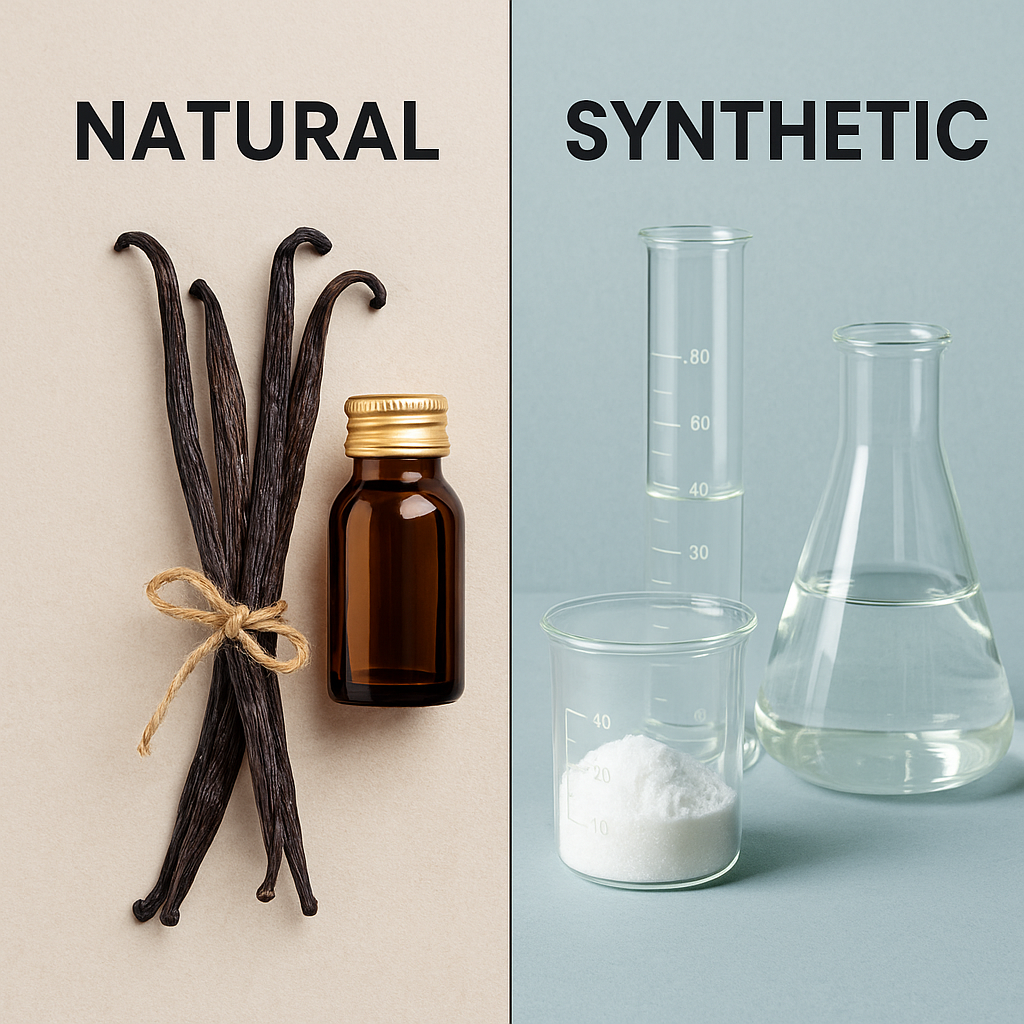

🧭 Introduction: Why It Matters

Vanilla is one of the most loved and widely used flavors in the world—found in ice cream, cookies, beverages, perfumes, and even soaps. But when you read “vanilla flavoring” on a label, do you really know where it comes from?

With rising consumer concerns about natural ingredients and synthetic additives, it’s time to uncover the real origins of vanilla flavoring—and bust a few myths along the way.


🍃 1. Natural Vanilla Flavoring: Straight from the Vanilla Orchid

Natural vanilla flavoring is extracted from the vanilla bean, which grows on the Vanilla planifolia orchid. These plants are primarily cultivated in Madagascar, Mexico, and Indonesia.

💡 Key Facts:

  • Each vanilla bean pod must be hand-pollinated and cured—a labor-intensive process.
  • The active compound responsible for the familiar aroma is vanillin.
  • Natural vanilla extract is produced by soaking the beans in alcohol and water.

🧪 This process yields rich, complex notes—but also makes it one of the most expensive spices in the world.


🧬 2. Synthetic Vanilla: The Science Behind the Scent

Because of the high cost and limited availability of natural vanilla, most of the vanilla flavor used globally is synthetic. Surprisingly, it’s chemically identical to natural vanillin.

🧪 Common Synthetic Sources:

  • Lignin – derived from wood pulp (a byproduct of paper manufacturing)
  • Guaiacol – derived from petrochemicals
  • Ferulic acid – sourced from rice bran or corn and fermented via biotechnology

Advantages of Synthetic Vanillin:

  • Consistent supply
  • Affordable pricing
  • High purity and stability

Around 95% of vanilla-flavored products on the market use synthetic vanillin.


🚫 3. Myth Busted: The Beaver Gland Controversy

A persistent myth suggests that vanilla flavoring is made from beaver anal glands, specifically a substance called castoreum. While technically true in rare perfumery cases, it is not used in modern food production.

Why?

  • It’s extremely expensive to harvest
  • It’s not approved for wide-scale food use
  • It’s largely obsolete thanks to synthetic alternatives

So, no—your vanilla ice cream doesn’t come from a beaver.


⚖️ 4. Vanilla Extract vs. Vanilla Flavoring vs. Vanillin

Not all vanilla terms mean the same thing. Here’s a breakdown:

Term Source Natural? Common Use
Vanilla Extract Alcohol extraction of real vanilla beans ✅ Yes Premium desserts, gourmet baking
Vanilla Flavoring Often synthetic or mixed ❌ No / Mixed Processed foods
Vanillin Pure compound from synthetic or bio-fermentation ❌ / ✅ (depending on source) Ice cream, candy, bakery

👉 Always read the label to know what you’re getting.


🌍 5. Why Synthetic Vanilla Isn’t Always Bad

There’s a growing trend toward natural ingredients, but synthetic vanilla has its own merits:

  • Sustainability: Reduces over-harvesting of natural vanilla
  • Cost-effective: Ideal for large-scale food production
  • Climate resilience: Not affected by poor harvests or natural disasters

In fact, some biotech-derived vanillin is now labeled as natural identical, especially in the EU.


🛒 6. How to Choose the Right Vanilla Product

Whether you’re a consumer or a manufacturer, your ideal vanilla flavoring depends on your needs:

For Consumers:

  • Choose vanilla extract for baking or premium recipes
  • Use vanillin flavoring for everyday applications (e.g., cereal, snacks)

For Manufacturers:

  • Consider synthetic or bio-based vanillin for scalability and pricing
  • Comply with local labeling laws (e.g., FDA vs EFSA standards)

Conclusion: Know Your Vanilla

Vanilla flavoring can come from nature—or a lab—but what matters is transparency, quality, and intent. Understanding the differences helps you make informed choices, whether you’re buying a bottle of vanilla essence or producing a vanilla-flavored drink for millions.


 

Similar Posts

  • Enhance Your Southeast Asian Culinary Creations with Ginger Powder Flavor – A Focus on the Malaysian Market

    Experience the zesty, authentic taste of fresh ginger with our high-quality Ginger Powder Flavor. This versatile ingredient is crafted to meet the needs of food manufacturers looking to enrich their products with the distinct, spicy notes of ginger, particularly in the Malaysian market. 1. Versatile Applications in Food Manufacturing Our Ginger Powder Flavor is expertly…

  • Electronic Cigarette Flavors: Exploring Consumer Demand and Flavor Technology Innovation

    Electronic Cigarette Flavors: Exploring Consumer Demand and Flavor Technology Innovation Introduction The electronic cigarette (e-cigarette) industry has witnessed rapid development globally, fueled by the increasing diversification of flavor options. In this competitive landscape, flavor compounds play a crucial role in defining user experience, influencing both satisfaction and brand loyalty. This article, inspired by innovation leaders…

  • The Science of Flavor Chemistry: What You Need to Know

    The Science of Flavor Chemistry: What You Need to Know (with FY’s practical experience embedded) One-sentence quick read: Flavor chemistry studies the chemical basis of aroma + taste + mouthfeel, and applies natural and/or synthetic flavor molecules to meet targeted product goals—striking the best balance among stability, reproducibility, cost, and compliance. As a flavor and…

  • Top 10 Fragrance Notes for Fabric Softeners in 2025

    🧴 Top 10 Fragrance Notes for Fabric Softeners: Consumer Favorites & Trends Fabric softeners are no longer just about softness—they’re scent-driven experiences. In fact, fragrance is the #1 driver of consumer loyalty in laundry care products, according to a Nielsen Clean Home Care Report (2021). The right fragrance note can evoke freshness, comfort, elegance—or all…

  • Is Fragrance in Cosmetics Safe? Facts, Science & Regulations

    🧴 Is Fragrance in Cosmetics Safe? Breaking Down the Facts Fragrance is found in nearly every cosmetic product—from lotions to lipsticks to serums. It enhances the sensory experience and contributes to brand identity. But increasingly, consumers are asking: Is fragrance in cosmetics actually safe? Let’s explore what “fragrance” really means on product labels, what the…

  • Exploring the World of Aroma Chemicals

    Exploring the World of Aroma Chemicals Aroma chemicals are everywhere, yet often go unnoticed. They are the unsung heroes behind the scents and flavors we love. These compounds are crucial in creating fragrances and flavors in countless products. From perfumes to food, they play a vital role. Aroma chemicals can be natural or synthetic. Synthetic versions are more common due to their consistency and cost-effectiveness. The fragrance industry relies heavily on these chemicals. They ensure that scents are long-lasting and consistent across products. Flavoring agents, another type of aroma chemical, enhance the taste of food and beverages. They make our favorite treats even more enjoyable. The history of aroma chemicals is rich and fascinating. Ancient civilizations used natural extracts for scenting, laying the groundwork for modern perfumery. Today, the balance between natural and synthetic ingredients is key. This balance creates unique fragrance profiles that captivate our senses. As we explore the world of aroma chemicals, we uncover their impact on our daily lives. They shape our experiences and evoke emotions, making them indispensable.   What Are Aroma Chemicals? Aroma chemicals are specialized compounds used in creating scents and flavors. They are the building blocks of fragrance and flavor industries, essential in many products. These compounds can be derived from both natural and synthetic sources. Natural aroma compounds are extracted from plants or animal products, while synthetic ones are manufactured in labs. Synthetic aroma chemicals offer several advantages. They provide consistency, purity, and often a more cost-effective solution than their natural counterparts. Aroma chemicals are utilized in various applications. This includes perfumes, cosmetics, food products, and even cleaning supplies. They are selected based on their ability to enhance the user experience. Common uses of aroma chemicals include: Perfumes: creating distinctive and lasting scents. Food and beverages: enhancing flavors. Household products: masking odors. Cosmetics: adding pleasant fragrances. The science behind aroma chemicals is complex, involving intricate molecule interactions. This fascinating chemistry allows them to mimic natural scents effectively. A key aspect of their success lies in their ability to evoke emotions and trigger memories. This emotional connection is why aroma chemicals are so effective in marketing.   The History and Evolution of Aroma Chemicals The use of aroma chemicals can be traced back to ancient civilizations. Early societies used natural extracts for incense and personal scenting. During the Renaissance, advances in distillation improved the extraction of aromatic compounds. This period saw the rise of perfumery in Europe, laying the groundwork for modern developments. The 19th century marked a significant shift. Synthetic production techniques expanded the palette of available scents. This innovation revolutionized the industry, leading to mass-market fragrances. In the 20th century, chemistry and technology advanced further. New methods allowed for complex fragrance compositions, combining both natural and synthetic ingredients. Key milestones in aroma chemicals’ evolution include: Ancient times: Use of natural extracts. Renaissance: Improved distillation techniques. 19th century: Introduction of synthetic aroma compounds. 20th century: Complex fragrance formulations. The evolution of aroma chemicals reflects broader trends in science and technology. It has continually adapted to consumer preferences and industry demands. Today, the focus is on sustainability and innovation. Efforts are underway to create eco-friendly processes and new, sustainable aroma compounds. by Emile Mbunzama (https://unsplash.com/@emilembunzama) Natural vs. Synthetic Aroma Chemicals Aroma chemicals can be either natural or synthetic. Each type offers unique attributes and advantages in fragrance and flavor production. Natural aroma compounds are derived from plant and animal sources. Essential oils and extracts provide natural scent profiles. These compounds are often favored for their purity and aromatic qualities. Synthetic aroma chemicals, however, are created in laboratories. They replicate both familiar and novel scents. This method allows for cost-effective production and greater scent variety. Choosing between natural and synthetic aromas involves several considerations. Factors include cost, availability, scent longevity, and consumer preferences. Many products today blend both types for optimal results. Key differences between natural and synthetic aroma chemicals include: Natural: Sourced from plants and animals. Synthetic: Lab-created, often more consistent and durable. Scent Profile: Natural for purity, synthetic for variety. Cost: Natural can be pricier; synthetic is more economical. Availability: Natural sources can be limited. The balance between these two forms of aroma chemicals is crucial. It influences fragrance formulation and appeals to diverse consumer needs. Ultimately, the choice depends on the desired product attributes and market trends. Both natural and synthetic types continue to play vital roles in the industry. by Ela De Pure (https://unsplash.com/@eladepure) Key Types of Fragrance Compounds and Flavoring Agents Fragrance compounds are essential elements in perfumery and flavoring. They provide unique scent and taste profiles, enhancing product appeal. Esters are a common type of fragrance compound. They offer fruity and floral scents. Widely used in perfumes, they provide fresh, sweet aromas. Aldehydes are another vital group. They contribute to fresh and citrusy scents. Found in many household and personal care products, they bring a lively aroma. Ketones are notable for their versatility. They range from sweet to woody scents. Ketones add depth and complexity to many fragrances and flavors….

Жооп калтыруу