Informe sobre el mercado mundial de aromas de proceso 2024-2030

Overall size of the global market for processing flavors

According to the latest report of the QYResearch research team “Global Process Flavor Market Report 2024-2030”, the global process flavor market is expected to reach 26.43 billion US dollars in 2030, with a CAGR of 3.6% in the next few years.

Figure 00001. Processing flavors, total global market size

No 1

The above chart/data is taken from QYResearch’s latest report “Global Process Flavors Market Research Report 2024-2030”.

beverage

“Processing flavor” usually refers to a flavor agent that is produced through a physical, chemical, or enzymatic reaction that occurs during the processing of a food or beverage. These flavors may be intentionally added to enhance the taste, aroma, or other sensory aspects of the final product. They are commonly used in the food and beverage industry to maintain consistency, improve palatability, or create unique flavor characteristics. There are many ways to produce spices, including Maillard reaction, enzymatic reaction, fermentation, extraction, and concentration.


Figure 00002. Ranking and market share of the Top 12 manufacturers in the global processing flavor market (based on 2023 survey data; The latest data is subject to the latest survey data of our company)

No 2

The chart/data above, taken from the QYResearch report “Global Process Flavors Market Research Report 2024-2030”, is based on 2023 data. At present, the latest data is subject to the latest survey data of the company.

According to the research of the head enterprise research center of QYResearch, the processing essence manufacturers in the world mainly include Givaudan, Symrise, IFF, Firmenich, McCormick, Kerry, ADM, Mane, Takasago, T. Hasegawa and so on. In 2023, the top five global vendors will hold approximately 65.0% market share.

Figure 00003. Flavors for Processing, global market size, segmented by product type

No 3

The above chart/data is taken from QYResearch’s latest report “Global Process Flavors Market Research Report 2024-2030”.

In terms of product type, at present, vegetarian flavor is the most important product segment, accounting for about 82.7% of the share.

Figure 00004. Flavors for Processing, global market size, segmentation by application

No 4

The above chart/data is taken from QYResearch’s latest report “Global Process Flavors Market Research Report 2024-2030”.

In terms of product applications, beverages are currently the most important source of demand, accounting for about 31.6% of the share.

Figure 00005. The scale of processing flavors in major global markets

No 5

The above chart/data is taken from QYResearch’s latest report “Global Process Flavors Market Research Report 2024-2030”.

Key drivers:
D1: The growth of downstream demand for food and beverage directly drives the market growth
D2: Consumers are becoming more health conscious and are looking for foods and beverages that are perceived to be healthier and more wholesome
D3: Economic growth in developing countries drives demand
Major obstacles:
R1: Macroeconomic development has not been as expected
R2: Rising costs of raw materials and logistics
R3: The industry is highly competitive
Industry development opportunities:
O1: Customization and innovation
O2: Health-conscious consumer trends
O3: Expand to emerging markets

Similar Posts

  • Exploring the World of Aroma Chemicals

    Exploring the World of Aroma Chemicals Aroma chemicals are everywhere, yet often go unnoticed. They are the unsung heroes behind the scents and flavors we love. These compounds are crucial in creating fragrances and flavors in countless products. From perfumes to food, they play a vital role. Aroma chemicals can be natural or synthetic. Synthetic versions are more common due to their consistency and cost-effectiveness. The fragrance industry relies heavily on these chemicals. They ensure that scents are long-lasting and consistent across products. Flavoring agents, another type of aroma chemical, enhance the taste of food and beverages. They make our favorite treats even more enjoyable. The history of aroma chemicals is rich and fascinating. Ancient civilizations used natural extracts for scenting, laying the groundwork for modern perfumery. Today, the balance between natural and synthetic ingredients is key. This balance creates unique fragrance profiles that captivate our senses. As we explore the world of aroma chemicals, we uncover their impact on our daily lives. They shape our experiences and evoke emotions, making them indispensable.   What Are Aroma Chemicals? Aroma chemicals are specialized compounds used in creating scents and flavors. They are the building blocks of fragrance and flavor industries, essential in many products. These compounds can be derived from both natural and synthetic sources. Natural aroma compounds are extracted from plants or animal products, while synthetic ones are manufactured in labs. Synthetic aroma chemicals offer several advantages. They provide consistency, purity, and often a more cost-effective solution than their natural counterparts. Aroma chemicals are utilized in various applications. This includes perfumes, cosmetics, food products, and even cleaning supplies. They are selected based on their ability to enhance the user experience. Common uses of aroma chemicals include: Perfumes: creating distinctive and lasting scents. Food and beverages: enhancing flavors. Household products: masking odors. Cosmetics: adding pleasant fragrances. The science behind aroma chemicals is complex, involving intricate molecule interactions. This fascinating chemistry allows them to mimic natural scents effectively. A key aspect of their success lies in their ability to evoke emotions and trigger memories. This emotional connection is why aroma chemicals are so effective in marketing.   The History and Evolution of Aroma Chemicals The use of aroma chemicals can be traced back to ancient civilizations. Early societies used natural extracts for incense and personal scenting. During the Renaissance, advances in distillation improved the extraction of aromatic compounds. This period saw the rise of perfumery in Europe, laying the groundwork for modern developments. The 19th century marked a significant shift. Synthetic production techniques expanded the palette of available scents. This innovation revolutionized the industry, leading to mass-market fragrances. In the 20th century, chemistry and technology advanced further. New methods allowed for complex fragrance compositions, combining both natural and synthetic ingredients. Key milestones in aroma chemicals’ evolution include: Ancient times: Use of natural extracts. Renaissance: Improved distillation techniques. 19th century: Introduction of synthetic aroma compounds. 20th century: Complex fragrance formulations. The evolution of aroma chemicals reflects broader trends in science and technology. It has continually adapted to consumer preferences and industry demands. Today, the focus is on sustainability and innovation. Efforts are underway to create eco-friendly processes and new, sustainable aroma compounds. by Emile Mbunzama (https://unsplash.com/@emilembunzama) Natural vs. Synthetic Aroma Chemicals Aroma chemicals can be either natural or synthetic. Each type offers unique attributes and advantages in fragrance and flavor production. Natural aroma compounds are derived from plant and animal sources. Essential oils and extracts provide natural scent profiles. These compounds are often favored for their purity and aromatic qualities. Synthetic aroma chemicals, however, are created in laboratories. They replicate both familiar and novel scents. This method allows for cost-effective production and greater scent variety. Choosing between natural and synthetic aromas involves several considerations. Factors include cost, availability, scent longevity, and consumer preferences. Many products today blend both types for optimal results. Key differences between natural and synthetic aroma chemicals include: Natural: Sourced from plants and animals. Synthetic: Lab-created, often more consistent and durable. Scent Profile: Natural for purity, synthetic for variety. Cost: Natural can be pricier; synthetic is more economical. Availability: Natural sources can be limited. The balance between these two forms of aroma chemicals is crucial. It influences fragrance formulation and appeals to diverse consumer needs. Ultimately, the choice depends on the desired product attributes and market trends. Both natural and synthetic types continue to play vital roles in the industry. by Ela De Pure (https://unsplash.com/@eladepure) Key Types of Fragrance Compounds and Flavoring Agents Fragrance compounds are essential elements in perfumery and flavoring. They provide unique scent and taste profiles, enhancing product appeal. Esters are a common type of fragrance compound. They offer fruity and floral scents. Widely used in perfumes, they provide fresh, sweet aromas. Aldehydes are another vital group. They contribute to fresh and citrusy scents. Found in many household and personal care products, they bring a lively aroma. Ketones are notable for their versatility. They range from sweet to woody scents. Ketones add depth and complexity to many fragrances and flavors….

  • Fragrance Matching: How We Replicate World-Class Perfume Notes

    Fragrance Matching: How We Replicate World-Class Perfume Notes Turning iconic inspiration into cost-effective B2B scent solutions. 1️⃣ Introduction: Why Fragrance Matching Matters Fragrance is more than a pleasant scent — it’s a powerful emotional trigger and brand signature. In industries like home care, personal hygiene, and fine fragrance, the scent alone can define a product’s…

  • what-is-natural-flavor-explained

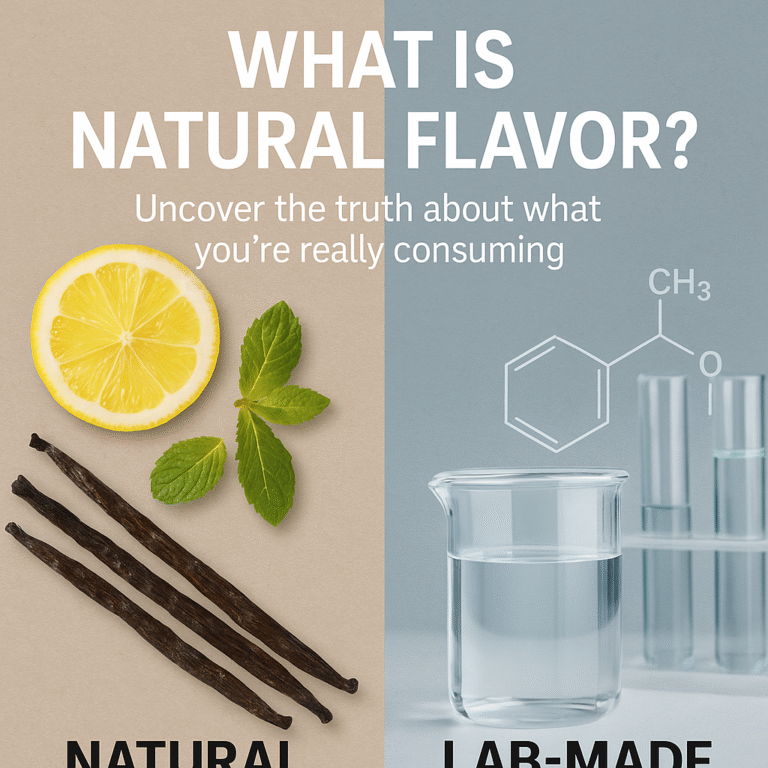
    🌿 What Is Natural Flavor? The Truth About the Term, the Comparison with Artificial Flavors, and Hidden Health Risks 🧭 Introduction: A Natural Illusion? “Natural flavor” — it sounds healthy, clean, and trustworthy. But what does it actually mean? This vague term appears on countless ingredient lists, from sparkling waters to granola bars, yet most…

  • Aroma de sésamo en polvo: realce de los sabores asiáticos en el sudeste asiático y más allá

    Unleashing the Aroma of Sesame Our Sesame Powder Flavour expertly captures the complex, toasted notes of sesame seeds, providing food manufacturers with an innovative solution to infuse their creations with the classic taste of Asian cuisine. Application in Food Manufacturing Adding Depth to a Variety of Foods Our Sesame Powder Flavour is meticulously formulated for…

  • Guía completa de notas de perfume y sus funciones: Una inmersión profunda en los cítricos, florales, amaderados y más

    🌸 Perfume Notes and Their Classification: A Comprehensive Guide to Fragrance Families Perfume is an intricate art of blending various aromatic ingredients to create a sensory experience. The key to a great fragrance lies in understanding its notes. A note refers to the different layers of scent that emerge over time as the perfume settles…

  • How Aroma Chemicals Shape Consumer Perception of Scents

    How Aroma Chemicals Shape Consumer Perception of Scents Science, strategy and practical guidance for product, marketing and R&D teams Introduction — why scent matters for brands Scent is a powerful and often under-appreciated dimension of product experience. A well-designed fragrance can lift a routine task (washing dishes, doing laundry) into a small moment of pleasure,…

Deja una respuesta