Aroma de palomitas de maíz en polvo: elevar el aroma de los aperitivos en el sudeste asiático a través de las exportaciones malasias

Unpack the Theatre Experience

Our Popcorn Powder Flavour masterfully recreates the rich, buttery essence of freshly popped popcorn, offering food manufacturers an innovative solution for adding that authentic cinema-style taste to their snacks.

Popcorn Powder Flavour

Application in Food Manufacturing

Transforming Snacks into Crowd Pleasers

Our Popcorn Powder Flavour is meticulously formulated to blend seamlessly into various snack formulations. It’s ideal for enhancing popcorn itself, as well as crackers, chips, cereal bars, and even confectionery items seeking a distinctive popcorn flavour profile. The powder delivers a consistent, high-quality popcorn taste without compromising texture or shelf stability, making it perfect for mass production.

Why Choose Our Popcorn Powder Flavour

Cinema-Style Taste Without Compromise

Our Popcorn Powder Flavour delivers the nostalgic, indulgent taste of movie theatre popcorn, resonating strongly with consumers worldwide who crave this classic treat. This attribute makes it a strategic choice for brands looking to innovate, increase consumer appeal, and capitalize on the global love affair with popcorn-flavored snacks.

Case Study: Malaysian Snack Brand Success

A renowned Malaysian snack producer recently incorporated our Popcorn Powder Flavour into their line of savory crackers. The result was a surge in popularity and sales, driven by the unique popcorn taste that set their product apart from competitors, highlighting the benefits of using our Popcorn Powder Flavour.

Global Footprint and Market Success

Taking Over Tastebuds in Malaysia

Our Popcorn Powder Flavour has made significant strides within the Southeast Asian market, particularly in Malaysia where it has been widely embraced by both local and multinational snack producers. Its widespread adoption underscores the versatility and broad appeal of our product to regional tastes and trends.

Price & Logistics Advantages

We offer our Popcorn Powder Flavour at highly competitive rates, enabling snack manufacturers to include the luxurious popcorn taste at an affordable cost. Moreover, we pride ourselves on our efficient logistics network, guaranteeing prompt and secure delivery of our Popcorn Powder Flavour to clients throughout Malaysia and other global destinations. This commitment to affordability and dependable logistics supports our partners in managing inventory effectively and responding promptly to market demands.

In conclusion, our Popcorn Powder Flavour serves as a cornerstone ingredient for snack manufacturers aiming to capture the essence of popcorn in their creations. By choosing our Popcorn Powder Flavour, businesses gain access to a superior-tasting, adaptable additive that has proven its worth in the dynamic Malaysian market, complemented by our advantageous pricing structure and reliable logistics services. Every bite of a snack enhanced with our Popcorn Powder Flavour evokes the joyous experience of enjoying a bag of popcorn, tailored perfectly for the diverse palates of Southeast Asian and Middle Eastern consumers.

Similar Posts

  • Discover the future of fragrance formulation as we explore the balance between natural and synthetic ingredients. Learn how these choices affect scent and sustainability.

    Discover the future of fragrance formulation as we explore the balance between natural and synthetic ingredients. Learn how these choices affect scent and sustainability. Fragrance formulation is an art and science. It blends natural and synthetic ingredients to create unique scents. The balance between these ingredients is crucial. It affects not only the scent but…

  • The Role of Aroma Chemicals in Household Products Manufacturing

    The Role of Aroma Chemicals in Household Products Manufacturing Introduction — scent is product experience Scent is more than decoration. In household products—laundry detergents, fabric softeners, surface cleaners, air fresheners and dishwashing liquids—fragrance is a powerful driver of perceived cleanliness, emotional response and repeat purchase. Aroma chemicals are the molecular ingredients that create those scent…

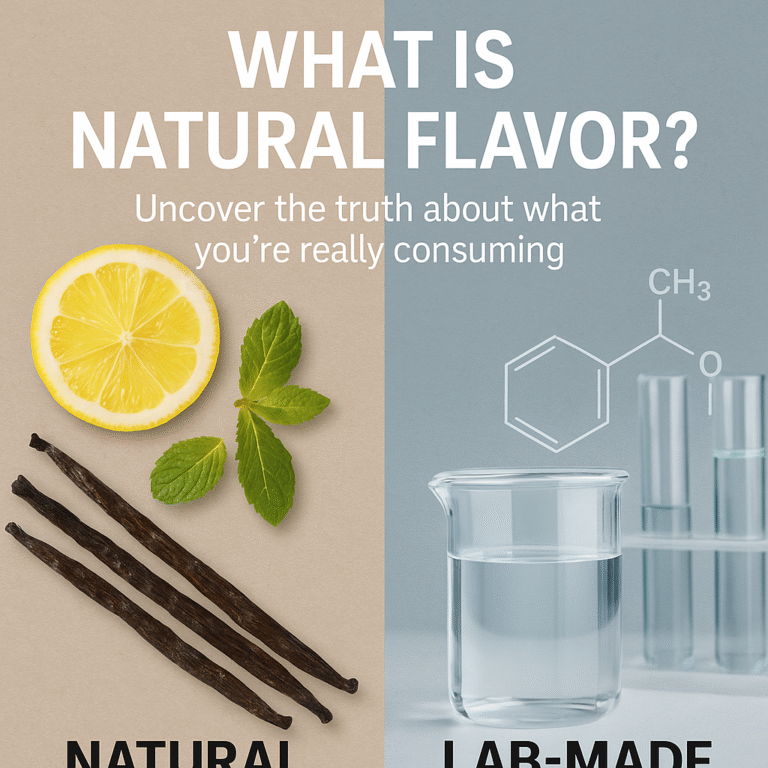
  • qué-es-el-sabor-natural-explicado

    🌿 What Is Natural Flavor? The Truth About the Term, the Comparison with Artificial Flavors, and Hidden Health Risks 🧭 Introduction: A Natural Illusion? “Natural flavor” — it sounds healthy, clean, and trustworthy. But what does it actually mean? This vague term appears on countless ingredient lists, from sparkling waters to granola bars, yet most…

  • Exploring the World of Aroma Chemicals

    Exploring the World of Aroma Chemicals Aroma chemicals are everywhere, yet often go unnoticed. They are the unsung heroes behind the scents and flavors we love. These compounds are crucial in creating fragrances and flavors in countless products. From perfumes to food, they play a vital role. Aroma chemicals can be natural or synthetic. Synthetic versions are more common due to their consistency and cost-effectiveness. The fragrance industry relies heavily on these chemicals. They ensure that scents are long-lasting and consistent across products. Flavoring agents, another type of aroma chemical, enhance the taste of food and beverages. They make our favorite treats even more enjoyable. The history of aroma chemicals is rich and fascinating. Ancient civilizations used natural extracts for scenting, laying the groundwork for modern perfumery. Today, the balance between natural and synthetic ingredients is key. This balance creates unique fragrance profiles that captivate our senses. As we explore the world of aroma chemicals, we uncover their impact on our daily lives. They shape our experiences and evoke emotions, making them indispensable.   What Are Aroma Chemicals? Aroma chemicals are specialized compounds used in creating scents and flavors. They are the building blocks of fragrance and flavor industries, essential in many products. These compounds can be derived from both natural and synthetic sources. Natural aroma compounds are extracted from plants or animal products, while synthetic ones are manufactured in labs. Synthetic aroma chemicals offer several advantages. They provide consistency, purity, and often a more cost-effective solution than their natural counterparts. Aroma chemicals are utilized in various applications. This includes perfumes, cosmetics, food products, and even cleaning supplies. They are selected based on their ability to enhance the user experience. Common uses of aroma chemicals include: Perfumes: creating distinctive and lasting scents. Food and beverages: enhancing flavors. Household products: masking odors. Cosmetics: adding pleasant fragrances. The science behind aroma chemicals is complex, involving intricate molecule interactions. This fascinating chemistry allows them to mimic natural scents effectively. A key aspect of their success lies in their ability to evoke emotions and trigger memories. This emotional connection is why aroma chemicals are so effective in marketing.   The History and Evolution of Aroma Chemicals The use of aroma chemicals can be traced back to ancient civilizations. Early societies used natural extracts for incense and personal scenting. During the Renaissance, advances in distillation improved the extraction of aromatic compounds. This period saw the rise of perfumery in Europe, laying the groundwork for modern developments. The 19th century marked a significant shift. Synthetic production techniques expanded the palette of available scents. This innovation revolutionized the industry, leading to mass-market fragrances. In the 20th century, chemistry and technology advanced further. New methods allowed for complex fragrance compositions, combining both natural and synthetic ingredients. Key milestones in aroma chemicals’ evolution include: Ancient times: Use of natural extracts. Renaissance: Improved distillation techniques. 19th century: Introduction of synthetic aroma compounds. 20th century: Complex fragrance formulations. The evolution of aroma chemicals reflects broader trends in science and technology. It has continually adapted to consumer preferences and industry demands. Today, the focus is on sustainability and innovation. Efforts are underway to create eco-friendly processes and new, sustainable aroma compounds. by Emile Mbunzama (https://unsplash.com/@emilembunzama) Natural vs. Synthetic Aroma Chemicals Aroma chemicals can be either natural or synthetic. Each type offers unique attributes and advantages in fragrance and flavor production. Natural aroma compounds are derived from plant and animal sources. Essential oils and extracts provide natural scent profiles. These compounds are often favored for their purity and aromatic qualities. Synthetic aroma chemicals, however, are created in laboratories. They replicate both familiar and novel scents. This method allows for cost-effective production and greater scent variety. Choosing between natural and synthetic aromas involves several considerations. Factors include cost, availability, scent longevity, and consumer preferences. Many products today blend both types for optimal results. Key differences between natural and synthetic aroma chemicals include: Natural: Sourced from plants and animals. Synthetic: Lab-created, often more consistent and durable. Scent Profile: Natural for purity, synthetic for variety. Cost: Natural can be pricier; synthetic is more economical. Availability: Natural sources can be limited. The balance between these two forms of aroma chemicals is crucial. It influences fragrance formulation and appeals to diverse consumer needs. Ultimately, the choice depends on the desired product attributes and market trends. Both natural and synthetic types continue to play vital roles in the industry. by Ela De Pure (https://unsplash.com/@eladepure) Key Types of Fragrance Compounds and Flavoring Agents Fragrance compounds are essential elements in perfumery and flavoring. They provide unique scent and taste profiles, enhancing product appeal. Esters are a common type of fragrance compound. They offer fruity and floral scents. Widely used in perfumes, they provide fresh, sweet aromas. Aldehydes are another vital group. They contribute to fresh and citrusy scents. Found in many household and personal care products, they bring a lively aroma. Ketones are notable for their versatility. They range from sweet to woody scents. Ketones add depth and complexity to many fragrances and flavors….

  • Synthetic vs. Natural Aroma Chemicals: Key Differences, Benefits & How to Choose

    Synthetic vs. Natural Aroma Chemicals: Key Differences, Benefits & How to Choose When formulating fragrances and flavors for perfumes, personal care, home care, or food & beverage products, one of the first strategic choices a brand or formulator must make is: use natural aroma chemicals, synthetic ones, or a blend of both? Each path has…

  • Guía completa de notas de perfume y sus funciones: Una inmersión profunda en los cítricos, florales, amaderados y más

    🌸 Perfume Notes and Their Classification: A Comprehensive Guide to Fragrance Families Perfume is an intricate art of blending various aromatic ingredients to create a sensory experience. The key to a great fragrance lies in understanding its notes. A note refers to the different layers of scent that emerge over time as the perfume settles…

Deja un comentario