¿Qué papel desempeñan los saboristas en la producción alimentaria?


🧪 What Role Do Flavorists Play in Food Production?

Powered by FY Flavor & Fragrance Manufacturing

In today’s competitive food industry, flavor can be the defining factor between a product that fails and one that becomes a household favorite. Behind the scenes, flavorists—also known as food flavor chemists—play a critical role in the creation, development, and perfection of the tastes we love.

From replicating the juicy burst of a ripe mango to engineering a new dairy-free vanilla that withstands high heat, flavorists are both artists and scientists, combining chemistry with creativity to shape modern food experiences.

👉 At FY Flavor & Fragrance, our experienced team of flavorists helps food and beverage brands develop consistent, scalable, and regulation-compliant flavors across global markets.¿Qué papel desempeñan los saboristas en la producción alimentaria?
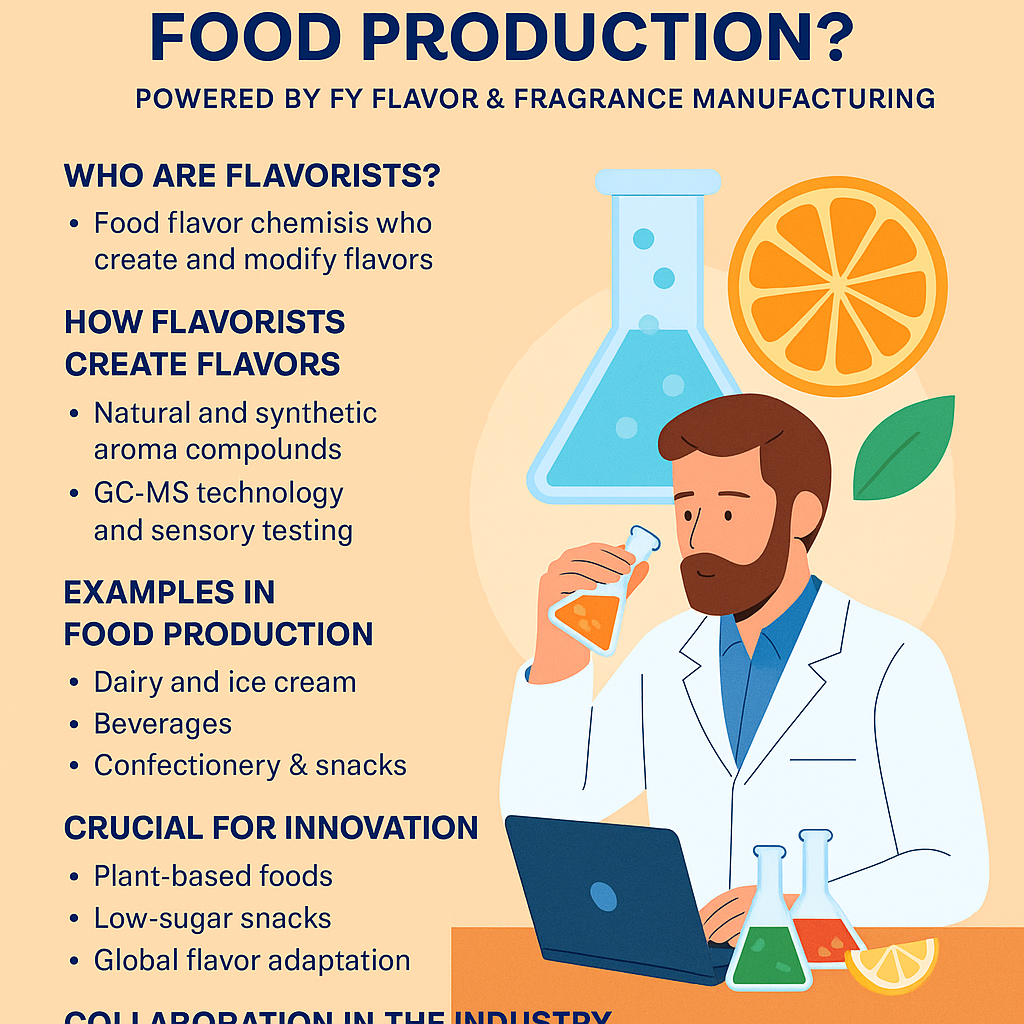

🔍 What Exactly Is a Flavorist?

A flavorist is a highly trained professional who creates and modifies flavors used in food, beverages, and even pharmaceuticals. They work with natural and synthetic aroma compounds to craft sensory profiles that mimic or enhance real ingredients.

At FY, our in-house flavorists specialize in tailoring flavor solutions to meet the evolving demands of health-conscious, cost-sensitive, and globally distributed food products—whether it’s clean-label citrus flavors for beverages or heat-stable fruit notes for dairy.


🍋 How Do Flavorists Create Flavors?

Flavor development is both a science and an art. Flavorists typically begin by identifying the target sensory profile, then blend dozens or even hundreds of volatile compounds to achieve it.

At FY Flavor & Fragrance, we employ advanced GC-MS technology and iterative sensory testing to develop high-purity flavors that maintain integrity through processes like UHT, extrusion, and freeze-thaw cycles. Our formulations are not only technically robust but also designed to meet Halal, vegan, and allergen-free standards.


🥤 Examples of Flavorists’ Work in Food Production

Flavorists contribute to virtually every aisle in the grocery store. FY has formulated flavor solutions for:

  • Dairy and ice cream: Mango, cherry, hazelnut, and condensed milk flavors that survive thermal processing.
  • Beverages: Citrus, herbal, and botanical flavors compatible with high-acid, low-sugar drinks.
  • Confectionery & snacks: Flavor layering for sweet and savory combinations in chocolate, gummies, and seasonings.

💡 FY’s signature mango dairy flavor, for example, uses synthetic citral-linalool balancing for enhanced freshness in milk-based applications.


🌱 Skills and Expertise Needed by Flavorists

Flavorists must blend technical knowledge with creativity. At FY, our training programs ensure each team member understands:

  • Advanced flavor chemistry
  • Cross-cultural flavor preferences
  • Regulatory landscapes (FDA, EU, IFRA)
  • Clean-label and functional food innovation

We invest in both junior flavorists y senior perfumers, empowering long-term formulation continuity for our B2B partners.


🚀 Why Flavorists Are Crucial for Innovation

Flavorists drive new product development and help brands stay ahead of trends. FY supports innovation in:

  • Plant-based foods: Masking undesirable notes in soy, oat, and pea proteins.
  • Low-sugar snacks: Using flavor enhancers to maintain indulgent taste.
  • Global flavor adaptation: Adjusting profiles for regional tastes, such as floral-fruity blends for Southeast Asia or bold spices for the Middle East.

Our flavor development teams often co-create with clients, offering rapid prototyping and sample turnaround within 7 working days.


🧑‍🔬 Collaboration Within the Food Industry

At FY Flavor & Fragrance, we believe collaboration leads to excellence. Our flavorists work closely with:

  • Food technologists to ensure compatibility in final formulations.
  • R&D managers to meet project deadlines and sensory targets.
  • Quality teams to ensure stability, traceability, and scale-up readiness.

Whether it’s a startup beverage line or a multinational dairy brand, our flavor creation process ensures technical reliability and consumer delight.


📈 Future Trends and Opportunities for Flavorists

FY is actively investing in:

  • AI-assisted flavor design, using predictive analytics to speed up formulation.
  • Green chemistry, reducing solvent use and prioritizing biodegradable carriers.
  • Next-gen flavor encapsulation, enhancing delivery in ready-to-eat and ready-to-drink formats.

As consumer preferences shift toward “flavor with function”, FY’s R&D continues to deliver both taste satisfaction and nutritional performance.


💬 Frequently Asked Questions (FAQs)

Q1: What education is required to become a flavorist?
Typically a degree in chemistry, food science, or biochemistry, followed by hands-on lab training.

Q2: Do flavorists only work with artificial flavors?
No. At FY, we offer both synthetic and natural-identical options to meet clean-label or performance needs.

Q3: How long does it take to develop a new flavor?
FY’s typical development timeline is 2–6 weeks, including sampling, testing, and compliance checks.

Q4: Are flavorists involved in quality control?
Yes. FY’s flavorists work with QA/QC teams to ensure consistency, batch traceability, and regulatory compliance.

Q5: What’s the difference between a flavorist and a perfumer?
Flavorists focus on edible flavor compounds; perfumers specialize in fragrances for non-edible products like perfumes or candles.


🎯 Conclusion: Why Flavorists Matter in Every Bite

Flavorists are the invisible force behind every unforgettable food moment. At FY Flavor & Fragrance, our flavorists combine chemistry, creativity, and consumer insight to help brands build iconic products—from the first taste to the lasting impression.

Whether you’re developing a new dairy beverage, a nostalgic fruit chew, or a region-specific seasoning, FY is your trusted partner for high-impact, high-performance flavors that elevate your brand and delight your consumers.


📩 Looking for tailored flavor solutions?
Contact FY Flavor & Fragrance today to collaborate with our R&D team.
Similar Posts

  • Las mejores fragancias para detergentes: Cómo elegir el aroma adecuado

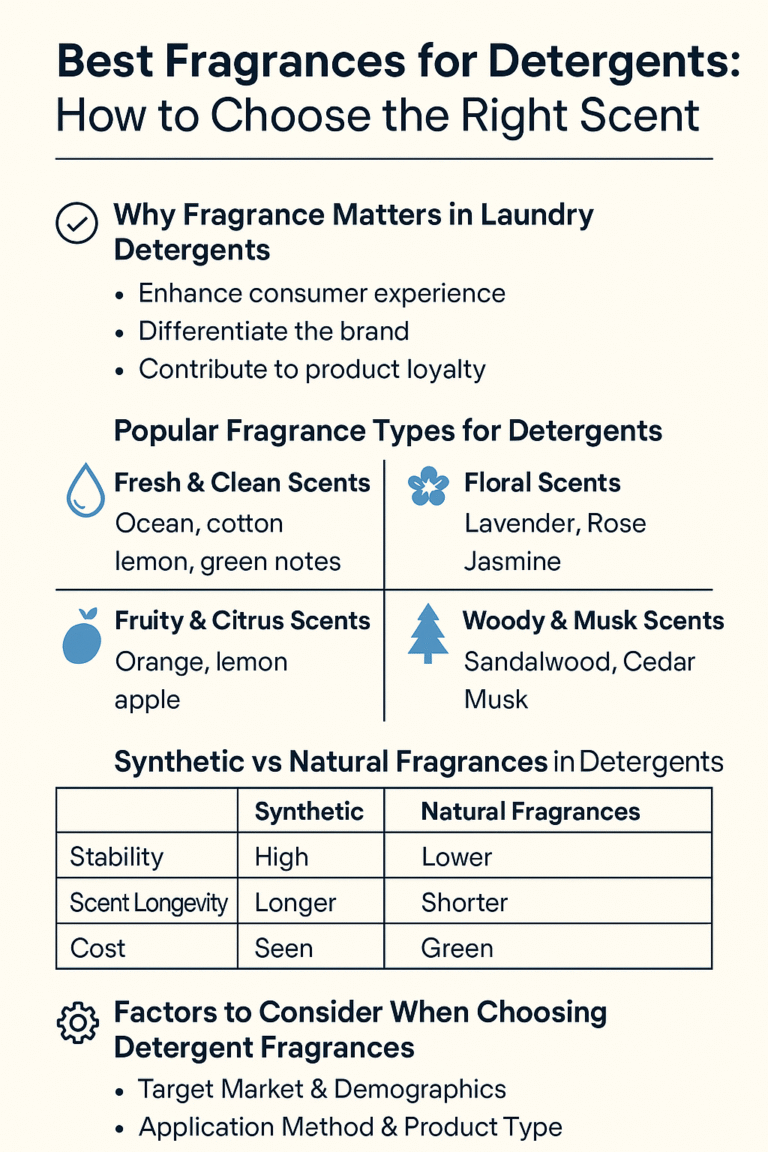
      🧺 Best Fragrances for Detergents: How to Choose the Right Scent When consumers buy laundry detergents, one factor consistently ranks among the top: fragrance. The right scent doesn’t just clean clothes—it enhances brand loyalty, evokes emotional comfort, and even shapes perceptions of cleanliness. But with so many scent options, how do formulators, brands, and…

  • La guía definitiva para un champú con fragancia duradera: Consejos y trucos

    The Ultimate Guide to Long-Lasting Shampoo Fragrance: Tips and Tricks Introduction Fragrance is an essential part of our daily grooming routines, and nothing feels as satisfying as running your fingers through soft, fragrant hair. A pleasant, long-lasting shampoo scent can not only elevate your confidence but also make you feel fresh throughout the day. Whether…

  • La ciencia de las fragancias microencapsuladas en los productos de limpieza

      🧪 The Science of Microencapsulated Fragrances in Cleaning Products How Advanced Scent Technology Delivers Long-Lasting Freshness 🔍 Introduction: Why Fragrance Longevity Matters In today’s highly competitive cleaning products market, fragrance is more than just a pleasant addition—it’s a key factor in consumer satisfaction and brand loyalty. Customers don’t just want their laundry or home…

  • Microcapsule Technology and Its Application in Laundry

    Microcapsule Technology and Its Application in Laundry 1. Fundamentals of Microencapsulation Technology 1.1 Definition of Microcapsules Microcapsules are microscopic containers (size range: 10 nm–1000 μm) that encapsulate active ingredients (core materials) within polymeric walls via physical or chemical methods. Core value propositions include: Isolation & Protection: Prevent oxidation, volatilization, or degradation of core materials (e.g.,…

  • Exploring the World of Aroma Chemicals

    Exploring the World of Aroma Chemicals Aroma chemicals are everywhere, yet often go unnoticed. They are the unsung heroes behind the scents and flavors we love. These compounds are crucial in creating fragrances and flavors in countless products. From perfumes to food, they play a vital role. Aroma chemicals can be natural or synthetic. Synthetic versions are more common due to their consistency and cost-effectiveness. The fragrance industry relies heavily on these chemicals. They ensure that scents are long-lasting and consistent across products. Flavoring agents, another type of aroma chemical, enhance the taste of food and beverages. They make our favorite treats even more enjoyable. The history of aroma chemicals is rich and fascinating. Ancient civilizations used natural extracts for scenting, laying the groundwork for modern perfumery. Today, the balance between natural and synthetic ingredients is key. This balance creates unique fragrance profiles that captivate our senses. As we explore the world of aroma chemicals, we uncover their impact on our daily lives. They shape our experiences and evoke emotions, making them indispensable.   What Are Aroma Chemicals? Aroma chemicals are specialized compounds used in creating scents and flavors. They are the building blocks of fragrance and flavor industries, essential in many products. These compounds can be derived from both natural and synthetic sources. Natural aroma compounds are extracted from plants or animal products, while synthetic ones are manufactured in labs. Synthetic aroma chemicals offer several advantages. They provide consistency, purity, and often a more cost-effective solution than their natural counterparts. Aroma chemicals are utilized in various applications. This includes perfumes, cosmetics, food products, and even cleaning supplies. They are selected based on their ability to enhance the user experience. Common uses of aroma chemicals include: Perfumes: creating distinctive and lasting scents. Food and beverages: enhancing flavors. Household products: masking odors. Cosmetics: adding pleasant fragrances. The science behind aroma chemicals is complex, involving intricate molecule interactions. This fascinating chemistry allows them to mimic natural scents effectively. A key aspect of their success lies in their ability to evoke emotions and trigger memories. This emotional connection is why aroma chemicals are so effective in marketing.   The History and Evolution of Aroma Chemicals The use of aroma chemicals can be traced back to ancient civilizations. Early societies used natural extracts for incense and personal scenting. During the Renaissance, advances in distillation improved the extraction of aromatic compounds. This period saw the rise of perfumery in Europe, laying the groundwork for modern developments. The 19th century marked a significant shift. Synthetic production techniques expanded the palette of available scents. This innovation revolutionized the industry, leading to mass-market fragrances. In the 20th century, chemistry and technology advanced further. New methods allowed for complex fragrance compositions, combining both natural and synthetic ingredients. Key milestones in aroma chemicals’ evolution include: Ancient times: Use of natural extracts. Renaissance: Improved distillation techniques. 19th century: Introduction of synthetic aroma compounds. 20th century: Complex fragrance formulations. The evolution of aroma chemicals reflects broader trends in science and technology. It has continually adapted to consumer preferences and industry demands. Today, the focus is on sustainability and innovation. Efforts are underway to create eco-friendly processes and new, sustainable aroma compounds. by Emile Mbunzama (https://unsplash.com/@emilembunzama) Natural vs. Synthetic Aroma Chemicals Aroma chemicals can be either natural or synthetic. Each type offers unique attributes and advantages in fragrance and flavor production. Natural aroma compounds are derived from plant and animal sources. Essential oils and extracts provide natural scent profiles. These compounds are often favored for their purity and aromatic qualities. Synthetic aroma chemicals, however, are created in laboratories. They replicate both familiar and novel scents. This method allows for cost-effective production and greater scent variety. Choosing between natural and synthetic aromas involves several considerations. Factors include cost, availability, scent longevity, and consumer preferences. Many products today blend both types for optimal results. Key differences between natural and synthetic aroma chemicals include: Natural: Sourced from plants and animals. Synthetic: Lab-created, often more consistent and durable. Scent Profile: Natural for purity, synthetic for variety. Cost: Natural can be pricier; synthetic is more economical. Availability: Natural sources can be limited. The balance between these two forms of aroma chemicals is crucial. It influences fragrance formulation and appeals to diverse consumer needs. Ultimately, the choice depends on the desired product attributes and market trends. Both natural and synthetic types continue to play vital roles in the industry. by Ela De Pure (https://unsplash.com/@eladepure) Key Types of Fragrance Compounds and Flavoring Agents Fragrance compounds are essential elements in perfumery and flavoring. They provide unique scent and taste profiles, enhancing product appeal. Esters are a common type of fragrance compound. They offer fruity and floral scents. Widely used in perfumes, they provide fresh, sweet aromas. Aldehydes are another vital group. They contribute to fresh and citrusy scents. Found in many household and personal care products, they bring a lively aroma. Ketones are notable for their versatility. They range from sweet to woody scents. Ketones add depth and complexity to many fragrances and flavors….

  • Exploring Global Cuisine: A Journey Through Flavour Food Traditions

    Exploring Global Cuisine: A Journey Through Flavour Food Traditions Flavour food traditions are a window into the soul of a culture. They tell stories of history, geography, and climate. Each region offers unique flavor combinations that reflect its identity.Natural food flavours come from herbs, spices, and fruits. These elements create the foundation of many global…

Deja una respuesta