Exploring the World of Aroma Chemicals

Exploring the World of Aroma Chemicals

Aroma chemicals are the unsung heroes of the fragrance world, shaping the scents we love, recognize, and remember. They form the backbone of perfumes, cosmetics, home care products, and even functional items like cleaning solutions. These compounds are both versatile and powerful, bridging the gap between science, creativity, and human emotion. Without them, the modern fragrance industry as we know it would not exist.

From natural botanical extracts to precisely engineered synthetic molecules, aroma chemicals are central to the creation of consistent, complex, and lasting scents. Their influence extends far beyond luxury perfumes—they define everyday experiences, from the freshness of laundry to the comforting scent of a favorite shampoo.


What Are Aroma Chemicals?

Aroma chemicals are compounds responsible for the distinctive odors that make up fragrances. These molecules can either be natural, extracted from plants and animals, or synthetic, created in laboratories through advanced chemical processes.

  • Natural aroma chemicals: Derived from flowers, fruits, spices, woods, and animal secretions. They offer authenticity, depth, and natural complexity.
  • Synthetic aroma chemicals: Designed to replicate or surpass natural aromas. They provide consistency, cost-efficiency, and access to scent profiles not possible in nature.

Their main purpose is to provide perfumers and product developers with a palette of olfactory building blocks. By carefully selecting and combining them, fragrance creators can craft unique and memorable scents tailored to consumer needs.

Applications include:

  • Luxury perfumes with signature scent identities
  • Cosmetics and body care products such as lotions, shampoos, and deodorants
  • Household items like candles, cleaning agents, and air fresheners
  • Food and beverage flavoring, where aroma molecules enhance taste

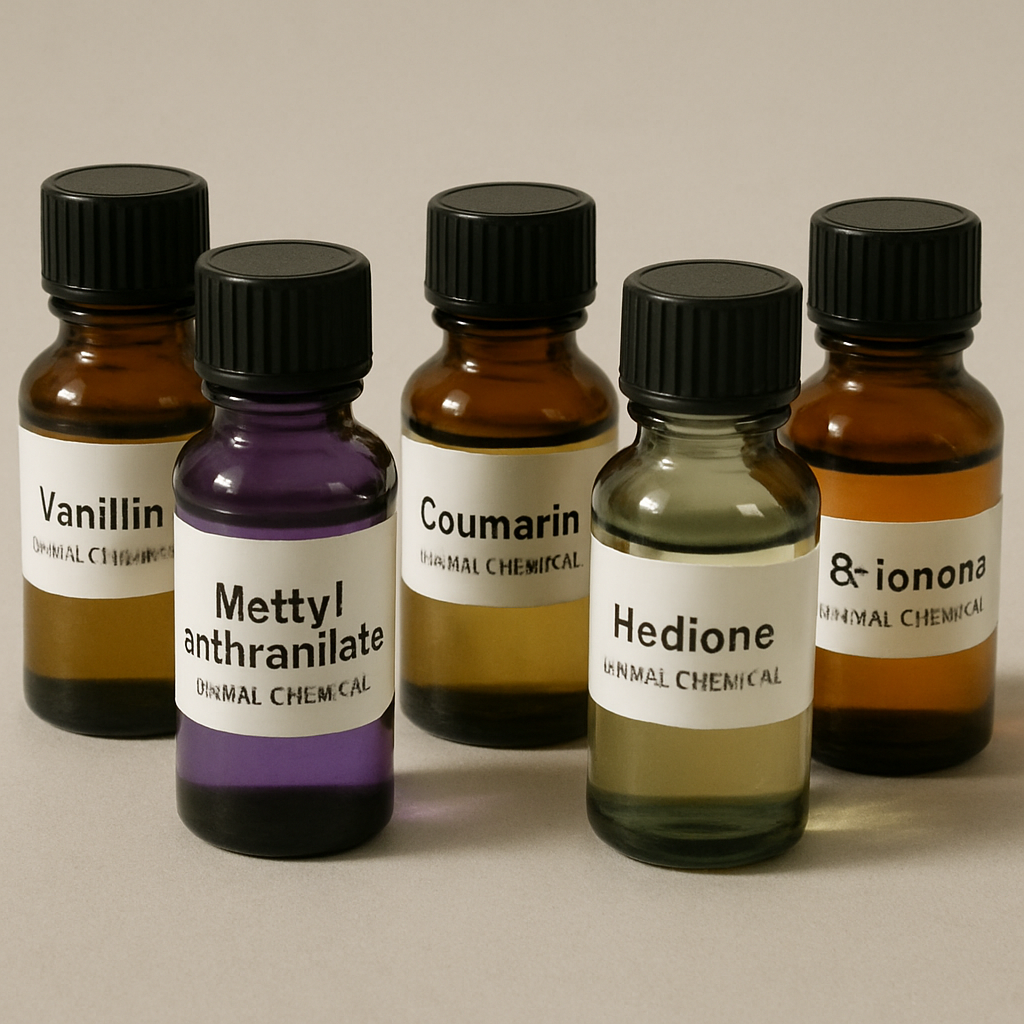
The art of choosing aroma chemicals is not just technical—it requires creativity, balance, and a deep understanding of how scents interact with human perception.Bottles of aroma chemicals with different colors and labels

The Science Behind Odor Molecules

Odor molecules are the fundamental units of fragrance perception. These microscopic compounds interact directly with olfactory receptors in the nasal cavity. Each receptor responds to specific molecular structures, and together, they create the wide spectrum of scents we recognize.

Key principles of odor molecules:

  • Variety: Small molecular differences result in entirely new aromas.
  • Interaction: Molecules bind with olfactory receptors, triggering sensory responses.
  • Perception: Slight structural variations can transform a pleasant scent into an unpleasant one.

Beyond perfumery, studying odor molecules informs scientific research in areas like sensory neuroscience, biotechnology, and environmental monitoring. Understanding these interactions is paving the way for precision-designed fragrances and innovative olfactory technologies.

Illustration showing how odor molecules interact with olfactory receptors in the nose


Natural vs. Synthetic Aroma Chemicals

The fragrance industry relies on both natural and synthetic aroma chemicals, each offering distinct benefits and challenges.

Natural Aroma Chemicals

  • Extracted from plants (flowers, fruits, woods, spices) or animals (musk, ambergris).
  • Valued for their authenticity, natural depth, and cultural heritage.
  • Challenges include high cost, environmental concerns, and limited supply.

Synthetic Aroma Chemicals

  • Produced in labs through organic chemistry and biotechnology.
  • Advantages include cost-effectiveness, stability, consistency, and expanded creativity.
  • Enable perfumers to design scents not available in nature.

Most modern fragrances combine both natural and synthetic components, balancing authenticity with stability and affordability. This hybrid approach ensures sustainability and offers consumers a greater range of olfactory experiences.

A comparison of natural and synthetic aroma chemicals with examples and key features


Key Fragrance Ingredients and Their Roles

Perfume composition is structured in layers of aroma chemicals, often referred to as the fragrance pyramid:

  • Top Notes: The first impression, often citrusy, fruity, or fresh. They are light and evaporate quickly.
  • Middle (Heart) Notes: The core of the fragrance, typically floral, spicy, or herbal. They add depth and character.
  • Base Notes: The long-lasting foundation, usually woody, musky, or sweet. They provide longevity and richness.

This layered approach allows perfumers to tell a story through scent—an evolving sensory journey that unfolds over time.
A diagram showing different layers of fragrance ingredients with examples of top, middle, and base notes


The History and Evolution of Aroma Chemicals

The use of aroma chemicals dates back to ancient civilizations, where resins, oils, and natural extracts were prized for ritual, medicinal, and personal uses. The modern fragrance industry began in the 19th century, when breakthroughs in chemistry allowed scientists to synthesize molecules like vanillin and coumarin.

This innovation revolutionized perfumery, making fragrances more affordable, diverse, and stable. It also introduced entirely new scent possibilities, shifting the craft from pure extraction to a balance of art and science.

Today, aroma chemicals continue to evolve through biotechnology, green chemistry, and digital fragrance technologies, pushing the boundaries of what is possible.
Historical timeline of aroma chemicals showing key developments over centuries


How Aroma Chemicals Are Used in Industry

The versatility of aroma chemicals makes them indispensable across multiple industries:

  1. Perfumery and Luxury Fragrance – Crafting signature scents with lasting appeal.
  2. Cosmetics and Personal Care – Adding olfactory pleasure to everyday routines.
  3. Food and Beverages – Enhancing flavors and boosting consumer enjoyment.
  4. Cleaning Products – Masking odors and providing fresh, clean impressions.
  5. Aromatherapy and Wellness – Supporting relaxation, energy, and mood.

These applications highlight their importance not only for sensory enjoyment but also for brand identity and consumer trust.
Industries utilizing aroma chemicals with labels for various sectors


The Art and Science of Perfume Composition

Perfume creation is a blend of technical expertise and artistic vision. Successful compositions require:

  • Balance between top, middle, and base notes
  • Emotional impact, ensuring the scent resonates with consumers
  • Longevity and projection, making fragrances noticeable and memorable

Perfumers act as both scientists and artists, combining knowledge of chemistry with intuition about human emotion. The result is not just a scent, but an experience that connects with memory and identity.
A diagram showing layers of a perfume composition with labeled top, middle, and base notes


Safety, Regulation, and Environmental Impact

The fragrance industry is heavily regulated to ensure consumer safety and environmental responsibility. Organizations like IFRA (International Fragrance Association) set strict standards for ingredient use.

Key safety considerations include:

  • Allergen testing and labeling
  • Compliance with international cosmetic and fragrance laws
  • Responsible sourcing of natural ingredients
  • Development of biodegradable and eco-friendly synthetics

Sustainability is increasingly shaping fragrance innovation. From reducing carbon footprints to replacing endangered natural extracts with lab-created alternatives, the industry is moving toward a greener future.

Illustration showing regulatory and safety checks on aroma chemicals with green environmental icons


Innovations and Future Trends in Aroma Chemicals

The future of aroma chemicals is being shaped by cutting-edge science and consumer demand for sustainability. Emerging trends include:

  • Biotechnology and fermentation to produce natural-identical aroma molecules without harming ecosystems.
  • Biodegradable fragrance molecules, reducing environmental impact.
  • Digital fragrance tools that allow users to personalize and design scents at home.
  • AI-assisted perfume design, where algorithms predict successful combinations.

Digital aroma synthesizers are breaking ground. They offer tailored experiences by blending scents at home.

Sustainability is at the core of future trends. Biotechnological methods reduce reliance on traditional sources.

This shift is environmentally friendly. It also expands the array of potential scents.

Creative exploration is encouraged. Perfumers experiment with once-unreachable aromas.

The landscape of aroma chemicals is changing rapidly. Future prospects are promising and exciting.
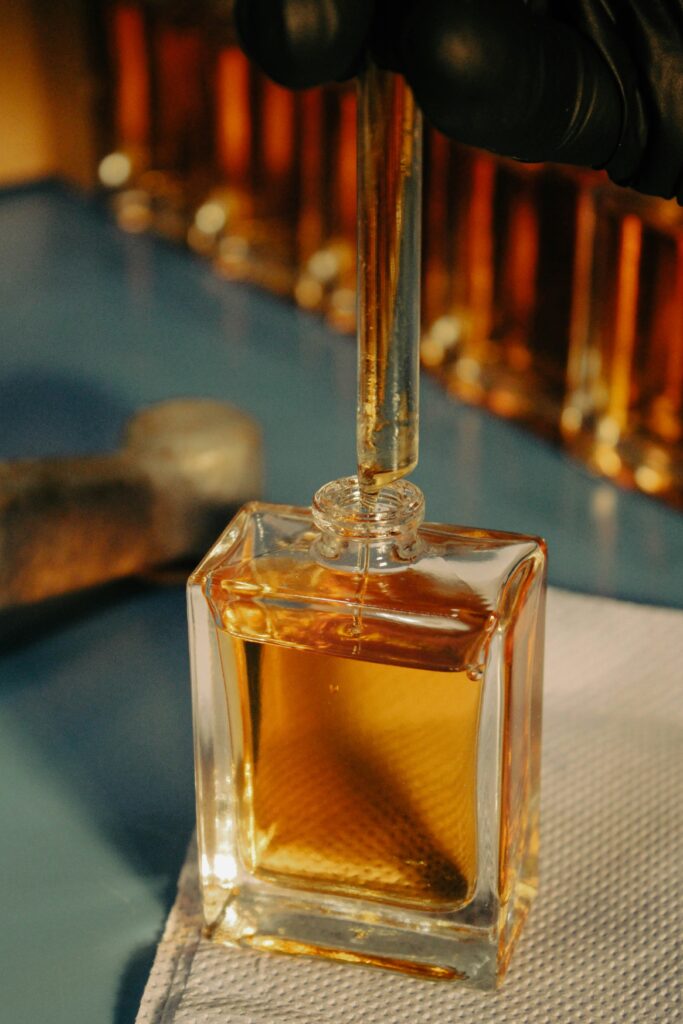
Image of scientists in a lab experimenting with aroma chemicals and plant-based ingredients


Conclusion: The Lasting Impact of Aroma Chemicals

Aroma chemicals are the foundation of fragrance creation, bridging science and artistry to shape human experiences. They influence not only luxury perfumes but also the everyday products that define our routines and memories.

As innovation accelerates, aroma chemicals will become even more sustainable, versatile, and imaginative. Their ability to evolve with cultural, environmental, and technological changes ensures they remain indispensable to the fragrance industry and beyond.

In essence, aroma chemicals are more than just invisible compounds—they are the storytellers of scent, carrying emotions, memories, and identities into the future.


Similar Posts

  • The Art and Science of Perfume Formulation: How Fragrances Are Created

    🧪 The Art and Science of Perfume Formulation: How Fragrances Are Created Perfume creation is an intriguing blend of artistry and scientific precision, bringing sensory joy and emotional resonance to everyday life. At its core, perfume formulation involves the skilled combination of aromatic materials that evoke feelings, memories, and individual expression. Understanding how fragrances are…

  • Synthetic vs. Natural Aroma Chemicals: Key Differences, Benefits & How to Choose

    Synthetic vs. Natural Aroma Chemicals: Key Differences, Benefits & How to Choose When formulating fragrances and flavors for perfumes, personal care, home care, or food & beverage products, one of the first strategic choices a brand or formulator must make is: use natural aroma chemicals, synthetic ones, or a blend of both? Each path has…

  • 7 Types of Fragrance & Flavor Production Methods Explained

    🌿 7 Types of Modern Fragrance & Flavor Production Explained In today’s fast-evolving world of flavors and fragrances, the term “natural” is no longer the only benchmark of quality. Whether it’s the soothing aroma in a luxury perfume, the fruity burst in your favorite candy, or the comforting flavor of vanilla in a dessert —…

  • How Aroma Chemicals Shape Consumer Perception of Scents

    How Aroma Chemicals Shape Consumer Perception of Scents Science, strategy and practical guidance for product, marketing and R&D teams Introduction — why scent matters for brands Scent is a powerful and often under-appreciated dimension of product experience. A well-designed fragrance can lift a routine task (washing dishes, doing laundry) into a small moment of pleasure,…

  • What’s the Difference Between Fragrance Oil and Essential Oil?

    🌿 What’s the Difference Between Fragrance Oil and Essential Oil? 🧭 Introduction: Similar Names, Different Natures If you’ve ever browsed candles, diffusers, or skincare labels, you’ve probably seen both “fragrance oil” and “essential oil.” While they may seem similar—both are aromatic oils—they’re very different in terms of origin, composition, usage, and safety. In this guide,…

  • Exploring the World of Aroma Chemicals

    Exploring the World of Aroma Chemicals Aroma chemicals are everywhere, yet often go unnoticed. They are the unsung heroes behind the scents and flavors we love. These compounds are crucial in creating fragrances and flavors in countless products. From perfumes to food, they play a vital role. Aroma chemicals can be natural or synthetic. Synthetic versions are more common due to their consistency and cost-effectiveness. The fragrance industry relies heavily on these chemicals. They ensure that scents are long-lasting and consistent across products. Flavoring agents, another type of aroma chemical, enhance the taste of food and beverages. They make our favorite treats even more enjoyable. The history of aroma chemicals is rich and fascinating. Ancient civilizations used natural extracts for scenting, laying the groundwork for modern perfumery. Today, the balance between natural and synthetic ingredients is key. This balance creates unique fragrance profiles that captivate our senses. As we explore the world of aroma chemicals, we uncover their impact on our daily lives. They shape our experiences and evoke emotions, making them indispensable.   What Are Aroma Chemicals? Aroma chemicals are specialized compounds used in creating scents and flavors. They are the building blocks of fragrance and flavor industries, essential in many products. These compounds can be derived from both natural and synthetic sources. Natural aroma compounds are extracted from plants or animal products, while synthetic ones are manufactured in labs. Synthetic aroma chemicals offer several advantages. They provide consistency, purity, and often a more cost-effective solution than their natural counterparts. Aroma chemicals are utilized in various applications. This includes perfumes, cosmetics, food products, and even cleaning supplies. They are selected based on their ability to enhance the user experience. Common uses of aroma chemicals include: Perfumes: creating distinctive and lasting scents. Food and beverages: enhancing flavors. Household products: masking odors. Cosmetics: adding pleasant fragrances. The science behind aroma chemicals is complex, involving intricate molecule interactions. This fascinating chemistry allows them to mimic natural scents effectively. A key aspect of their success lies in their ability to evoke emotions and trigger memories. This emotional connection is why aroma chemicals are so effective in marketing.   The History and Evolution of Aroma Chemicals The use of aroma chemicals can be traced back to ancient civilizations. Early societies used natural extracts for incense and personal scenting. During the Renaissance, advances in distillation improved the extraction of aromatic compounds. This period saw the rise of perfumery in Europe, laying the groundwork for modern developments. The 19th century marked a significant shift. Synthetic production techniques expanded the palette of available scents. This innovation revolutionized the industry, leading to mass-market fragrances. In the 20th century, chemistry and technology advanced further. New methods allowed for complex fragrance compositions, combining both natural and synthetic ingredients. Key milestones in aroma chemicals’ evolution include: Ancient times: Use of natural extracts. Renaissance: Improved distillation techniques. 19th century: Introduction of synthetic aroma compounds. 20th century: Complex fragrance formulations. The evolution of aroma chemicals reflects broader trends in science and technology. It has continually adapted to consumer preferences and industry demands. Today, the focus is on sustainability and innovation. Efforts are underway to create eco-friendly processes and new, sustainable aroma compounds. by Emile Mbunzama (https://unsplash.com/@emilembunzama) Natural vs. Synthetic Aroma Chemicals Aroma chemicals can be either natural or synthetic. Each type offers unique attributes and advantages in fragrance and flavor production. Natural aroma compounds are derived from plant and animal sources. Essential oils and extracts provide natural scent profiles. These compounds are often favored for their purity and aromatic qualities. Synthetic aroma chemicals, however, are created in laboratories. They replicate both familiar and novel scents. This method allows for cost-effective production and greater scent variety. Choosing between natural and synthetic aromas involves several considerations. Factors include cost, availability, scent longevity, and consumer preferences. Many products today blend both types for optimal results. Key differences between natural and synthetic aroma chemicals include: Natural: Sourced from plants and animals. Synthetic: Lab-created, often more consistent and durable. Scent Profile: Natural for purity, synthetic for variety. Cost: Natural can be pricier; synthetic is more economical. Availability: Natural sources can be limited. The balance between these two forms of aroma chemicals is crucial. It influences fragrance formulation and appeals to diverse consumer needs. Ultimately, the choice depends on the desired product attributes and market trends. Both natural and synthetic types continue to play vital roles in the industry. by Ela De Pure (https://unsplash.com/@eladepure) Key Types of Fragrance Compounds and Flavoring Agents Fragrance compounds are essential elements in perfumery and flavoring. They provide unique scent and taste profiles, enhancing product appeal. Esters are a common type of fragrance compound. They offer fruity and floral scents. Widely used in perfumes, they provide fresh, sweet aromas. Aldehydes are another vital group. They contribute to fresh and citrusy scents. Found in many household and personal care products, they bring a lively aroma. Ketones are notable for their versatility. They range from sweet to woody scents. Ketones add depth and complexity to many fragrances and flavors….

Leave a Reply