Understanding Flavor Perception: The Science Behind Taste

🧪 Understanding Flavor Perception: The Science Behind Taste

Flavor is one of the most important drivers of our food choices. It’s the reason we crave a specific dessert, prefer one brand of coffee over another, or instantly recall a childhood memory from a single bite. But what we casually call “taste” is far more complex than just what happens on the tongue.

In fact, flavor perception is a sophisticated, multi-sensory process — an interplay of taste, smell, touch, and even sound and sight, orchestrated by the brain into a single sensory experience.

At FY Flavor & Fragrance Manufacturing, understanding this science is at the heart of our flavor creation process. By combining sensory research with advanced formulation technology, we develop flavors that perform consistently and delight consumers around the world.Understanding Flavor Perception


What Is Flavor Perception?

Many people use the terms “taste” and “flavor” interchangeably, but they are not the same.

  • Taste refers strictly to the basic sensations detected by our taste buds — sweet, sour, salty, bitter, and umami.
  • Flavor, on the other hand, is the combined impression of taste, aroma, mouthfeel, and other sensory factors.

When you eat a strawberry, your tongue detects its sweetness and slight acidity. Meanwhile, aromatic compounds travel from your mouth to your nose via retronasal olfaction, allowing you to perceive the fruity, floral, or even green notes that make “strawberry” instantly recognizable.

FY’s Approach: Our flavorists consider all aspects of flavor perception, not just taste. Using advanced tools like GC-MS (Gas Chromatography–Mass Spectrometry), we analyze the volatile compounds that contribute to a flavor’s aroma profile, ensuring that our formulations mimic natural perception accurately.


The Five Basic Tastes – And Beyond

Scientific consensus recognizes five primary tastes:

  1. Sweet – Signals energy-rich nutrients like sugars. Commonly triggered by sucrose, fructose, and certain amino acids.
  2. Sour – Detects acidity, often associated with freshness or spoilage. Triggered by hydrogen ions in acidic foods.
  3. Salty – Indicates essential minerals like sodium. Triggered by sodium ions.
  4. Bitter – Alerts us to potential toxins, but also adds complexity to many foods and drinks (coffee, cocoa, kale).
  5. Umami – Describes savory richness from glutamates, found in meat, mushrooms, and fermented products.

Emerging Taste Categories:

  • Fatty taste – Linked to specific fatty acid receptors.
  • Kokumi – Described as mouthfulness or flavor-enhancing, often provided by peptides in aged cheese or fermented foods.

FY’s Innovation: We design flavors to balance these taste modalities for both indulgent and health-focused products, especially in reduced-sugar or plant-based formulations.


Smell – The Unsung Hero of Flavor

If you’ve ever had a cold and found food “tasteless,” it’s because smell accounts for up to 80% of flavor perception.

The human nose contains hundreds of olfactory receptors, each tuned to detect specific volatile molecules. When you chew food, aromas travel through the back of the throat to the olfactory epithelium — a process known as retronasal olfaction.

This is why flavorists at FY spend so much time perfecting aroma profiles. Our formulations consider both orthonasal smell (sniffing before eating) and retronasal smell (aroma during eating), ensuring a complete and satisfying sensory experience.


Other Sensory Influences on Flavor

Flavor isn’t just about taste and smell. Several other sensory factors shape our perception:

  • Texture & Mouthfeel: Creaminess, crunchiness, juiciness, viscosity.
    Example: A rich vanilla ice cream flavor feels incomplete without a creamy mouthfeel.
  • Temperature: Warm soup vs. chilled gazpacho changes flavor intensity and volatility.
  • Trigeminal Sensations: Spicy heat from chili, cooling from menthol, tingling from carbonated drinks.
  • Sound & Sight: The crunch of a chip or the color of a beverage can prime expectations before tasting.

FY’s Sensory Design: We work closely with food technologists to ensure our flavors complement the intended product texture, temperature, and even visual cues.


The Brain’s Role in Flavor Perception

Your brain is the conductor that integrates signals from taste buds, olfactory receptors, and trigeminal nerves into a unified perception of flavor.

Key influences include:

  • Memory: A certain flavor may recall a holiday or childhood treat.
  • Culture: Preferences for spicy or mild flavors vary widely between regions.
  • Expectation: Packaging and marketing can shape what consumers think they taste.

At FY, our flavor development process includes sensory panel testing to capture real-world consumer perceptions, helping brands align product flavor with target market expectations.


Individual Differences in Flavor Perception

Not everyone experiences flavor the same way. Factors include:

  • Genetics: Some people are “supertasters” with heightened bitter perception.
  • Age: Sense of smell and taste can diminish over time.
  • Health: Colds, sinus issues, or certain medications can alter flavor perception.
  • Cultural Background: Familiarity with certain flavors influences acceptance and enjoyment.

For global brands, FY adapts formulations to regional preferences — sweeter fruit flavors for some markets, more herbal or spiced profiles for others.


Applying the Science of Flavor Perception in Food Development

Sensory science is essential for successful product development. Flavorists use it to:

  • Guide Formulation: Balancing taste, aroma, and mouthfeel.
  • Optimize Performance: Ensuring stability under heat, cold, or storage conditions.
  • Enhance Healthier Products: Making reduced-sugar or plant-based foods taste indulgent.

FY’s Expertise: Our R&D teams combine sensory analysis, GC-MS data, and consumer feedback to create flavors for:

  • Beverages (citrus, herbal, botanical)
  • Dairy and non-dairy desserts
  • Savory snacks and seasonings
  • Confectionery and bakery products

Future Trends in Flavor and Sensory Science

The field is evolving rapidly:

  • AI-Assisted Flavor Creation: Predicting winning flavor profiles based on consumer data.
  • Personalized Nutrition: Flavors tailored to individual taste sensitivity.
  • Sustainable Flavor Sources: Biotechnologically produced aroma compounds.
  • Clean-Label Development: Transparent ingredient sourcing with natural-identical flavor options.

FY is investing in biotechnology and sustainable sourcing, ensuring our partners meet consumer demand for both taste and ethics.


Frequently Asked Questions (FAQ)

Q1: Is flavor more about taste or smell?
Smell plays a bigger role, often contributing up to 80% of what we perceive as flavor.

Q2: Can you train your sense of taste?
Yes. Professional tasters and flavorists undergo years of training to detect subtle differences.

Q3: How do flavorists use sensory science?
They analyze how taste, smell, and other senses interact to design balanced, appealing flavors.

Q4: Why does food taste bland when you have a cold?
A blocked nose limits retronasal olfaction, significantly reducing flavor perception.

Q5: Does FY Flavor & Fragrance work with both natural and synthetic flavors?
Yes. We create natural, synthetic, and natural-identical formulations, depending on client needs and market regulations.


Conclusion – Why Understanding Flavor Perception Matters

Flavor perception is a dynamic, multi-sensory phenomenon that blends taste, smell, texture, and psychological factors. By mastering this science, food manufacturers can create products that resonate with consumers on both a sensory and emotional level.

FY Flavor & Fragrance Manufacturing bridges the gap between sensory science and market success. Our team of expert flavorists and scientists develops flavors that are not only technically robust but also deeply satisfying to the senses.

📩 Looking to create flavors that stand out in global markets? Contact FY today and let’s craft the next flavor your consumers will love.

 

Similar Posts

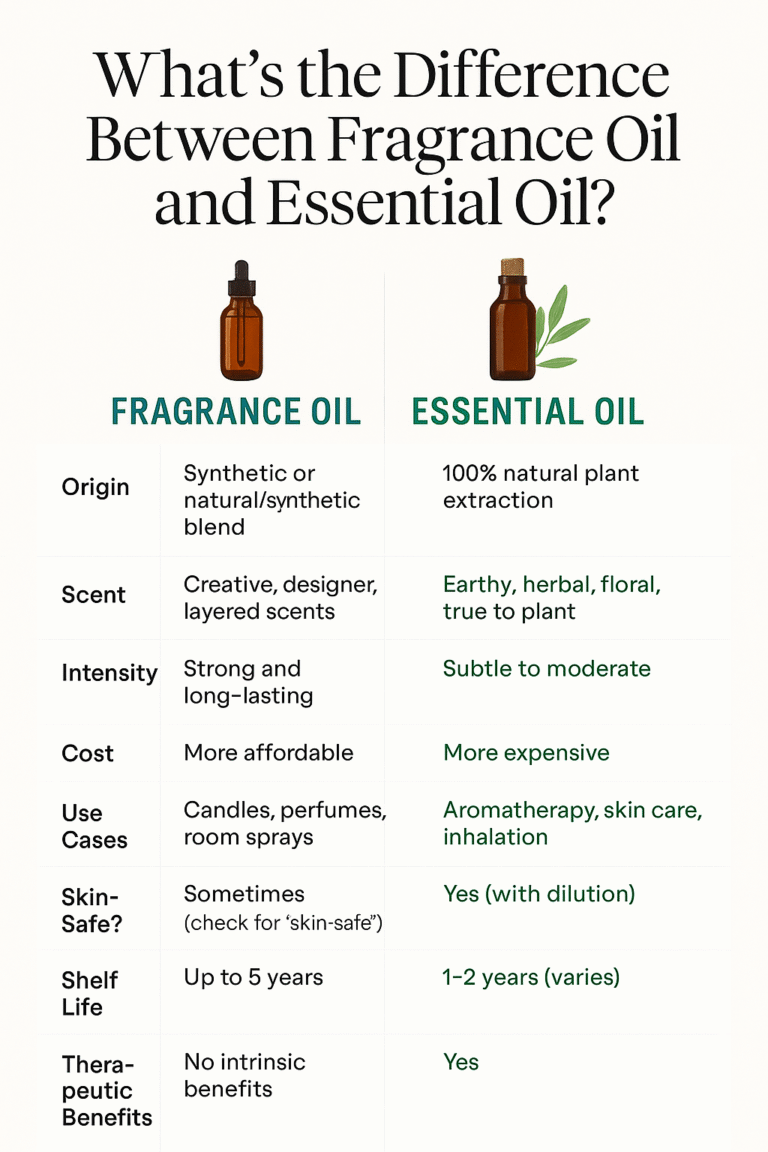
  • What’s the Difference Between Fragrance Oil and Essential Oil?

    🌿 What’s the Difference Between Fragrance Oil and Essential Oil? 🧭 Introduction: Similar Names, Different Natures If you’ve ever browsed candles, diffusers, or skincare labels, you’ve probably seen both “fragrance oil” and “essential oil.” While they may seem similar—both are aromatic oils—they’re very different in terms of origin, composition, usage, and safety. In this guide,…

  • Understanding Aroma Chemicals in the Fragrance and Flavor Industry

    Understanding Aroma Chemicals in the Fragrance and Flavor Industry What Are Aroma Chemicals? Aroma chemicals are the building blocks of fragrances, present in both natural and synthetic forms. While the word “chemical” often carries a negative connotation, it is important to recognize that everything around us — from our bodies to the food we eat…

  • Electronic Cigarette Flavors: Exploring Consumer Demand and Flavor Technology Innovation

    Electronic Cigarette Flavors: Exploring Consumer Demand and Flavor Technology Innovation Introduction The electronic cigarette (e-cigarette) industry has witnessed rapid development globally, fueled by the increasing diversification of flavor options. In this competitive landscape, flavor compounds play a crucial role in defining user experience, influencing both satisfaction and brand loyalty. This article, inspired by innovation leaders…

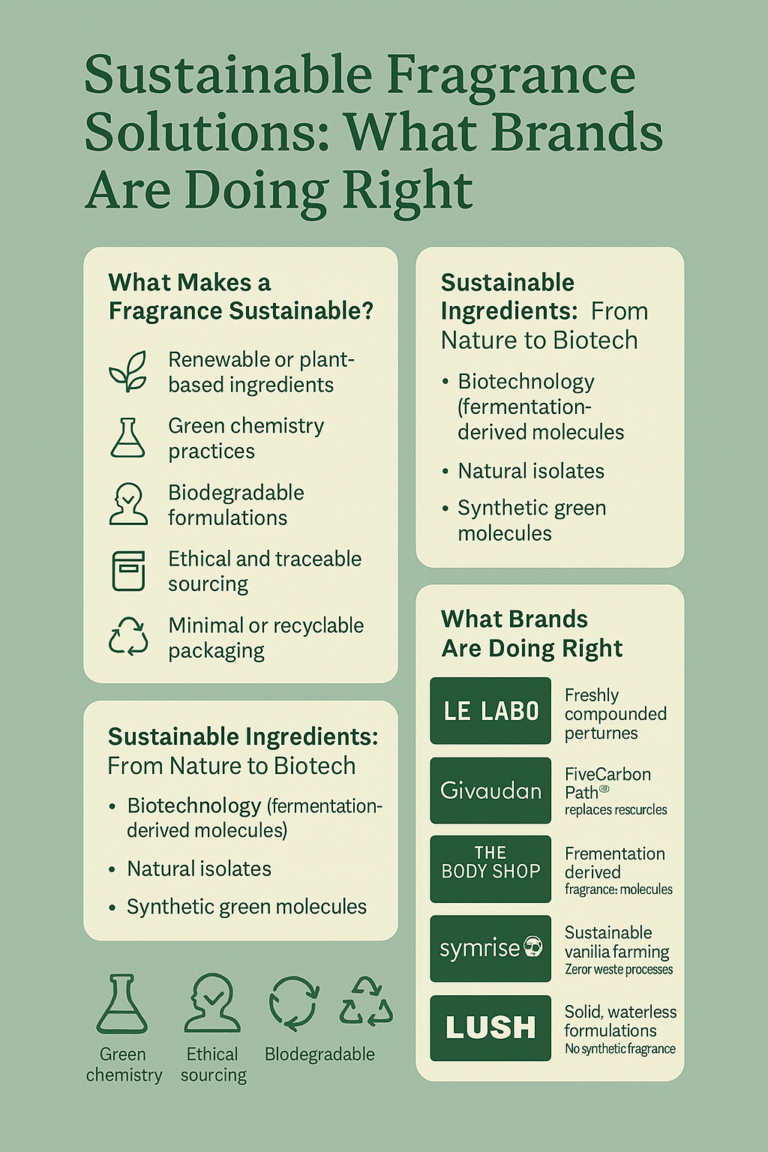
  • Sustainable Fragrance Solutions: What Brands Are Doing Right

    🌿 Sustainable Fragrance Solutions: What Brands Are Doing Right Sustainability has become a defining force in the fragrance industry. With growing environmental concerns, consumer awareness, and regulatory pressure, fragrance brands and suppliers are reimagining how scents are created—from ingredient sourcing to production, formulation, and packaging. In this article, we explore what “sustainable fragrance” actually means,…

  • Exploring the World of Aroma Chemicals

    Exploring the World of Aroma Chemicals Aroma chemicals are everywhere, yet often go unnoticed. They are the unsung heroes behind the scents and flavors we love. These compounds are crucial in creating fragrances and flavors in countless products. From perfumes to food, they play a vital role. Aroma chemicals can be natural or synthetic. Synthetic versions are more common due to their consistency and cost-effectiveness. The fragrance industry relies heavily on these chemicals. They ensure that scents are long-lasting and consistent across products. Flavoring agents, another type of aroma chemical, enhance the taste of food and beverages. They make our favorite treats even more enjoyable. The history of aroma chemicals is rich and fascinating. Ancient civilizations used natural extracts for scenting, laying the groundwork for modern perfumery. Today, the balance between natural and synthetic ingredients is key. This balance creates unique fragrance profiles that captivate our senses. As we explore the world of aroma chemicals, we uncover their impact on our daily lives. They shape our experiences and evoke emotions, making them indispensable.   What Are Aroma Chemicals? Aroma chemicals are specialized compounds used in creating scents and flavors. They are the building blocks of fragrance and flavor industries, essential in many products. These compounds can be derived from both natural and synthetic sources. Natural aroma compounds are extracted from plants or animal products, while synthetic ones are manufactured in labs. Synthetic aroma chemicals offer several advantages. They provide consistency, purity, and often a more cost-effective solution than their natural counterparts. Aroma chemicals are utilized in various applications. This includes perfumes, cosmetics, food products, and even cleaning supplies. They are selected based on their ability to enhance the user experience. Common uses of aroma chemicals include: Perfumes: creating distinctive and lasting scents. Food and beverages: enhancing flavors. Household products: masking odors. Cosmetics: adding pleasant fragrances. The science behind aroma chemicals is complex, involving intricate molecule interactions. This fascinating chemistry allows them to mimic natural scents effectively. A key aspect of their success lies in their ability to evoke emotions and trigger memories. This emotional connection is why aroma chemicals are so effective in marketing.   The History and Evolution of Aroma Chemicals The use of aroma chemicals can be traced back to ancient civilizations. Early societies used natural extracts for incense and personal scenting. During the Renaissance, advances in distillation improved the extraction of aromatic compounds. This period saw the rise of perfumery in Europe, laying the groundwork for modern developments. The 19th century marked a significant shift. Synthetic production techniques expanded the palette of available scents. This innovation revolutionized the industry, leading to mass-market fragrances. In the 20th century, chemistry and technology advanced further. New methods allowed for complex fragrance compositions, combining both natural and synthetic ingredients. Key milestones in aroma chemicals’ evolution include: Ancient times: Use of natural extracts. Renaissance: Improved distillation techniques. 19th century: Introduction of synthetic aroma compounds. 20th century: Complex fragrance formulations. The evolution of aroma chemicals reflects broader trends in science and technology. It has continually adapted to consumer preferences and industry demands. Today, the focus is on sustainability and innovation. Efforts are underway to create eco-friendly processes and new, sustainable aroma compounds. by Emile Mbunzama (https://unsplash.com/@emilembunzama) Natural vs. Synthetic Aroma Chemicals Aroma chemicals can be either natural or synthetic. Each type offers unique attributes and advantages in fragrance and flavor production. Natural aroma compounds are derived from plant and animal sources. Essential oils and extracts provide natural scent profiles. These compounds are often favored for their purity and aromatic qualities. Synthetic aroma chemicals, however, are created in laboratories. They replicate both familiar and novel scents. This method allows for cost-effective production and greater scent variety. Choosing between natural and synthetic aromas involves several considerations. Factors include cost, availability, scent longevity, and consumer preferences. Many products today blend both types for optimal results. Key differences between natural and synthetic aroma chemicals include: Natural: Sourced from plants and animals. Synthetic: Lab-created, often more consistent and durable. Scent Profile: Natural for purity, synthetic for variety. Cost: Natural can be pricier; synthetic is more economical. Availability: Natural sources can be limited. The balance between these two forms of aroma chemicals is crucial. It influences fragrance formulation and appeals to diverse consumer needs. Ultimately, the choice depends on the desired product attributes and market trends. Both natural and synthetic types continue to play vital roles in the industry. by Ela De Pure (https://unsplash.com/@eladepure) Key Types of Fragrance Compounds and Flavoring Agents Fragrance compounds are essential elements in perfumery and flavoring. They provide unique scent and taste profiles, enhancing product appeal. Esters are a common type of fragrance compound. They offer fruity and floral scents. Widely used in perfumes, they provide fresh, sweet aromas. Aldehydes are another vital group. They contribute to fresh and citrusy scents. Found in many household and personal care products, they bring a lively aroma. Ketones are notable for their versatility. They range from sweet to woody scents. Ketones add depth and complexity to many fragrances and flavors….

Maak 'n opvolg-bydrae