Global Fragrance Market: Trends, Size, Growth, Opportunities, and Forecast

Global Fragrance Market: Trends, Size, Growth, Opportunities, and Forecast

The global fragrance industry is experiencing significant growth, driven by evolving consumer preferences, technological advancements, and expanding applications across various sectors. This article provides a comprehensive overview of the current state of the fragrance market, highlighting key trends, market size, growth drivers, challenges, and future opportunities.


1. Introduction

Fragrances play a crucial role in enhancing the appeal of products in the personal care, household, and food industries. With increasing consumer awareness and demand for unique and personalized scents, the fragrance market is poised for continued expansion.


2. Market Overview

  • Market Size and Growth: According to Grand View Research, the global fragrance market was valued at USD 53.7 billion in 2023 and is projected to reach USD 80.16 billion by 2030, growing at a CAGR of 5.9% from 2023 to 2030. (Grand View Research)
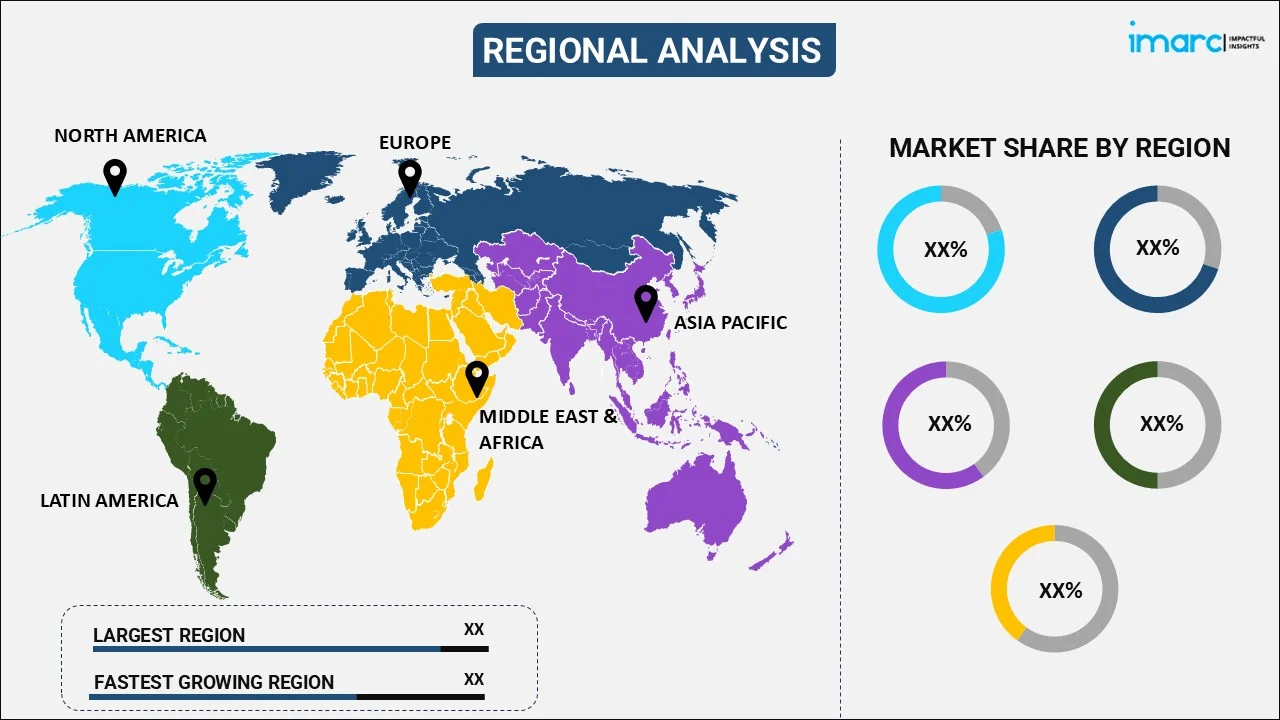
  • Regional Insights: Europe held the largest revenue share in 2023, while the Asia-Pacific region is expected to witness the fastest growth due to rising disposable incomes and changing lifestyles.Flavors and Fragrances Market by Region

3. Key Market Trends

3.1. Rise of Natural and Organic Fragrances

Consumers are increasingly seeking natural and organic products, leading to a surge in demand for fragrances derived from natural sources. This trend is prompting manufacturers to invest in sustainable sourcing and green chemistry.

3.2. Technological Innovations

Advancements in encapsulation technologies and biotechnology are enabling the development of long-lasting and more stable fragrance formulations. These innovations are enhancing product performance and consumer satisfaction.

3.3. Personalization and Customization

The growing desire for personalized experiences is driving the demand for customizable fragrances. Brands are leveraging AI and consumer data to offer tailored scent profiles, enhancing customer engagement.


4. Market Segmentation

  • By Product Type:
    • Perfumes: Dominating the market with a significant share, driven by premium product offerings.
    • Deodorants: Gaining popularity due to increased awareness of personal hygiene.
    • Others: Including body sprays, colognes, and mists.(MarketResearch.com)
  • By Application:
    • Persoonlijke Verzorging: The largest application segment, encompassing perfumes, deodorants, and body sprays.
    • Household Care: Including air fresheners and cleaning products.
    • Others: Such as food and beverages, and aromatherapy.

5. Competitive Landscape

The fragrance market is highly competitive, with key players focusing on product innovation, mergers and acquisitions, and strategic partnerships to strengthen their market position.

  • Major Companies:
    • Givaudan: A leading player known for its extensive product portfolio and global presence.
    • Firmenich: Renowned for its innovative fragrance solutions and sustainable practices.
    • International Flavors & Fragrances (IFF): Offers a wide range of fragrance products across various applications.
    • Symrise: Focuses on natural ingredients and has a strong foothold in emerging markets.

These companies are investing in research and development to create unique and high-quality fragrances that cater to diverse consumer preferences.


6. Challenges and Opportunities

6.1. Challenges

  • Regulatory Compliance: Stringent regulations regarding the use of certain ingredients can pose challenges for manufacturers.
  • Raw Material Availability: Dependence on natural resources can lead to supply chain disruptions.

6.2. Opportunities

  • Emerging Markets: Rapid urbanization and increasing disposable incomes in countries like India and China present significant growth opportunities.
  • E-commerce Expansion: The rise of online retail channels is enabling brands to reach a broader consumer base.(Grand View Research)

7. Future Outlook

The global fragrance market is set to continue its growth trajectory, driven by innovation, consumer demand for personalized products, and expansion into emerging markets. Companies that focus on sustainability, technological advancements, and understanding consumer preferences will be well-positioned to capitalize on the opportunities in this dynamic market.


References:

  1. Grand View Research. (2023). Global Perfume Market Size & Outlook, 2023-2030. Retrieved from Grand View Research
  2. Euromonitor International. (2023). Fragrances – Explore reports. Retrieved from Euromonitor
  3. Technavio. (2024). Functional Foods And Beverages Market Size 2025-2029. Retrieved from Technavio
  4. Givaudan. (2024). About Givaudan. Retrieved from Givaudan
  5. IMARC Group. (2024). Perfume Market Size, Share & Growth Analysis Report, 2033. Retrieved from IMARC Group

Note: The data presented in this article is based on the latest available information from reputable market research sources as of 2025.

Similar Posts

  • mastering-the-art-of-solubilizing-fragrances-in-shampoo-a-comprehensive-guide

    The Scent of Success: How Fragrance Fuels Detergent Companies’ Triumph Fragrance is more than just a pleasant smell; it’s a powerful tool that can shape consumer preferences, build brand identities, and ultimately drive sales. In the competitive world of laundry detergents, the right scent can elevate a product from ordinary to unforgettable. This article explores…

  • Electronic Cigarette Flavors: Exploring Consumer Demand and Flavor Technology Innovation

    Electronic Cigarette Flavors: Exploring Consumer Demand and Flavor Technology Innovation Introduction The electronic cigarette (e-cigarette) industry has witnessed rapid development globally, fueled by the increasing diversification of flavor options. In this competitive landscape, flavor compounds play a crucial role in defining user experience, influencing both satisfaction and brand loyalty. This article, inspired by innovation leaders…

  • How is the market investment situation in the fragrance industry?

    What is the outlook for the fragrance market? The flavor industry belongs to one of the fine chemical industry sub-industries, at present, Europe, the United States, and Japan have become the world’s most advanced flavor and fragrance industry centers. After more than 100 years of development, the international has formed a leading flavor product to…

  • Brown Sugar Powder Flavour: Adding Depth to Sweet Treats in Southeast Asia, with a Focus on the Philippines

    Sweetness with Substance Our Brown Sugar Powder Flavour artfully recreates the complex, caramelized taste of traditional brown sugar, providing food manufacturers with an innovative solution to infuse their creations with depth and warmth. Application in Food Manufacturing Transforming Taste Profiles Our Brown Sugar Powder Flavour is meticulously formulated to seamlessly blend into various formulations. It’s…

  • Exploring the World of Aroma Chemicals

    Exploring the World of Aroma Chemicals Aroma chemicals are everywhere, yet often go unnoticed. They are the unsung heroes behind the scents and flavors we love. These compounds are crucial in creating fragrances and flavors in countless products. From perfumes to food, they play a vital role. Aroma chemicals can be natural or synthetic. Synthetic versions are more common due to their consistency and cost-effectiveness. The fragrance industry relies heavily on these chemicals. They ensure that scents are long-lasting and consistent across products. Flavoring agents, another type of aroma chemical, enhance the taste of food and beverages. They make our favorite treats even more enjoyable. The history of aroma chemicals is rich and fascinating. Ancient civilizations used natural extracts for scenting, laying the groundwork for modern perfumery. Today, the balance between natural and synthetic ingredients is key. This balance creates unique fragrance profiles that captivate our senses. As we explore the world of aroma chemicals, we uncover their impact on our daily lives. They shape our experiences and evoke emotions, making them indispensable.   What Are Aroma Chemicals? Aroma chemicals are specialized compounds used in creating scents and flavors. They are the building blocks of fragrance and flavor industries, essential in many products. These compounds can be derived from both natural and synthetic sources. Natural aroma compounds are extracted from plants or animal products, while synthetic ones are manufactured in labs. Synthetic aroma chemicals offer several advantages. They provide consistency, purity, and often a more cost-effective solution than their natural counterparts. Aroma chemicals are utilized in various applications. This includes perfumes, cosmetics, food products, and even cleaning supplies. They are selected based on their ability to enhance the user experience. Common uses of aroma chemicals include: Perfumes: creating distinctive and lasting scents. Food and beverages: enhancing flavors. Household products: masking odors. Cosmetics: adding pleasant fragrances. The science behind aroma chemicals is complex, involving intricate molecule interactions. This fascinating chemistry allows them to mimic natural scents effectively. A key aspect of their success lies in their ability to evoke emotions and trigger memories. This emotional connection is why aroma chemicals are so effective in marketing.   The History and Evolution of Aroma Chemicals The use of aroma chemicals can be traced back to ancient civilizations. Early societies used natural extracts for incense and personal scenting. During the Renaissance, advances in distillation improved the extraction of aromatic compounds. This period saw the rise of perfumery in Europe, laying the groundwork for modern developments. The 19th century marked a significant shift. Synthetic production techniques expanded the palette of available scents. This innovation revolutionized the industry, leading to mass-market fragrances. In the 20th century, chemistry and technology advanced further. New methods allowed for complex fragrance compositions, combining both natural and synthetic ingredients. Key milestones in aroma chemicals’ evolution include: Ancient times: Use of natural extracts. Renaissance: Improved distillation techniques. 19th century: Introduction of synthetic aroma compounds. 20th century: Complex fragrance formulations. The evolution of aroma chemicals reflects broader trends in science and technology. It has continually adapted to consumer preferences and industry demands. Today, the focus is on sustainability and innovation. Efforts are underway to create eco-friendly processes and new, sustainable aroma compounds. by Emile Mbunzama (https://unsplash.com/@emilembunzama) Natural vs. Synthetic Aroma Chemicals Aroma chemicals can be either natural or synthetic. Each type offers unique attributes and advantages in fragrance and flavor production. Natural aroma compounds are derived from plant and animal sources. Essential oils and extracts provide natural scent profiles. These compounds are often favored for their purity and aromatic qualities. Synthetic aroma chemicals, however, are created in laboratories. They replicate both familiar and novel scents. This method allows for cost-effective production and greater scent variety. Choosing between natural and synthetic aromas involves several considerations. Factors include cost, availability, scent longevity, and consumer preferences. Many products today blend both types for optimal results. Key differences between natural and synthetic aroma chemicals include: Natural: Sourced from plants and animals. Synthetic: Lab-created, often more consistent and durable. Scent Profile: Natural for purity, synthetic for variety. Cost: Natural can be pricier; synthetic is more economical. Availability: Natural sources can be limited. The balance between these two forms of aroma chemicals is crucial. It influences fragrance formulation and appeals to diverse consumer needs. Ultimately, the choice depends on the desired product attributes and market trends. Both natural and synthetic types continue to play vital roles in the industry. by Ela De Pure (https://unsplash.com/@eladepure) Key Types of Fragrance Compounds and Flavoring Agents Fragrance compounds are essential elements in perfumery and flavoring. They provide unique scent and taste profiles, enhancing product appeal. Esters are a common type of fragrance compound. They offer fruity and floral scents. Widely used in perfumes, they provide fresh, sweet aromas. Aldehydes are another vital group. They contribute to fresh and citrusy scents. Found in many household and personal care products, they bring a lively aroma. Ketones are notable for their versatility. They range from sweet to woody scents. Ketones add depth and complexity to many fragrances and flavors….

  • Custom Flavor Development & Innovative Flavor Pairing | FY Flavors

    Mastering Flavor Pairing and Custom Flavor Development with FY Flavors & Fragrances Crafting Tailored Taste Experiences for Product Differentiation and Market Success Introduction: The Power of Flavor Pairing and Customization In today’s saturated consumer goods market, flavor has become more than just a sensory element — it’s a strategic asset. From beverage brands seeking a…

Maak 'n opvolg-bydrae