什么是天然风味解释

什么是天然风味解释

🌿 What Is Natural Flavor? The Truth About the Term, the Comparison with Artificial Flavors, and Hidden Health Risks什么是天然风味解释

🧭 Introduction: A Natural Illusion?

“Natural flavor” — it sounds healthy, clean, and trustworthy. But what does it actually mean?

This vague term appears on countless ingredient lists, from sparkling waters to granola bars, yet most consumers have no idea what’s behind it. In this article, we’ll demystify natural flavor, compare it with artificial flavoring, explore potential health concerns, and help you make more informed decisions about what goes into your food.


🍊 1. What Is a Natural Flavor?

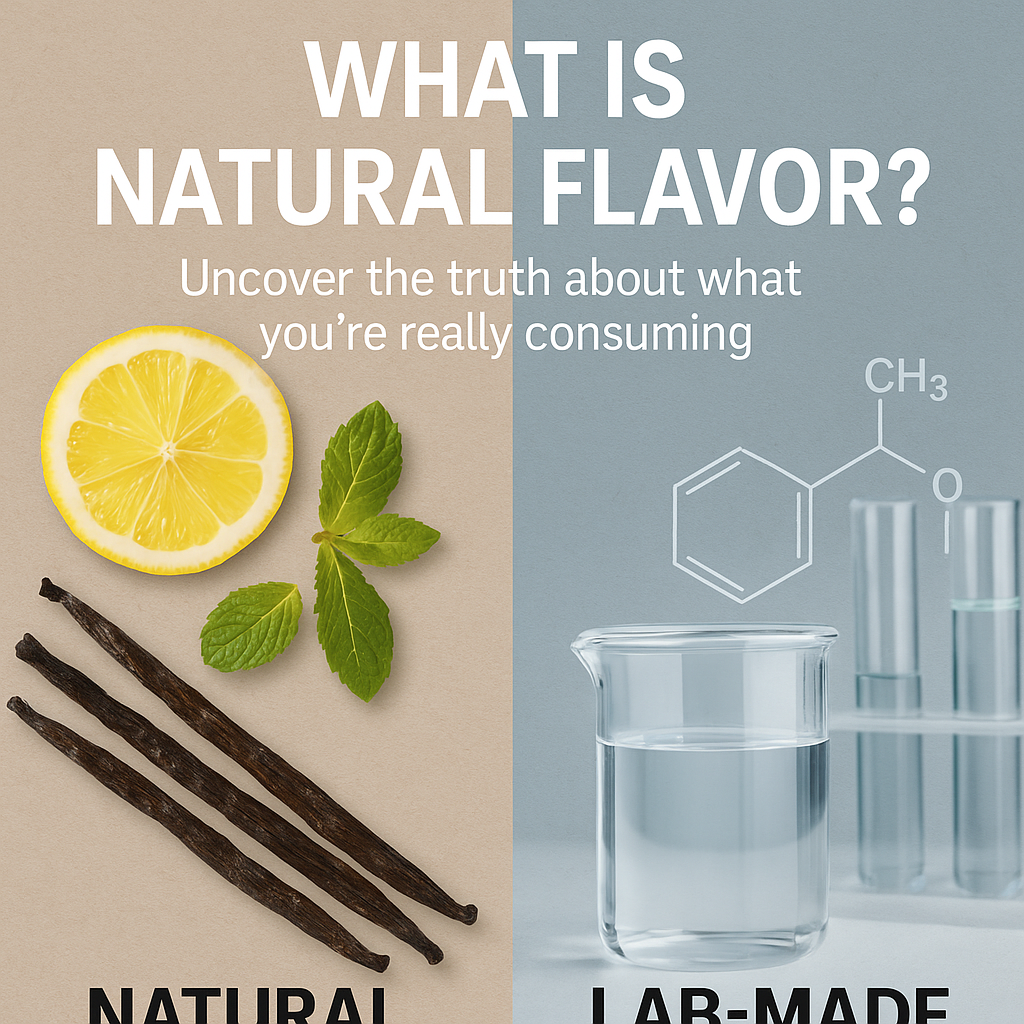
According to the U.S. Food and Drug Administration (FDA), a natural flavor is any flavoring substance derived from plant or animal sources, including fruits, vegetables, herbs, spices, meat, seafood, dairy, or fermentation. It must be processed using physical, enzymatic, or microbial means to extract or refine flavor.

However, the term “natural” in this context doesn’t necessarily mean the product is:

  • Unprocessed
  • Additive-free
  • Better for health

In fact, the final flavoring compound may have gone through extensive chemical modification, and may include solvents, preservatives, or carriers not listed on the packaging.

Common Sources of Natural Flavors:

Type Example Ingredients
Plant-based Citrus peel, vanilla bean, mint
Animal-based Beef extract, dairy-derived flavor molecules
Microbial Fermentation-derived vanillin from rice bran

⚖️ 2. Natural vs Artificial Flavors: What’s the Real Difference?

The core distinction lies not in the chemical structure, but in the source of the ingredients:

属性 Natural Flavors Artificial Flavors
资料来源 Derived from real plant or animal materials Synthesized from non-natural sources
Molecular Identity Often identical to natural compounds Can also be identical
Label Transparency Often vague (“natural flavors”) Clearly labeled (“artificial flavors”)
Manufacturing Process Can include chemical treatment Synthesized in labs
Cost & Stability Expensive, may vary by harvest Cheap, highly stable
Sustainability Impact Risk of overharvesting natural sources More controlled and scalable

Fun Fact: Most “vanilla flavor” in processed foods is made from 合成香兰素 — even if it’s labeled “natural” due to fermentation-based extraction.


⚠️ 3. Are Natural Flavors Actually Healthy?

Many consumers assume “natural” equals healthy — but natural flavors can carry hidden risks.

❗ Health Concerns:

  1. Ingredient Opacity: Manufacturers aren’t required to disclose the actual substances used to create “natural flavors.” You don’t know exactly what you’re consuming.
  2. Allergenic Potential: Natural flavors can contain milk, soy, gluten, or other allergens — but these may not be clearly labeled.
  3. Vegan & Halal Concerns: “Natural” flavorings can be animal-derived, making them unsuitable for vegetarians, vegans, or religious dietary laws.
  4. Overconsumption Risk: Flavorings can enhance palatability, potentially encouraging overconsumption of ultra-processed foods.

📊 Relevant Statistic:

A 2020 report by Environmental Health Perspectives found that over 80% of packaged foods in the U.S. contain either natural or artificial flavors — yet less than 20% disclose full ingredient origins.


🏷️ 4. Labeling & Regulatory Loopholes

Under FDA rules, companies can list complex mixtures of flavor compounds simply as “natural flavors” — even if those mixtures include dozens of ingredients, some of which may not be widely recognized or safe in large quantities.

U.S. vs EU Labeling:

Region Rules on “Natural Flavor”
USA Broad definition; full composition disclosure not required
EU (EFSA) Stricter guidelines; some transparency requirements on origin and treatment

This regulatory gray area creates confusion, often allowing “natural” to become a marketing tool rather than a guarantee of purity or safety.


✅ 5. How to Choose: Smart Tips for Consumers and Brands

For Consumers:

  • 🕵️‍♂️ Read beyond the label — look for brands that disclose full ingredient lists or flavor origins.
  • 🌱 Prefer whole foods — natural flavors are often found in ultra-processed products.
  • Avoid vague claims like “natural flavors” in isolation without source explanation.
  • 📲 Use barcode scanners or food transparency apps to learn more about ingredients.

For Manufacturers:

  • 📦 Consider using “clean label” alternatives with fully traceable components.
  • 🔍 Work with flavor houses that provide allergen-free, vegan-certified options.
  • 🛡️ Communicate clearly with consumers to build brand trust.

📌 Conclusion: Natural Doesn’t Always Mean Better

“Natural flavor” is a legal — but often misleading — term. While it may originate from a plant or animal, the end product is often far from what most would consider “natural.”

By understanding the differences between natural and artificial flavors, recognizing the health implications, and demanding greater transparency, consumers and brands alike can make smarter, safer, and more ethical choices.


 

类似文章

  • Exploring the World of Aroma Chemicals

    Exploring the World of Aroma Chemicals Aroma chemicals are everywhere, yet often go unnoticed. They are the unsung heroes behind the scents and flavors we love. These compounds are crucial in creating fragrances and flavors in countless products. From perfumes to food, they play a vital role. Aroma chemicals can be natural or synthetic. Synthetic versions are more common due to their consistency and cost-effectiveness. The fragrance industry relies heavily on these chemicals. They ensure that scents are long-lasting and consistent across products. Flavoring agents, another type of aroma chemical, enhance the taste of food and beverages. They make our favorite treats even more enjoyable. The history of aroma chemicals is rich and fascinating. Ancient civilizations used natural extracts for scenting, laying the groundwork for modern perfumery. Today, the balance between natural and synthetic ingredients is key. This balance creates unique fragrance profiles that captivate our senses. As we explore the world of aroma chemicals, we uncover their impact on our daily lives. They shape our experiences and evoke emotions, making them indispensable.   What Are Aroma Chemicals? Aroma chemicals are specialized compounds used in creating scents and flavors. They are the building blocks of fragrance and flavor industries, essential in many products. These compounds can be derived from both natural and synthetic sources. Natural aroma compounds are extracted from plants or animal products, while synthetic ones are manufactured in labs. Synthetic aroma chemicals offer several advantages. They provide consistency, purity, and often a more cost-effective solution than their natural counterparts. Aroma chemicals are utilized in various applications. This includes perfumes, cosmetics, food products, and even cleaning supplies. They are selected based on their ability to enhance the user experience. Common uses of aroma chemicals include: Perfumes: creating distinctive and lasting scents. Food and beverages: enhancing flavors. Household products: masking odors. Cosmetics: adding pleasant fragrances. The science behind aroma chemicals is complex, involving intricate molecule interactions. This fascinating chemistry allows them to mimic natural scents effectively. A key aspect of their success lies in their ability to evoke emotions and trigger memories. This emotional connection is why aroma chemicals are so effective in marketing.   The History and Evolution of Aroma Chemicals The use of aroma chemicals can be traced back to ancient civilizations. Early societies used natural extracts for incense and personal scenting. During the Renaissance, advances in distillation improved the extraction of aromatic compounds. This period saw the rise of perfumery in Europe, laying the groundwork for modern developments. The 19th century marked a significant shift. Synthetic production techniques expanded the palette of available scents. This innovation revolutionized the industry, leading to mass-market fragrances. In the 20th century, chemistry and technology advanced further. New methods allowed for complex fragrance compositions, combining both natural and synthetic ingredients. Key milestones in aroma chemicals’ evolution include: Ancient times: Use of natural extracts. Renaissance: Improved distillation techniques. 19th century: Introduction of synthetic aroma compounds. 20th century: Complex fragrance formulations. The evolution of aroma chemicals reflects broader trends in science and technology. It has continually adapted to consumer preferences and industry demands. Today, the focus is on sustainability and innovation. Efforts are underway to create eco-friendly processes and new, sustainable aroma compounds. by Emile Mbunzama (https://unsplash.com/@emilembunzama) Natural vs. Synthetic Aroma Chemicals Aroma chemicals can be either natural or synthetic. Each type offers unique attributes and advantages in fragrance and flavor production. Natural aroma compounds are derived from plant and animal sources. Essential oils and extracts provide natural scent profiles. These compounds are often favored for their purity and aromatic qualities. Synthetic aroma chemicals, however, are created in laboratories. They replicate both familiar and novel scents. This method allows for cost-effective production and greater scent variety. Choosing between natural and synthetic aromas involves several considerations. Factors include cost, availability, scent longevity, and consumer preferences. Many products today blend both types for optimal results. Key differences between natural and synthetic aroma chemicals include: Natural: Sourced from plants and animals. Synthetic: Lab-created, often more consistent and durable. Scent Profile: Natural for purity, synthetic for variety. Cost: Natural can be pricier; synthetic is more economical. Availability: Natural sources can be limited. The balance between these two forms of aroma chemicals is crucial. It influences fragrance formulation and appeals to diverse consumer needs. Ultimately, the choice depends on the desired product attributes and market trends. Both natural and synthetic types continue to play vital roles in the industry. by Ela De Pure (https://unsplash.com/@eladepure) Key Types of Fragrance Compounds and Flavoring Agents Fragrance compounds are essential elements in perfumery and flavoring. They provide unique scent and taste profiles, enhancing product appeal. Esters are a common type of fragrance compound. They offer fruity and floral scents. Widely used in perfumes, they provide fresh, sweet aromas. Aldehydes are another vital group. They contribute to fresh and citrusy scents. Found in many household and personal care products, they bring a lively aroma. Ketones are notable for their versatility. They range from sweet to woody scents. Ketones add depth and complexity to many fragrances and flavors….

  • 黑糖粉风味:为东南亚甜点增添深度,聚焦菲律宾

    Sweetness with Substance Our Brown Sugar Powder Flavour artfully recreates the complex, caramelized taste of traditional brown sugar, providing food manufacturers with an innovative solution to infuse their creations with depth and warmth. Application in Food Manufacturing Transforming Taste Profiles Our Brown Sugar Powder Flavour is meticulously formulated to seamlessly blend into various formulations. It’s…

  • The Versatility and Application of Orange Flavoring Across Industries

    The Versatility and Application of Orange Flavoring Across Industries 1. Introduction Orange flavoring has become a cornerstone in food, beverage, and wellness formulations due to its vibrant, sweet-tangy citrus profile. From classic sodas to gourmet desserts and modern CBD tinctures, orange flavoring delivers a refreshing taste that resonates globally. As both natural and synthetic flavor…

  • 可持续香氛解决方案:品牌的正确做法

    🌿 Sustainable Fragrance Solutions: What Brands Are Doing Right Sustainability has become a defining force in the fragrance industry. With growing environmental concerns, consumer awareness, and regulatory pressure, fragrance brands and suppliers are reimagining how scents are created—from ingredient sourcing to production, formulation, and packaging. In this article, we explore what “sustainable fragrance” actually means,…

  • 如何选择完美的香水油?详细指南

    Choosing the right perfume oil can be a transformative experience, infusing everyday moments with delight and setting the tone for your personal scent journey. With their concentrated essence and longer-lasting fragrance, perfume oils are becoming a popular choice among fragrance enthusiasts. In this guide, we’ll explore how to select the best perfume oil that suits…

  • 香料化学科学:您需要了解的知识

    The Science of Flavor Chemistry: What You Need to Know (with FY’s practical experience embedded) One-sentence quick read: Flavor chemistry studies the chemical basis of aroma + taste + mouthfeel, and applies natural and/or synthetic flavor molecules to meet targeted product goals—striking the best balance among stability, reproducibility, cost, and compliance. As a flavor and…

发表回复