影响 2025 年的十大香水趋势 | FY Flavors & Frarances

影响 2025 年的十大香水趋势

文化、科学和可持续发展是如何改写香味规则的?香水趋势
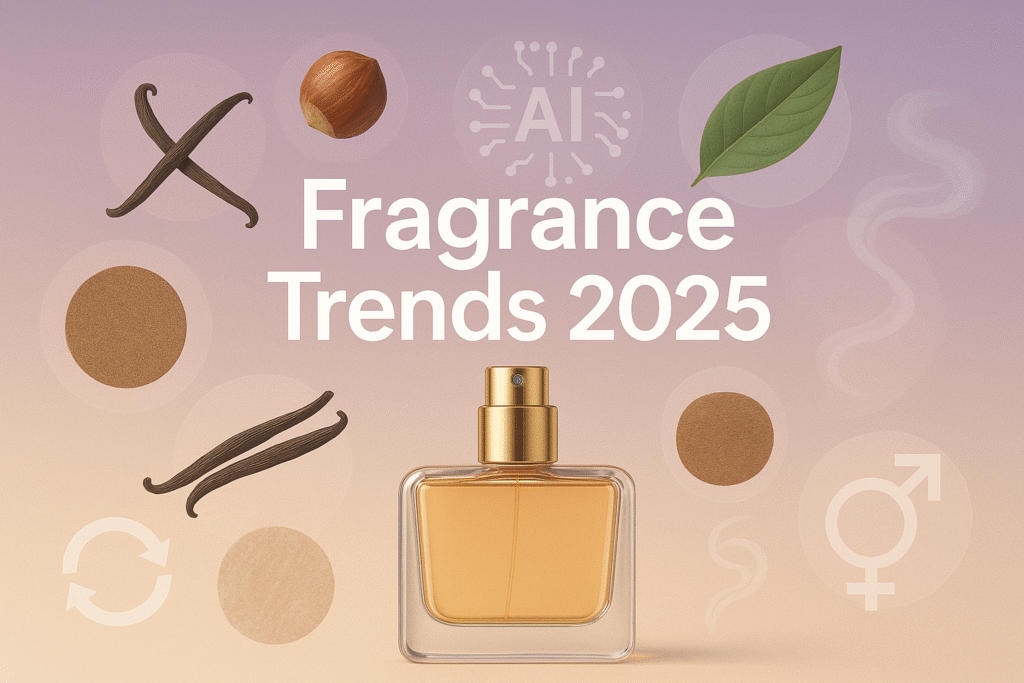

1.Neo Gourmand 2.0 - 甜点变得精致

经典的纸杯蛋糕甜味已不复存在;您可以考虑榛子果仁糖烤榛子,配以藏红花,或黑芝麻焦糖咸味。预计 "饕餮香水 "的搜索兴趣将大幅上升 2025 年 +33.9 % 而编辑们则把 "精致美食家 "作为本季的主角。(Byrdie, 福布斯)
FY 角度: 将乳酸牛奶与褐色黄油麦芽酚或咸味味噌面混合,既能赢得成人的味觉,又不会让糖分过高。


2.香草麂皮绒和舒适木

Febreze加冕 香草麂皮绒 其年度香氛:熏香草、桃花心木和金色琥珀的混合体,标志着 "舒适香调 "正在从家庭护理香氛向高级香氛扩展。(febreze.com, 快乐)
FY 角度: 将生物技术香兰素与微量烟熏愈创木酚搭配用于空气护理产品,或与开司米香搭配用于面向高档舒适市场的织物柔顺剂。


3.促进情绪健康的功能性香料

"穿出你的心情 "是新的着装准则。功能性组合承诺平静(雪松-薰衣草)、专注(鼠尾草-薄荷)或活力(柑橘-生姜),在生活方式媒体综述中占据主导地位。(大都会, 释放自己)
FY 角度: 利用洗衣珠中的微胶囊芳香疗法混合物,每次洗衣都能释放出舒缓压力的芳香。


4.茶色调与葱郁植物

绿茶、冰抹茶和露珠草本植物的香气让过热的香水市场焕然一新。Reddit 和 TikTok 上的社区讨论证实,茶香 "已经在崛起"。(Byrdie, Reddit)
FY 角度: 将石膏醛与黄瓜醛混合,可制成即溶饮料口味或 "水疗清洁 "空气清新剂喷雾。


5.人工智能驱动的超个性化香水

来自 嗅觉智能 从设计新型分子的算法,到预测下周病毒性新闻的 TikTok 数据挖掘,科技正在打破 "一刀切 "的时代。(Marie Claire UK, 巴黎化妆, Osmo 的世代)
FY 角度: 将 FY 的 GC-MS 库输入生成模型,可在数小时内自动制作出符合客户品牌 DNA 的香氛原型。


6.升级再造和生物技术的可持续性

实验室培育的麝香、发酵的玫瑰酮和从果汁厂回收的柑橘皮正在成为餐桌上的佳肴;SIMPPAR 2025 将循环供应链作为 #1 成分趋势。(时尚阿拉伯, 香水调配师, 小历史)
FY 角度: 在产品介绍中突出 FY 通过白色生物技术生产的无乙醇、碳中性檀香内酯。


7.无性别 "皮肤香味 "与极简主义

现在,女性果汁可以 ≈40 % 溢价销售额它融合了柔和的木香、纯净的麝香和透明的花香,与其说是 "香水",不如说是 "你"。(onscent.com, Lèlior)
FY 角度: 针对 Z 世代的包容心态,为身体护理产品系列开发低扩散、富含 ISO-E-Super 的基质。


8.Maximalist Virality & #PerfumeTok

在另一个极端,OTT 强国--野兽模式的 Ouds、醉人的樱桃--在 TikTok 上爆发,推动了几天内的售罄。出版商将社交数据作为 2025 年发布的主要创意简介。(Osmo 的世代, 香水调配师, Refinery29)
FY 角度: 与影响者播种协调发布,然后在 AdSense CPM 达到峰值的展示广告中重新定位病毒性 SKU。


9.多位置分层和发香

消费者将香氛喷雾喷洒在头发和织物上,以获得更持久的香味;谷歌搜索 "头发香水 "的次数激增,同时还出现了专门的低酒精配方。(太阳报)
FY 角度: 提供不含有机硅、与季化合物兼容的香料基质,在调理头发的同时还能散发香味。


10.沉香、苔藓与 "中世纪现代 "怀旧情绪

泥土的熏香、苔藓的熏香和烛光教堂的氛围满足了人们对接地仪式的渴望。网上论坛预测,紫罗兰、可可脂和李子将成为这种氛围的主要配饰。(Reddit, 嘉人)
FY 角度: 使用可持续的橡树苔替代品制作熏香/琥珀香料,用于蜡烛和扩香器系列,旨在打造 "慢生活 "美学。


FY 如何利用

行动 时间表 预期影响
推出 Neo Gourmand 样品套装(4 种香调) Q3 2025 捕捉糖果和小众香水客户的研发需求
试点人工智能辅助共同创造门户网站 Q4 2025 从概念到提交的周期缩短 40 %
将 30 % 的调色板改用生物技术/可循环原料 2026 加强 ESG 投资;支持溢价定价

号召行动

需要适合潮流的定制香味或口味? 联系 FY 创新团队 进行免费创意,或索取我们的 "2025 - 2026 年趋势图 "PDF 文件。
类似文章

  • 精油与香料化合物之间的关系:完全指南

    The Relationship Between Essential Oils and Fragrance Compounds: A Complete Guide Quick Summary: Essential oils are natural volatile extracts from plants that offer a sense of authenticity and complexity. Fragrance compounds (commonly referred to as fragrances or flavors), on the other hand, are carefully crafted blends of natural and/or synthetic ingredients designed for consistency, stability,…

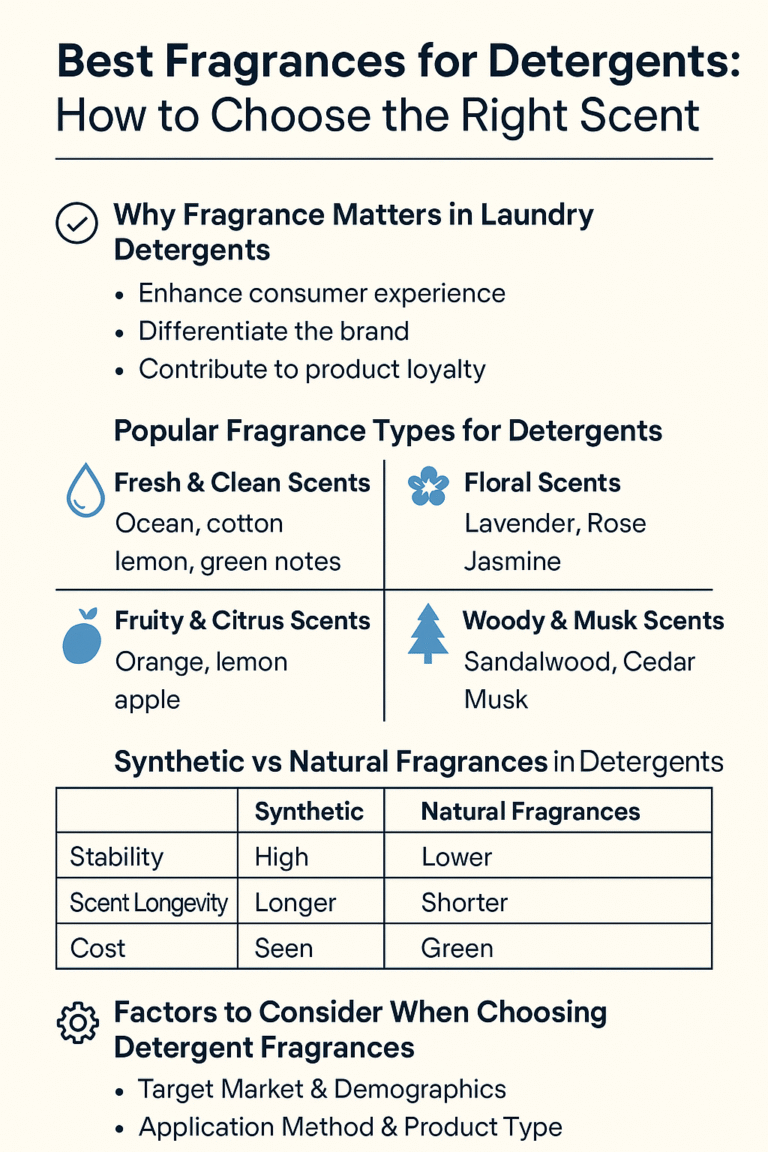
  • 洗涤剂的最佳香味:如何选择合适的香味

      🧺 Best Fragrances for Detergents: How to Choose the Right Scent When consumers buy laundry detergents, one factor consistently ranks among the top: fragrance. The right scent doesn’t just clean clothes—it enhances brand loyalty, evokes emotional comfort, and even shapes perceptions of cleanliness. But with so many scent options, how do formulators, brands, and…

  • The Science of Microencapsulated Fragrances in Cleaning Products

      🧪 The Science of Microencapsulated Fragrances in Cleaning Products How Advanced Scent Technology Delivers Long-Lasting Freshness 🔍 Introduction: Why Fragrance Longevity Matters In today’s highly competitive cleaning products market, fragrance is more than just a pleasant addition—it’s a key factor in consumer satisfaction and brand loyalty. Customers don’t just want their laundry or home…

  • 掌握焦糖化反应:褐变综合指南

    Caramelization is more than just a culinary process; it’s a transformation that elevates flavors, tantalizes taste buds, and adds depth to dishes. In this definitive guide, we delve into the science behind the caramelization reaction, exploring its intricacies, applications, and culinary implications. Whether you’re a seasoned chef or an amateur enthusiast, join us on a…

  • Understanding Aroma Chemicals in the Fragrance and Flavor Industry

    Understanding Aroma Chemicals in the Fragrance and Flavor Industry What Are Aroma Chemicals? Aroma chemicals are the building blocks of fragrances, present in both natural and synthetic forms. While the word “chemical” often carries a negative connotation, it is important to recognize that everything around us — from our bodies to the food we eat…

  • Exploring the World of Aroma Chemicals

    Exploring the World of Aroma Chemicals Aroma chemicals are everywhere, yet often go unnoticed. They are the unsung heroes behind the scents and flavors we love. These compounds are crucial in creating fragrances and flavors in countless products. From perfumes to food, they play a vital role. Aroma chemicals can be natural or synthetic. Synthetic versions are more common due to their consistency and cost-effectiveness. The fragrance industry relies heavily on these chemicals. They ensure that scents are long-lasting and consistent across products. Flavoring agents, another type of aroma chemical, enhance the taste of food and beverages. They make our favorite treats even more enjoyable. The history of aroma chemicals is rich and fascinating. Ancient civilizations used natural extracts for scenting, laying the groundwork for modern perfumery. Today, the balance between natural and synthetic ingredients is key. This balance creates unique fragrance profiles that captivate our senses. As we explore the world of aroma chemicals, we uncover their impact on our daily lives. They shape our experiences and evoke emotions, making them indispensable.   What Are Aroma Chemicals? Aroma chemicals are specialized compounds used in creating scents and flavors. They are the building blocks of fragrance and flavor industries, essential in many products. These compounds can be derived from both natural and synthetic sources. Natural aroma compounds are extracted from plants or animal products, while synthetic ones are manufactured in labs. Synthetic aroma chemicals offer several advantages. They provide consistency, purity, and often a more cost-effective solution than their natural counterparts. Aroma chemicals are utilized in various applications. This includes perfumes, cosmetics, food products, and even cleaning supplies. They are selected based on their ability to enhance the user experience. Common uses of aroma chemicals include: Perfumes: creating distinctive and lasting scents. Food and beverages: enhancing flavors. Household products: masking odors. Cosmetics: adding pleasant fragrances. The science behind aroma chemicals is complex, involving intricate molecule interactions. This fascinating chemistry allows them to mimic natural scents effectively. A key aspect of their success lies in their ability to evoke emotions and trigger memories. This emotional connection is why aroma chemicals are so effective in marketing.   The History and Evolution of Aroma Chemicals The use of aroma chemicals can be traced back to ancient civilizations. Early societies used natural extracts for incense and personal scenting. During the Renaissance, advances in distillation improved the extraction of aromatic compounds. This period saw the rise of perfumery in Europe, laying the groundwork for modern developments. The 19th century marked a significant shift. Synthetic production techniques expanded the palette of available scents. This innovation revolutionized the industry, leading to mass-market fragrances. In the 20th century, chemistry and technology advanced further. New methods allowed for complex fragrance compositions, combining both natural and synthetic ingredients. Key milestones in aroma chemicals’ evolution include: Ancient times: Use of natural extracts. Renaissance: Improved distillation techniques. 19th century: Introduction of synthetic aroma compounds. 20th century: Complex fragrance formulations. The evolution of aroma chemicals reflects broader trends in science and technology. It has continually adapted to consumer preferences and industry demands. Today, the focus is on sustainability and innovation. Efforts are underway to create eco-friendly processes and new, sustainable aroma compounds. by Emile Mbunzama (https://unsplash.com/@emilembunzama) Natural vs. Synthetic Aroma Chemicals Aroma chemicals can be either natural or synthetic. Each type offers unique attributes and advantages in fragrance and flavor production. Natural aroma compounds are derived from plant and animal sources. Essential oils and extracts provide natural scent profiles. These compounds are often favored for their purity and aromatic qualities. Synthetic aroma chemicals, however, are created in laboratories. They replicate both familiar and novel scents. This method allows for cost-effective production and greater scent variety. Choosing between natural and synthetic aromas involves several considerations. Factors include cost, availability, scent longevity, and consumer preferences. Many products today blend both types for optimal results. Key differences between natural and synthetic aroma chemicals include: Natural: Sourced from plants and animals. Synthetic: Lab-created, often more consistent and durable. Scent Profile: Natural for purity, synthetic for variety. Cost: Natural can be pricier; synthetic is more economical. Availability: Natural sources can be limited. The balance between these two forms of aroma chemicals is crucial. It influences fragrance formulation and appeals to diverse consumer needs. Ultimately, the choice depends on the desired product attributes and market trends. Both natural and synthetic types continue to play vital roles in the industry. by Ela De Pure (https://unsplash.com/@eladepure) Key Types of Fragrance Compounds and Flavoring Agents Fragrance compounds are essential elements in perfumery and flavoring. They provide unique scent and taste profiles, enhancing product appeal. Esters are a common type of fragrance compound. They offer fruity and floral scents. Widely used in perfumes, they provide fresh, sweet aromas. Aldehydes are another vital group. They contribute to fresh and citrusy scents. Found in many household and personal care products, they bring a lively aroma. Ketones are notable for their versatility. They range from sweet to woody scents. Ketones add depth and complexity to many fragrances and flavors….

发表回复