
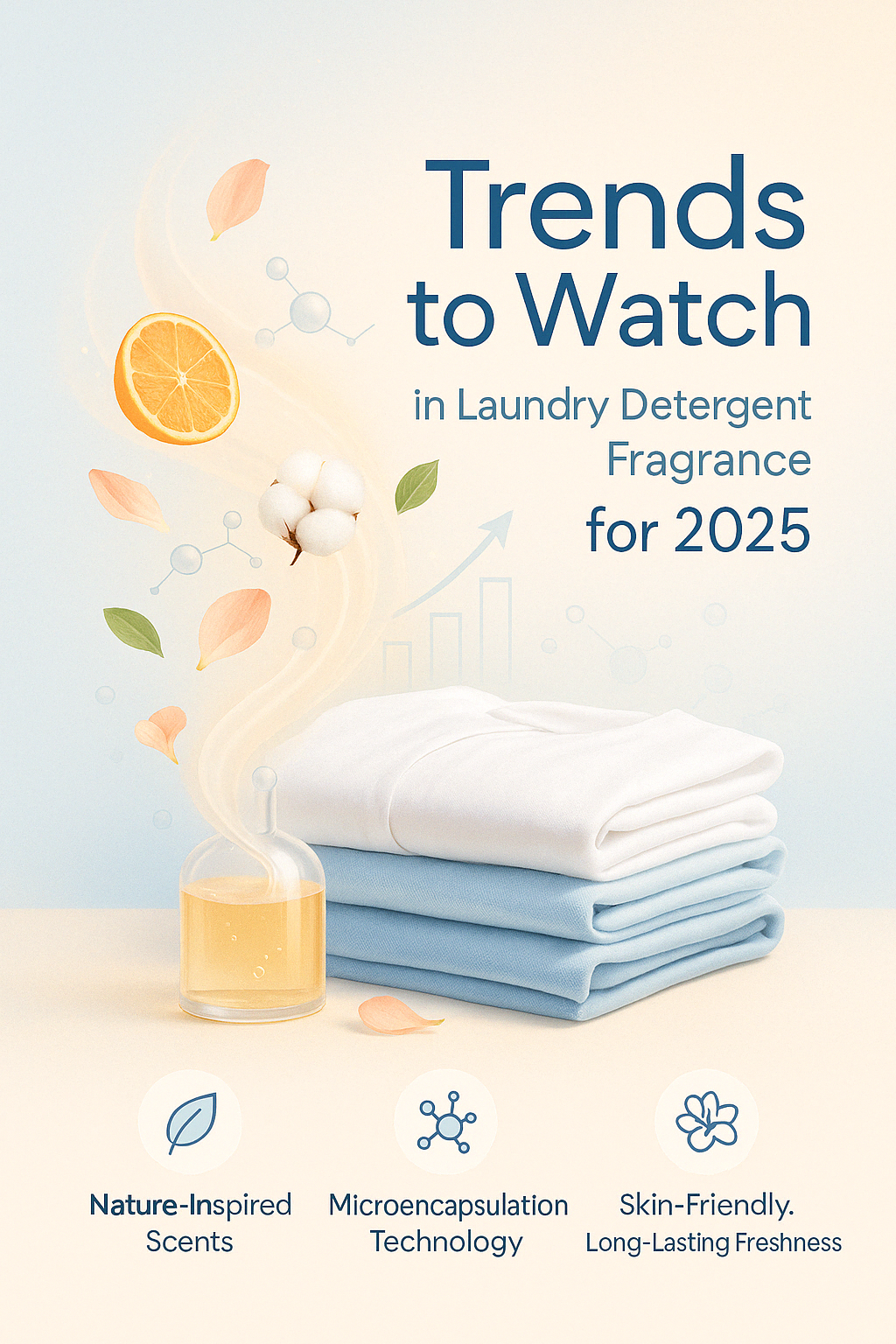
Trends to Watch in Laundry Detergent Fragrance for 2025
Laundry detergent fragrances are experiencing a significant transformation, driven by shifting consumer preferences for comfort, sustainability, and personalization. As we approach 2025, several trends are emerging that will shape the future of laundry care fragrances. This article delves into the key fragrance trends set to captivate consumers and redefine their laundry experiences.
Introduction
Fragrance plays a crucial role in enhancing the laundry experience, transforming a mundane chore into a sensory delight. With consumers becoming increasingly conscious of the products they use in their homes, the demand for fragrances that reflect personal values, such as sustainability and health, is on the rise. This article explores the anticipated trends in laundry detergent fragrances for 2025, highlighting how brands are adapting to these evolving consumer expectations.
The Rise of Eco-friendly Fragrances
In recent years, there has been a notable shift towards sustainable and naturally-derived fragrances in laundry detergents. Consumers are now more aware of the environmental impact of their purchases and are actively seeking out products that align with their eco-conscious values. Brands like Seventh Generation and Method are leading the green fragrance revolution by utilizing plant-based ingredients and essential oils to create effective yet eco-friendly scents. This trend not only appeals to environmentally conscious shoppers but also enhances the overall appeal of laundry products.
Personalization and Customization
The growing trend of personalized detergent scents allows consumers to tailor their laundry experience to their unique preferences. Technology plays a significant role in this trend, with brands exploring customizable options through apps and online platforms. For instance, some companies are offering fragrance kits that allow customers to mix and match scents to create a personalized blend. This level of customization not only enhances user satisfaction but also fosters a deeper emotional connection to the product.
Comforting and Nostalgic Scents
In 2025, we can expect a resurgence of classic and comforting scents in laundry detergents. Many consumers find solace in familiar aromas that evoke memories of home, family, and warmth. Fragrances like fresh linen, lavender, and vanilla are making a comeback as people seek comfort in their laundry routines. This nostalgia-driven trend is not just about scent; it reflects a broader desire for familiarity and reassurance in an increasingly uncertain world.
Exotic and Unique Fragrance Blends
As consumers become more adventurous in their fragrance choices, unconventional scent combinations are gaining popularity. Brands are exploring exotic ingredients from international markets, leading to the creation of unique fragrance blends. Scents featuring notes like coconut, ylang-ylang, or cardamom are emerging as favorites among consumers seeking to differentiate their laundry experience. This trend highlights the growing demand for diverse olfactory experiences that go beyond traditional scents.
Gender-neutral Fragrances
The shift away from traditionally gendered scents is another significant trend in the laundry detergent market. More brands are embracing inclusivity and diversity in fragrance creation by offering gender-neutral options. This trend acknowledges the evolving perceptions of gender and encourages consumers to choose scents based on personal preference rather than societal norms. Brands like Ecover and Persil are leading the way in creating fragrances that appeal to all consumers, fostering a more inclusive laundry experience.
Wellness and Aromatherapy
The connection between scents, wellness, and mood enhancement is becoming increasingly recognized. In 2025, we expect to see more laundry detergents incorporating therapeutic scents associated with wellness and relaxation. Ingredients like eucalyptus, chamomile, and bergamot not only freshen clothes but also promote a sense of well-being. This trend reflects a growing understanding of the impact that fragrances can have on mental health and emotional balance.
Minimalist and Clean Scents
As consumers seek simplicity and clarity in their lives, minimalist and “clean” fragrances are becoming highly desirable. These scents often feature subtle notes of fresh air, sea breeze, or cotton, providing a clean and unobtrusive fragrance experience. This trend signifies a shift towards appreciating simplicity as a form of luxury, with consumers opting for understated scents that enhance the laundry experience without overwhelming the senses.
High-tech Scent Durability
Innovations in scent longevity and release technologies are reshaping the laundry detergent landscape. Microencapsulation and scent boosters are being utilized to ensure that fragrances last longer on clothing. This technology allows scents to be released gradually during the washing and wearing processes, providing a fresh and lasting aroma. As consumers increasingly seek products that deliver enduring freshness, brands investing in these innovations are likely to gain a competitive edge.
Eco-conscious Packaging and Branding
The role of fragrance in eco-conscious brand identities cannot be overstated. Brands that prioritize sustainable packaging and environmentally friendly practices are resonating with today’s consumers. For instance, companies like Earth Friendly Products are rebranding to highlight their commitment to eco-consciousness, using fragrances derived from natural sources and sustainable practices. Case studies of successful rebranding efforts show that aligning fragrance with brand values can enhance consumer loyalty and trust.
Collaboration and Cross-branding
Unique collaborations between fragrance houses and detergent brands are becoming more prevalent as companies seek to differentiate themselves in a crowded market. By partnering with renowned fragrance creators, brands can offer signature scents that appeal to niche audiences. These collaborations not only create buzz but also introduce consumers to new olfactory experiences. For example, the partnership between Tide and well-known perfumers has resulted in highly sought-after scents that elevate the laundry experience.
Seasonal and Limited-edition Fragrances
The popularity of seasonal scent releases is on the rise as brands engage consumers through limited-edition fragrances. Offering scents that reflect the seasons—like fresh florals for spring or warm spices for winter—creates excitement and encourages repeat purchases. This strategy allows brands to tap into consumer emotions and seasonal celebrations, fostering a sense of novelty and anticipation in the laundry routine.
The Role of Social Media and Influencer Marketing
Social media has become a powerful platform for shaping fragrance popularity. Brands leveraging influencer marketing can quickly reach targeted audiences and create trends. Success stories of influencer-endorsed laundry products illustrate the effectiveness of this strategy, with consumers often seeking recommendations from trusted voices. As social media continues to influence consumer choices, brands will need to adapt their marketing strategies to engage effectively with online communities.
Regulatory Impact on Fragrance Development
Recent regulatory changes are impacting fragrance formulation in the laundry detergent industry. Brands must navigate new health and safety standards, adapting their fragrances to comply with regulations. Transparency in ingredient disclosure is becoming increasingly important, with consumers demanding more information about the products they use. Companies that proactively address regulatory challenges and prioritize safety will build trust with their customers.
Advances in Fragrance Testing and Development
The science behind creating enduring and appealing scents is evolving rapidly. Advances in fragrance testing technologies allow brands to refine their formulations based on consumer feedback and preferences. This iterative process ensures that fragrances resonate with target audiences, enhancing customer satisfaction and loyalty. As brands continue to invest in research and development, we can expect to see even more innovative scents hitting the market.
Consumer Education and Transparency
Ingredient transparency is crucial for building consumer trust. As awareness of fragrance ingredients grows, consumers are seeking products that provide clear information about what they are using. Educating consumers on the benefits of specific ingredients can enhance brand loyalty and encourage informed purchasing decisions. Brands that prioritize transparency in their communications will likely foster stronger relationships with their customers.
Future Predictions and Innovations
Looking ahead, the future of laundry detergent fragrances appears bright, with potential breakthroughs in natural fragrance synthesis and sustainable ingredients. As consumer preferences continue to evolve, brands that embrace innovation while staying true to their core values will thrive. The ability to adapt to changing market dynamics and consumer demands will be crucial for success in the competitive laundry care sector.
Summary and Conclusion
In conclusion, the laundry detergent fragrance landscape is undergoing significant transformation as we head into 2025. Key trends such as eco-friendly fragrances, personalization, nostalgic scents, and the rise of gender-neutral options are shaping consumer preferences. Additionally, the integration of wellness elements, minimalist scents, and high-tech innovations are setting the stage for a new era in laundry care. Brands that prioritize sustainability, transparency, and consumer engagement will be well-positioned to lead the charge in this evolving market.
FAQs
- What are eco-friendly fragrances in laundry detergents? Eco-friendly fragrances are derived from natural sources and do not contain harmful synthetic chemicals, making them safer for both consumers and the environment.
- How can I find a laundry detergent with a personalized fragrance? Some brands offer customizable options through their websites or apps, allowing you to select and blend fragrances to create a unique scent for your laundry.
- What makes a scent comforting or nostalgic? Scents that evoke memories, such as fresh linen or baked goods, can provide a sense of comfort and nostalgia, often reminding individuals of home and family.
- Are gender-neutral fragrances becoming more popular in detergents? Yes, there is a growing trend towards gender-neutral fragrances, reflecting the desire for inclusivity and diversity in scent choices.
- How do brands make scents last longer on clothes? Brands use technologies like microencapsulation and scent boosters, which release fragrances gradually to ensure lasting freshness.
- Why is fragrance transparency important to consumers? Transparency builds trust and allows consumers to make informed decisions about the products they use, particularly concerning potential allergens and harmful ingredients.
- What role does social media play in determining popular detergent scents? Social media influences consumer choices through recommendations and trends, with influencers often driving interest in specific scents and products.
-
Can seasonal fragrances influence my mood or well-being? Yes, certain seasonal scents can evoke feelings associated with specific times of the year, enhancing mood and overall well-being through sensory experiences.