Importancia de los aromas en la industria alimentaria

Importancia de los aromas en la industria alimentaria

Introducción

With the rapid development of the food industry, people have put forward higher requirements for the flavor, taste and overall sensory experience of food. In this process, flavors, as an important food additive, have played an irreplaceable role in improving food flavor, enhancing appetite, extending food shelf life and enriching food culture. Flavors can not only make up for the natural aroma lost in food processing, but also give food a more diversified taste experience, thereby meeting the needs of different consumers. This article will discuss in depth the important role of flavors in the food industry.

I. Improving food flavor

The flavor of food is mainly composed of its aroma and taste, and aroma plays a key role in the attractiveness of food. During food processing, the natural aroma of many raw materials themselves may be lost due to factors such as high temperature, low temperature, oxidation, etc., resulting in a weakened flavor of the final product. At this time, the addition of flavors can effectively compensate or enhance the original flavor of the food, making it more attractive.

1. Restore aroma lost during processing*
In the food industry, processing methods such as baking, frying, and high-temperature sterilization often destroy the natural aroma of food. For example, after pasteurization, the unique milky aroma of milk may be weakened, but by adding frankincense, the milky aroma can be restored or enhanced, making the product more attractive. Similarly, in the production of fruit juice drinks, some fruity substances are easily lost during the concentration or dilution process. The use of fruit flavors can make the product closer to the flavor of fresh juice.

2. Improve the taste of low-flavor or no-flavor foods
Some foods have a light flavor or no obvious aroma, such as soy protein, plant-based foods, etc. By adding corresponding flavors, these foods can have a taste closer to natural meat or other foods, thereby improving their acceptability. For example, meat flavors are often used in vegetarian products to make them closer to the flavor of real meat, meeting the needs of vegetarians and environmentally friendly consumers.

3. Create a unique flavor experience
Flavors can also help food manufacturers develop products with innovative flavors. For example, some specialty beverages use special floral, tea or fruity aromas to distinguish them from traditional products and form brand uniqueness. In recent years, popular “mixed flavor” foods, such as “blueberry cheesecake flavored ice cream” or “mango coconut flavored drinks”, are all successful applications of flavor technology in the food industry.

Food-flavor

2. Enhance appetite

People’s preference for food is largely influenced by their sense of smell and taste, and flavors can increase appetite by enhancing the aroma of food.

1. Stimulate the brain’s sense of pleasure
The aroma of food can stimulate the brain to release dopamine and make people feel happy. For example, the rich wheat aroma of freshly baked bread or the meaty aroma of frying steak can greatly increase people’s appetite. Flavors play a key role in this process, which can enhance or reproduce these mouth-watering smells, so that food can induce people’s desire to eat even in the packaged state.

2. Enhance the sensory appeal of food
In the modern food industry, many ready-to-eat foods and pre-prepared foods rely on flavors to enhance their sensory appeal. For example, instant noodles usually add meat flavors to make the soup base more tempting, while snacks such as potato chips and puffed foods use flavors such as cheese, barbecue, and barbecue to enhance the layering of flavors and give consumers a stronger sense of satisfaction when tasting.

3. Adapt to the taste needs of different groups of people
People of different ages, regions, and cultural backgrounds have different preferences for food flavors. For example, the elderly may prefer foods with strong flavors due to their weakened sense of taste, while children tend to accept sweet fruity or milky flavors. Food companies can use flavors to adjust the aroma of food to meet the needs of different groups and thus expand the market.

Increasing-Appetite


3. Help preserve food

In addition to giving food a delicious flavor, flavors can also play an important role in preserving food and extending its shelf life.

1. Masking odors in processed foods
Many processed foods may produce certain odors during storage or transportation, such as oxidation, fishy smell, or plastic packaging smell. By adding appropriate flavors, these unpleasant odors can be effectively masked, allowing the food to maintain a better flavor. For example, fish products may have a fishy smell. A proper amount of lemon essence or other blending essences can reduce the impact of the fishy smell and improve the overall taste of the food.

2. Reduce dependence on food preservatives
Some essences themselves have antibacterial and antioxidant effects, such as citrus essences, rosemary essences, etc., which contain natural antioxidant ingredients, which can delay food oxidation to a certain extent and increase the shelf life of food. In addition, some spices such as cinnamon, cloves and other natural essences have a certain preservative effect, which can be used to reduce the use of chemical preservatives and improve the natural properties of food.

3. Help food keep freshness
The use of essences can also make up for the quality decline caused by the loss of aroma after long-term storage. For example, frozen food may lose some of its original flavor during storage. Adding a proper amount of essence can restore its proper taste after thawing, so that consumers can get a closer experience to fresh food.

elping-to-Preserve-Food

4. Enrich food culture

Flavor is not only a tool to enhance the flavor of food, it also has a profound impact on the dissemination and development of food culture.

1. Reproduce the flavor of traditional food
The flavor of many traditional foods relies on specific aroma components, such as the sweet-scented osmanthus fragrance of Chinese pastries and the vanilla flavor of French desserts. In the modern food industry, flavors can help restore these classic flavors and enable traditional foods to spread in a wider market. For example, some modern food brands use jasmine flavors or oolong tea flavors to create the flavor experience of Chinese tea culture.

2. Promote international food culture exchanges
Due to the development of flavor technology, food flavors from different countries and regions can be more easily replicated and spread. For example, matcha-flavored ice cream, which is popular in the Asian market, is also popular in the European and American markets, while Western caramel and hazelnut flavors are gradually being used in Asian beverages and baked goods. This globalization of flavors promotes the exchange of food culture, allowing people around the world to experience the food characteristics of different regions.

3. Promote food innovation and diversification
Modern consumers are increasingly pursuing personalized and novel food experiences. The advancement of flavor technology enables food manufacturers to continuously launch innovative products, such as flower and fruit flavored drinks and mixed flavor snacks. The emergence of these novel flavors has enriched the choices of the food market and promoted the continuous development of the food industry.

Enriching-Food-Culture

Conclusión

The importance of flavors in the food industry is self-evident. It not only enhances the flavor of food and increases appetite, but also helps to extend the shelf life of food, while promoting the development and dissemination of food culture. In the future, with the continuous advancement of food technology, the application of flavors will become more diversified and refined, bringing consumers a richer taste experience, while promoting the food industry to develop in a healthier, more environmentally friendly and innovative direction.

Publicaciones Similares

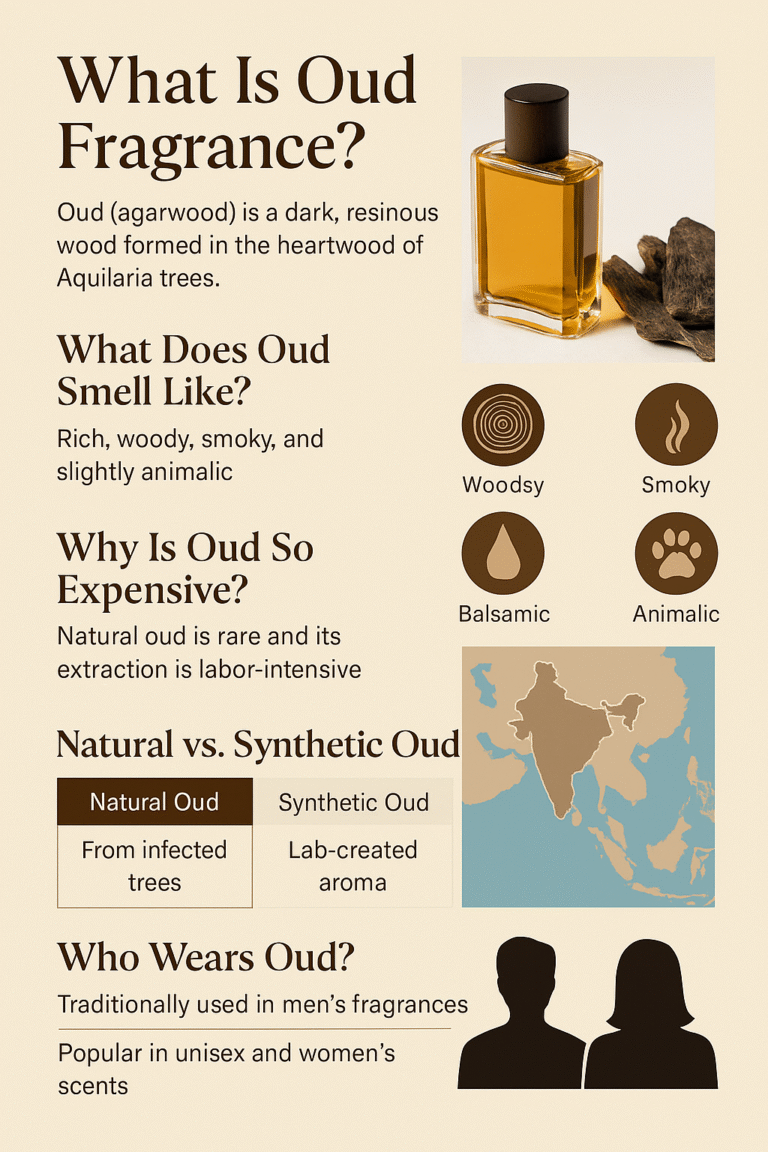
  • ¿Qué es la fragancia de oud? Orígenes, perfil olfativo y por qué es tan cara

    🌿 What Is Oud Fragrance? Origins, Scent Profile & Why It’s So Expensive 🧭 Introduction: Oud — The Liquid Gold of Perfumery If you’ve ever browsed high-end perfumes or niche fragrances, chances are you’ve come across the word “oud.” Revered as one of the most luxurious and mysterious scent ingredients in the world, oud fragrance…

  • Decoding Synthetic Fragrance Regulations 2025: Compliance Essentials & Strategic Insights

    Decoding Synthetic Fragrance Regulations 2025: Compliance Essentials & Strategic Insights Introduction The synthetic fragrance industry is entering 2025 with a rapidly evolving regulatory landscape. From allergen labeling updates in the EU to cosmetic modernization laws in the US and stricter compliance frameworks in China, fragrance businesses face new requirements that directly impact formulation, labeling, and…

  • Exploring the World of Aroma Chemicals

    Exploring the World of Aroma Chemicals Aroma chemicals are everywhere, yet often go unnoticed. They are the unsung heroes behind the scents and flavors we love. These compounds are crucial in creating fragrances and flavors in countless products. From perfumes to food, they play a vital role. Aroma chemicals can be natural or synthetic. Synthetic versions are more common due to their consistency and cost-effectiveness. The fragrance industry relies heavily on these chemicals. They ensure that scents are long-lasting and consistent across products. Flavoring agents, another type of aroma chemical, enhance the taste of food and beverages. They make our favorite treats even more enjoyable. The history of aroma chemicals is rich and fascinating. Ancient civilizations used natural extracts for scenting, laying the groundwork for modern perfumery. Today, the balance between natural and synthetic ingredients is key. This balance creates unique fragrance profiles that captivate our senses. As we explore the world of aroma chemicals, we uncover their impact on our daily lives. They shape our experiences and evoke emotions, making them indispensable.   What Are Aroma Chemicals? Aroma chemicals are specialized compounds used in creating scents and flavors. They are the building blocks of fragrance and flavor industries, essential in many products. These compounds can be derived from both natural and synthetic sources. Natural aroma compounds are extracted from plants or animal products, while synthetic ones are manufactured in labs. Synthetic aroma chemicals offer several advantages. They provide consistency, purity, and often a more cost-effective solution than their natural counterparts. Aroma chemicals are utilized in various applications. This includes perfumes, cosmetics, food products, and even cleaning supplies. They are selected based on their ability to enhance the user experience. Common uses of aroma chemicals include: Perfumes: creating distinctive and lasting scents. Food and beverages: enhancing flavors. Household products: masking odors. Cosmetics: adding pleasant fragrances. The science behind aroma chemicals is complex, involving intricate molecule interactions. This fascinating chemistry allows them to mimic natural scents effectively. A key aspect of their success lies in their ability to evoke emotions and trigger memories. This emotional connection is why aroma chemicals are so effective in marketing.   The History and Evolution of Aroma Chemicals The use of aroma chemicals can be traced back to ancient civilizations. Early societies used natural extracts for incense and personal scenting. During the Renaissance, advances in distillation improved the extraction of aromatic compounds. This period saw the rise of perfumery in Europe, laying the groundwork for modern developments. The 19th century marked a significant shift. Synthetic production techniques expanded the palette of available scents. This innovation revolutionized the industry, leading to mass-market fragrances. In the 20th century, chemistry and technology advanced further. New methods allowed for complex fragrance compositions, combining both natural and synthetic ingredients. Key milestones in aroma chemicals’ evolution include: Ancient times: Use of natural extracts. Renaissance: Improved distillation techniques. 19th century: Introduction of synthetic aroma compounds. 20th century: Complex fragrance formulations. The evolution of aroma chemicals reflects broader trends in science and technology. It has continually adapted to consumer preferences and industry demands. Today, the focus is on sustainability and innovation. Efforts are underway to create eco-friendly processes and new, sustainable aroma compounds. by Emile Mbunzama (https://unsplash.com/@emilembunzama) Natural vs. Synthetic Aroma Chemicals Aroma chemicals can be either natural or synthetic. Each type offers unique attributes and advantages in fragrance and flavor production. Natural aroma compounds are derived from plant and animal sources. Essential oils and extracts provide natural scent profiles. These compounds are often favored for their purity and aromatic qualities. Synthetic aroma chemicals, however, are created in laboratories. They replicate both familiar and novel scents. This method allows for cost-effective production and greater scent variety. Choosing between natural and synthetic aromas involves several considerations. Factors include cost, availability, scent longevity, and consumer preferences. Many products today blend both types for optimal results. Key differences between natural and synthetic aroma chemicals include: Natural: Sourced from plants and animals. Synthetic: Lab-created, often more consistent and durable. Scent Profile: Natural for purity, synthetic for variety. Cost: Natural can be pricier; synthetic is more economical. Availability: Natural sources can be limited. The balance between these two forms of aroma chemicals is crucial. It influences fragrance formulation and appeals to diverse consumer needs. Ultimately, the choice depends on the desired product attributes and market trends. Both natural and synthetic types continue to play vital roles in the industry. by Ela De Pure (https://unsplash.com/@eladepure) Key Types of Fragrance Compounds and Flavoring Agents Fragrance compounds are essential elements in perfumery and flavoring. They provide unique scent and taste profiles, enhancing product appeal. Esters are a common type of fragrance compound. They offer fruity and floral scents. Widely used in perfumes, they provide fresh, sweet aromas. Aldehydes are another vital group. They contribute to fresh and citrusy scents. Found in many household and personal care products, they bring a lively aroma. Ketones are notable for their versatility. They range from sweet to woody scents. Ketones add depth and complexity to many fragrances and flavors….

  • Where Do Flavors Come From?

    Where Do Flavors Come From? Unveiling the Secrets of Modern Taste Creation Introduction: What Is Flavor? Flavor is more than just taste—it’s a multisensory experience combining aroma, taste, and mouthfeel. The sweetness of a candy or the cool freshness of toothpaste comes from meticulously crafted flavor systems. In industries such as food, beverage, oral care,…

  • Discover the future of fragrance formulation as we explore the balance between natural and synthetic ingredients. Learn how these choices affect scent and sustainability.

    Discover the future of fragrance formulation as we explore the balance between natural and synthetic ingredients. Learn how these choices affect scent and sustainability. Fragrance formulation is an art and science. It blends natural and synthetic ingredients to create unique scents. The balance between these ingredients is crucial. It affects not only the scent but…

  • Cómo elegir una fragancia duradera para el hogar: Guía completa

    How to Choose a Long-Lasting Home Fragrance: A Complete Guide Introduction: Why Home Fragrance Matters A well-chosen home fragrance can transform your living space, elevate your mood, and express your personal style. Beyond simply masking odors, scents can soothe, energize, or bring back fond memories. As consumer awareness grows, long-lasting home fragrances have become more…

Deja un comentario