معرض كانتون وصناعة العطور: الفرص والتحديات في العولمة

معرض كانتون وصناعة العطور: الفرص والتحديات في العولمة

معرض كانتون (معرض الاستيراد والتصدير الصيني) هو حدث رئيسي في التجارة العالمية، ويوفر منصة ممتازة لشركات العطور لعرض منتجاتها وتوسيع أسواقها. يستكشف هذا المقال دور الشركات المصنعة للعطور في معرض كانتون، ويحلل اتجاهات سوق العطور العالمية، ويقدم استراتيجيات لشركات العطور للاستفادة من المعرض لتحقيق النمو الدولي.كانتون فير
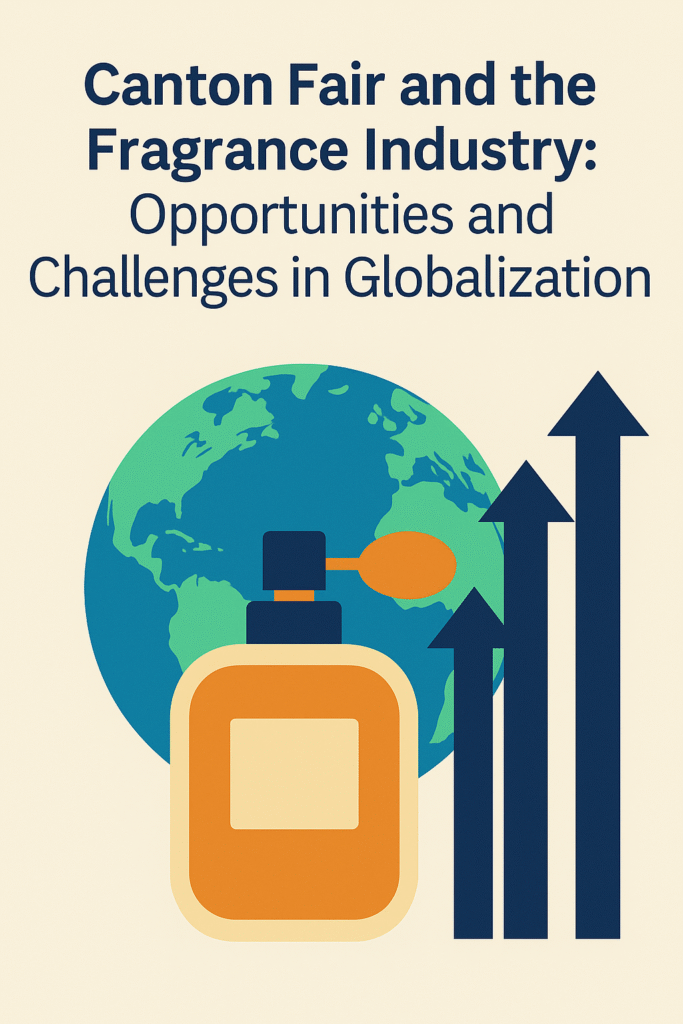

نظرة عامة على معرض كانتون

يُعد معرض كانتون، الذي يُقام مرتين سنوياً في قوانجتشو، أحد أكبر المعارض التجارية وأكثرها تأثيراً في العالم. يغطي معرض كانتون مجموعة واسعة من الصناعات بما في ذلك الإلكترونيات والآلات ومواد البناء والسلع الاستهلاكية والأغذية والمنتجات الطبية، ويجذب العارضين والمشترين من أكثر من 200 دولة ومنطقة. يسهل هذا الحدث صفقات تصل قيمتها إلى مليارات الدولارات سنوياً. بالنسبة لصناعة العطور، يُعد هذا المعرض منصة رئيسية لعرض المنتجات والتواصل وإقامة علاقات تجارية جديدة.


اتجاهات سوق العطور العالمية

شهد سوق العطور العالمي نموًا ثابتًا ومن المتوقع أن يستمر في التوسع في السنوات القادمة. ووفقًا لـ جراند فيو للأبحاث، بلغت قيمة السوق 54.52 مليار دولار أمريكي في عام 2023، ومن المتوقع أن يصل إلى 74.76 مليار دولار أمريكي بحلول عام 2030، بمعدل نمو سنوي مركب (CAGR) يبلغ 4.7% من عام 2024 إلى عام 2030.

المحركات الرئيسية للنمو:

  • زيادة الطلب على منتجات العناية الشخصية والمنتجات المنزلية: يؤدي الطلب المتزايد على المنتجات المعطرة في منتجات العناية الشخصية ومنتجات التنظيف إلى دفع سوق العطور.
  • المنتجات الطبيعية والعضوية: يؤدي التحول نحو المنتجات العضوية والمستدامة إلى زيادة الطلب على العطور الطبيعية.
  • النمو في الأسواق الناشئة: تشهد منطقة آسيا والمحيط الهادئ، وخاصة الصين والهند، نموًا سريعًا، مما يساهم في زيادة حجم السوق.

مع توسع قنوات المبيعات الرقمية، يمكن لشركات العطور أيضاً الاستفادة من منصات التجارة الإلكترونية لتعزيز المبيعات العالمية.


كيف يمكن لشركات العطور أن تستفيد من معرض كانتون

1. عرض المنتجات وتعزيز الوعي بالعلامة التجارية

يتيح معرض كانتون لشركات العطور فرصة عرض منتجاتها أمام جمهور عالمي. من خلال المشاركة في المعرض، يمكن للشركات أن تعرض ميزات وفوائد منتجاتها من خلال العروض التوضيحية الحية وعروض العينات، مما يزيد من شهرة العلامة التجارية في السوق الدولية.

2. توسيع الأسواق وبناء علاقات مع العملاء

إحدى المزايا الرئيسية لمعرض كانتون هي القدرة على التواصل مع المشترين من جميع أنحاء العالم. يمكن لمصنعي العطور مقابلة عملاء محتملين من مختلف المناطق، بما في ذلك الأسواق الناشئة مثل جنوب شرق آسيا وأفريقيا وأمريكا الجنوبية، مما يوفر وسيلة لتوسيع السوق العالمية.

3. التواصل والتعاون في مجال الابتكار

المعرض ليس مجرد منصة مبيعات فحسب، بل هو أيضاً فرصة للتبادل التقني. حيث يمكن لشركات العطور التواصل مع رواد الصناعة الآخرين للتعرف على اتجاهات السوق وتبادل الأفكار واستكشاف أوجه التعاون المحتملة في تطوير منتجات جديدة.


الاستفادة من معرض كانتون للتوسع العالمي: الاستراتيجيات الرئيسية

1. استراتيجية المعارض المستهدفة

يجب على شركات العطور أن تختار بعناية مناطق العرض ومواضع الأجنحة بناءً على الأسواق المستهدفة. على سبيل المثال، يجب عرض منتجات العطور الخاصة بصناعة الأغذية في قسم الأغذية، بينما يجب وضع منتجات العناية الشخصية ومنتجات التنظيف في قسم السلع اليومية. يساعد تكييف المعرض مع صناعات محددة على جذب الجمهور المناسب.

2. تعزيز صورة العلامة التجارية

بناء حضور قوي واحترافي للعلامة التجارية أمر بالغ الأهمية في معرض كانتون. يجب أن تركز شركات العطور على تصميم المقصورة والمواد الترويجية الفعالة والموظفين المدربين تدريباً جيداً لنقل صورة احترافية. وبالإضافة إلى ذلك، يمكن أن تساعد الاستفادة من وسائل التواصل الاجتماعي والأدوات الرقمية خلال المعرض في زيادة الظهور وتوسيع نطاق جهود العلامة التجارية للشركة.

3. تطوير علاقات قوية مع العملاء

يوفر المعرض فرصة للتواصل المباشر مع العملاء المحتملين. من المهم لشركات العطور فهم احتياجات عملائها وتقديم حلول مصممة خصيصاً لهم. كما أن المتابعة مع العملاء بعد المعرض مهمة بنفس القدر لتعزيز العلاقات طويلة الأمد وتأمين تكرار الأعمال.

4. تنويع نماذج التعاون

بالإضافة إلى مبيعات المنتجات، يمكن لشركات العطور استكشاف المشاريع المشتركة، والمشاريع ذات العلامات التجارية المشتركة، والتعاون في مجال البحث والتطوير. يمكن لهذه الشراكات أن تعزز الابتكار وتوفر للشركات سبلاً جديدة للنمو في السوق العالمية.


مستقبل صناعة العطور ومعرض كانتون للعطور

وتستعد صناعة العطور للنمو المستمر، مدفوعة بالاتجاهات في الاستدامة، وطلب المستهلكين على المكونات الطبيعية، والتوسع في الأسواق الناشئة. سيظل معرض كانتون منصة حيوية لشركات العطور للتواصل مع المشترين العالميين، واستكشاف فرص الأعمال الجديدة، والبقاء في صدارة اتجاهات الصناعة.

الاتجاهات الرئيسية التي تشكل مستقبل صناعة العطور:

  • الاستدامة: ويؤثر الطلب المتزايد على المنتجات الصديقة للبيئة والمستدامة على تركيبات العطور، مما يجعل من الضروري للشركات الابتكار وتلبية توقعات المستهلكين.
  • الرقمنة: إن ظهور التجارة الإلكترونية والمنصات الرقمية يوفر لشركات العطور طرقاً جديدة للوصول إلى العملاء وتسويق منتجاتها على المستوى الدولي.
  • التخصيص: يبحث المستهلكون بشكل متزايد عن تجارب عطرية مخصصة، مما يوفر لشركات العطور الفرصة لتنويع خطوط إنتاجها وتلبية التفضيلات الفردية.

الخاتمة: لماذا يجب على شركات العطور المشاركة في معرض كانتون

يوفر معرض كانتون لشركات العطور فرصة فريدة من نوعها لتوسيع نطاق وصولها العالمي، وعرض منتجاتها المبتكرة، وبناء علاقات قيمة مع العملاء. من خلال اعتماد استراتيجية عرض جيدة التخطيط والاستفادة من إمكانات التواصل في المعرض، يمكن لشركات العطور أن تضع نفسها في مكانة لتحقيق النجاح على المدى الطويل في السوق العالمية المتنامية.

ومع استمرار سوق العطور في التوسع، خاصة في المناطق الناشئة، فإن معرض كانتون هو منصة لا تقدر بثمن لشركات العطور لاستكشاف فرص تجارية جديدة وتعزيز وجودها في السوق الدولية.

 

موضوعات ذات صلة

  • What is Fragrance? Understanding Its Role in Everyday Life

    🌸 What is Fragrance? Understanding Its Role in Everyday Life Introduction When most people hear the word “fragrance”, they immediately think of perfume. But fragrance is far more than that. It is the invisible thread that connects memories, emotions, and everyday experiences. From the refreshing scent of lemon in a dishwashing liquid to the calming…

  • The Versatility and Application of Orange Flavoring Across Industries

    The Versatility and Application of Orange Flavoring Across Industries 1. Introduction Orange flavoring has become a cornerstone in food, beverage, and wellness formulations due to its vibrant, sweet-tangy citrus profile. From classic sodas to gourmet desserts and modern CBD tinctures, orange flavoring delivers a refreshing taste that resonates globally. As both natural and synthetic flavor…

  • هل العطر في مستحضرات التجميل آمن؟ الحقائق والعلوم واللوائح التنظيمية

    🧴 Is Fragrance in Cosmetics Safe? Breaking Down the Facts Fragrance is found in nearly every cosmetic product—from lotions to lipsticks to serums. It enhances the sensory experience and contributes to brand identity. But increasingly, consumers are asking: Is fragrance in cosmetics actually safe? Let’s explore what “fragrance” really means on product labels, what the…

  • كيفية اختيار عطر منزلي يدوم طويلاً: دليل كامل

    How to Choose a Long-Lasting Home Fragrance: A Complete Guide Introduction: Why Home Fragrance Matters A well-chosen home fragrance can transform your living space, elevate your mood, and express your personal style. Beyond simply masking odors, scents can soothe, energize, or bring back fond memories. As consumer awareness grows, long-lasting home fragrances have become more…

  • العطارون: الفن والعلم وراء كل عطر

    Perfumers: The Art and Science Behind Every Scent How creativity, chemistry, and compliance shape modern fragrances Introduction A perfumer—often called a nose—designs fragrances that are emotionally resonant, technically robust, and legally compliant. Beyond poetic accords and brand storytelling, modern perfumers operate at the intersection of sensory art, analytical chemistry, and regulatory science. They balance natural…

  • Exploring the World of Aroma Chemicals

    Exploring the World of Aroma Chemicals Aroma chemicals are everywhere, yet often go unnoticed. They are the unsung heroes behind the scents and flavors we love. These compounds are crucial in creating fragrances and flavors in countless products. From perfumes to food, they play a vital role. Aroma chemicals can be natural or synthetic. Synthetic versions are more common due to their consistency and cost-effectiveness. The fragrance industry relies heavily on these chemicals. They ensure that scents are long-lasting and consistent across products. Flavoring agents, another type of aroma chemical, enhance the taste of food and beverages. They make our favorite treats even more enjoyable. The history of aroma chemicals is rich and fascinating. Ancient civilizations used natural extracts for scenting, laying the groundwork for modern perfumery. Today, the balance between natural and synthetic ingredients is key. This balance creates unique fragrance profiles that captivate our senses. As we explore the world of aroma chemicals, we uncover their impact on our daily lives. They shape our experiences and evoke emotions, making them indispensable.   What Are Aroma Chemicals? Aroma chemicals are specialized compounds used in creating scents and flavors. They are the building blocks of fragrance and flavor industries, essential in many products. These compounds can be derived from both natural and synthetic sources. Natural aroma compounds are extracted from plants or animal products, while synthetic ones are manufactured in labs. Synthetic aroma chemicals offer several advantages. They provide consistency, purity, and often a more cost-effective solution than their natural counterparts. Aroma chemicals are utilized in various applications. This includes perfumes, cosmetics, food products, and even cleaning supplies. They are selected based on their ability to enhance the user experience. Common uses of aroma chemicals include: Perfumes: creating distinctive and lasting scents. Food and beverages: enhancing flavors. Household products: masking odors. Cosmetics: adding pleasant fragrances. The science behind aroma chemicals is complex, involving intricate molecule interactions. This fascinating chemistry allows them to mimic natural scents effectively. A key aspect of their success lies in their ability to evoke emotions and trigger memories. This emotional connection is why aroma chemicals are so effective in marketing.   The History and Evolution of Aroma Chemicals The use of aroma chemicals can be traced back to ancient civilizations. Early societies used natural extracts for incense and personal scenting. During the Renaissance, advances in distillation improved the extraction of aromatic compounds. This period saw the rise of perfumery in Europe, laying the groundwork for modern developments. The 19th century marked a significant shift. Synthetic production techniques expanded the palette of available scents. This innovation revolutionized the industry, leading to mass-market fragrances. In the 20th century, chemistry and technology advanced further. New methods allowed for complex fragrance compositions, combining both natural and synthetic ingredients. Key milestones in aroma chemicals’ evolution include: Ancient times: Use of natural extracts. Renaissance: Improved distillation techniques. 19th century: Introduction of synthetic aroma compounds. 20th century: Complex fragrance formulations. The evolution of aroma chemicals reflects broader trends in science and technology. It has continually adapted to consumer preferences and industry demands. Today, the focus is on sustainability and innovation. Efforts are underway to create eco-friendly processes and new, sustainable aroma compounds. by Emile Mbunzama (https://unsplash.com/@emilembunzama) Natural vs. Synthetic Aroma Chemicals Aroma chemicals can be either natural or synthetic. Each type offers unique attributes and advantages in fragrance and flavor production. Natural aroma compounds are derived from plant and animal sources. Essential oils and extracts provide natural scent profiles. These compounds are often favored for their purity and aromatic qualities. Synthetic aroma chemicals, however, are created in laboratories. They replicate both familiar and novel scents. This method allows for cost-effective production and greater scent variety. Choosing between natural and synthetic aromas involves several considerations. Factors include cost, availability, scent longevity, and consumer preferences. Many products today blend both types for optimal results. Key differences between natural and synthetic aroma chemicals include: Natural: Sourced from plants and animals. Synthetic: Lab-created, often more consistent and durable. Scent Profile: Natural for purity, synthetic for variety. Cost: Natural can be pricier; synthetic is more economical. Availability: Natural sources can be limited. The balance between these two forms of aroma chemicals is crucial. It influences fragrance formulation and appeals to diverse consumer needs. Ultimately, the choice depends on the desired product attributes and market trends. Both natural and synthetic types continue to play vital roles in the industry. by Ela De Pure (https://unsplash.com/@eladepure) Key Types of Fragrance Compounds and Flavoring Agents Fragrance compounds are essential elements in perfumery and flavoring. They provide unique scent and taste profiles, enhancing product appeal. Esters are a common type of fragrance compound. They offer fruity and floral scents. Widely used in perfumes, they provide fresh, sweet aromas. Aldehydes are another vital group. They contribute to fresh and citrusy scents. Found in many household and personal care products, they bring a lively aroma. Ketones are notable for their versatility. They range from sweet to woody scents. Ketones add depth and complexity to many fragrances and flavors….

اترك تعليقاً