home fragrance

How to Choose a Long-Lasting Home Fragrance: A Complete Guide
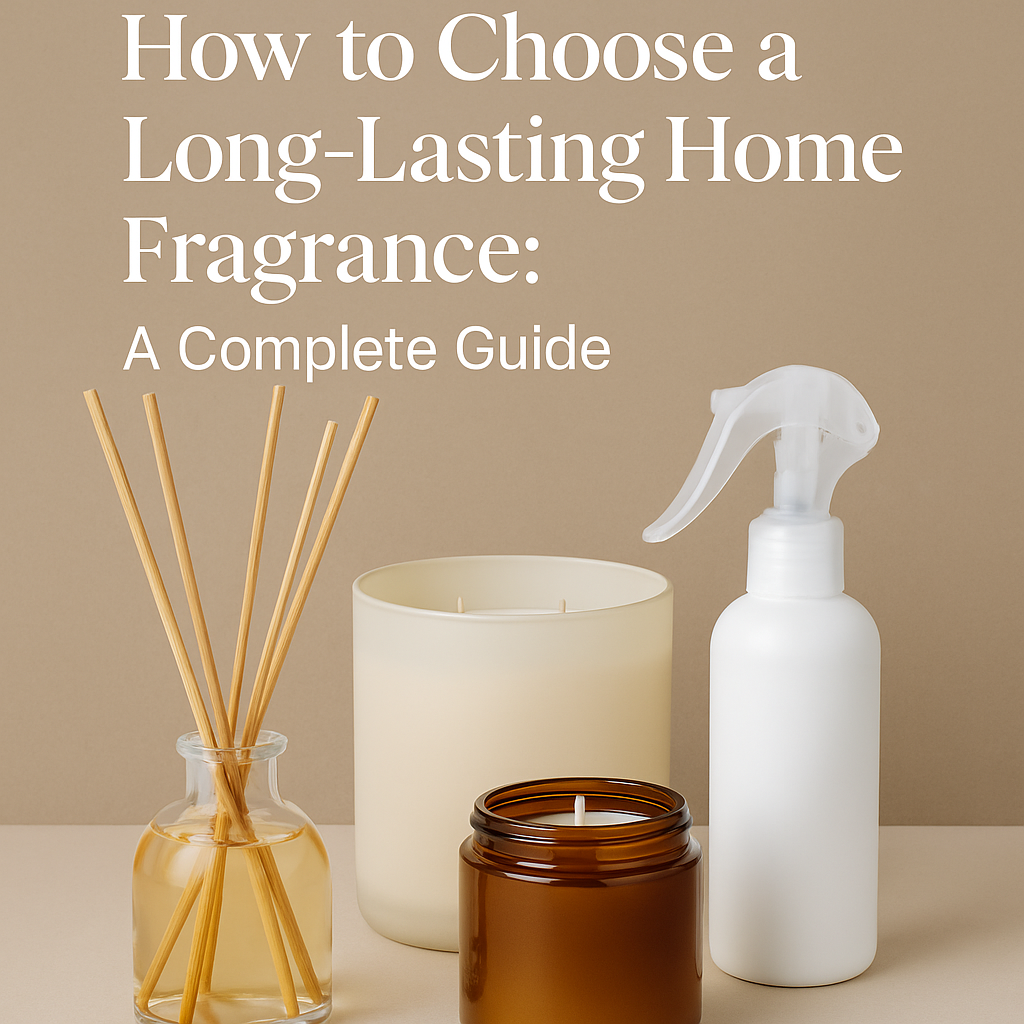
How to Choose a Long-Lasting Home Fragrance: A Complete Guidehome fragrance

Introduction: Why Home Fragrance Matters

A well-chosen home fragrance can transform your living space, elevate your mood, and express your personal style. Beyond simply masking odors, scents can soothe, energize, or bring back fond memories. As consumer awareness grows, long-lasting home fragrances have become more desirable for their practicality and enduring presence.

What Makes a Fragrance Long-Lasting?

Fragrance longevity depends on several key factors:

  • Fragrance Structure: Scents are composed of top, middle, and base notes. While top notes offer the first impression, base notes linger the longest, often providing the lasting character of the fragrance.
  • Oil Concentration: Higher oil content typically means longer-lasting scent. Fragrance oils, especially synthetic ones, are designed for prolonged performance.
  • Volatility: Some ingredients evaporate faster than others. Fixatives and stabilizers can slow this process, extending scent duration.

Types of Home Fragrance Products

Different formats offer varying longevity and scent intensity:

  • Reed Diffusers: Continuous release; can last 4–12 weeks depending on size and placement.
  • Scented Candles: Offer ambiance and fragrance; burn time determines scent lifespan.
  • Room Sprays: Immediate effect but shorter duration; best for quick refresh.
  • Plug-in Diffusers: Adjustable and efficient; offer steady fragrance for weeks.
  • Sachets and Potpourri: Passive scenting; ideal for enclosed spaces like closets or drawers.

Choosing the Right Fragrance for Each Room

Each space in your home serves a different purpose—and its fragrance should match:

  • Living Room: Warm, woody or spicy notes (e.g., sandalwood, amber) to create a welcoming environment.
  • Bedroom: Calming scents like lavender, white tea, or chamomile promote relaxation.
  • Bathroom: Fresh, aquatic, or citrus scents work best to maintain a clean feel.
  • Kitchen: Herbal or citrusy notes like lemongrass or basil neutralize cooking odors and refresh the space.

How to Maximize Fragrance Longevity at Home

Make the most out of your fragrance by following these expert tips:

  • Place Wisely: Position near airflow sources (windows, vents) to distribute the scent evenly.
  • Avoid Sunlight: Direct heat can degrade fragrance quality.
  • Flip Diffuser Sticks Regularly: This helps refresh and maintain scent strength.
  • Layer Scents: Combine candles, sprays, and diffusers for depth and extended presence.

Ingredients to Look for in Long-Lasting Fragrances

For performance, certain ingredients are preferred:

  • Fixatives: Ingredients like musk or resins slow down evaporation.
  • Encapsulation Technology: Microencapsulated fragrances release scent over time and are activated by heat or motion.
  • High-Quality Base Oils: These act as carriers that hold and deliver scent steadily.

Common Mistakes When Using Home Fragrance

Avoid these errors to ensure optimal performance:

  • Over-saturating the Room: Too much scent causes olfactory fatigue.
  • Not Cleaning Diffusers: Residue can affect scent quality.
  • Using the Wrong Fragrance in the Wrong Room: A mismatched scent can feel jarring rather than harmonious.

Sustainable and Safe Home Fragrance Choices

As consumers seek transparency, safe and eco-friendly options stand out:

  • Non-Toxic Formulas: Look for phthalate-free, paraben-free, and IFRA-compliant products.
  • Sustainable Packaging: Glass over plastic, recyclable materials.
  • Ethical Sourcing: Brands that disclose sourcing practices and use cruelty-free testing.

Conclusion: Creating a Personalized, Long-Lasting Scented Home

Fragrance is a powerful way to create comfort, ambiance, and identity in your home. By choosing high-quality, long-lasting products and applying them wisely, you can enjoy a consistently fresh and inviting atmosphere. Whether you’re layering reed diffusers with candles or selecting scents room-by-room, home fragrance is an art—and you’re the artist.

Looking to explore premium, long-lasting home fragrance solutions? Discover our expertly crafted scents tailored to elevate every corner of your home.

Similar Posts

  • Premium Fragrances for Detergent and Soap — By F&Y

    Our company has successfully penetrated the daily chemical market in developing regions such as Africa and Latin America, offering high-cost performance and stable quality products. With years of experience in detergent and soap markets, our engineers excel in aroma selection and optimization, backed by comprehensive market research.     Fragrances for Detergent: 198462 Fresh Flower…

  • synthetic-vs-natural-fragrances

    🌿 Synthetic vs. Natural Fragrances: Pros, Cons & Industry Trends In the world of modern perfumery, cosmetics, and personal care, the debate between natural and synthetic fragrances is louder than ever. Some consumers look for labels that say “all-natural,” while others are more focused on safety, longevity, and performance. But what exactly is the difference…

  • Exploring the World of Aroma Chemicals

    Exploring the World of Aroma Chemicals Aroma chemicals are everywhere, yet often go unnoticed. They are the unsung heroes behind the scents and flavors we love. These compounds are crucial in creating fragrances and flavors in countless products. From perfumes to food, they play a vital role. Aroma chemicals can be natural or synthetic. Synthetic versions are more common due to their consistency and cost-effectiveness. The fragrance industry relies heavily on these chemicals. They ensure that scents are long-lasting and consistent across products. Flavoring agents, another type of aroma chemical, enhance the taste of food and beverages. They make our favorite treats even more enjoyable. The history of aroma chemicals is rich and fascinating. Ancient civilizations used natural extracts for scenting, laying the groundwork for modern perfumery. Today, the balance between natural and synthetic ingredients is key. This balance creates unique fragrance profiles that captivate our senses. As we explore the world of aroma chemicals, we uncover their impact on our daily lives. They shape our experiences and evoke emotions, making them indispensable.   What Are Aroma Chemicals? Aroma chemicals are specialized compounds used in creating scents and flavors. They are the building blocks of fragrance and flavor industries, essential in many products. These compounds can be derived from both natural and synthetic sources. Natural aroma compounds are extracted from plants or animal products, while synthetic ones are manufactured in labs. Synthetic aroma chemicals offer several advantages. They provide consistency, purity, and often a more cost-effective solution than their natural counterparts. Aroma chemicals are utilized in various applications. This includes perfumes, cosmetics, food products, and even cleaning supplies. They are selected based on their ability to enhance the user experience. Common uses of aroma chemicals include: Perfumes: creating distinctive and lasting scents. Food and beverages: enhancing flavors. Household products: masking odors. Cosmetics: adding pleasant fragrances. The science behind aroma chemicals is complex, involving intricate molecule interactions. This fascinating chemistry allows them to mimic natural scents effectively. A key aspect of their success lies in their ability to evoke emotions and trigger memories. This emotional connection is why aroma chemicals are so effective in marketing.   The History and Evolution of Aroma Chemicals The use of aroma chemicals can be traced back to ancient civilizations. Early societies used natural extracts for incense and personal scenting. During the Renaissance, advances in distillation improved the extraction of aromatic compounds. This period saw the rise of perfumery in Europe, laying the groundwork for modern developments. The 19th century marked a significant shift. Synthetic production techniques expanded the palette of available scents. This innovation revolutionized the industry, leading to mass-market fragrances. In the 20th century, chemistry and technology advanced further. New methods allowed for complex fragrance compositions, combining both natural and synthetic ingredients. Key milestones in aroma chemicals’ evolution include: Ancient times: Use of natural extracts. Renaissance: Improved distillation techniques. 19th century: Introduction of synthetic aroma compounds. 20th century: Complex fragrance formulations. The evolution of aroma chemicals reflects broader trends in science and technology. It has continually adapted to consumer preferences and industry demands. Today, the focus is on sustainability and innovation. Efforts are underway to create eco-friendly processes and new, sustainable aroma compounds. by Emile Mbunzama (https://unsplash.com/@emilembunzama) Natural vs. Synthetic Aroma Chemicals Aroma chemicals can be either natural or synthetic. Each type offers unique attributes and advantages in fragrance and flavor production. Natural aroma compounds are derived from plant and animal sources. Essential oils and extracts provide natural scent profiles. These compounds are often favored for their purity and aromatic qualities. Synthetic aroma chemicals, however, are created in laboratories. They replicate both familiar and novel scents. This method allows for cost-effective production and greater scent variety. Choosing between natural and synthetic aromas involves several considerations. Factors include cost, availability, scent longevity, and consumer preferences. Many products today blend both types for optimal results. Key differences between natural and synthetic aroma chemicals include: Natural: Sourced from plants and animals. Synthetic: Lab-created, often more consistent and durable. Scent Profile: Natural for purity, synthetic for variety. Cost: Natural can be pricier; synthetic is more economical. Availability: Natural sources can be limited. The balance between these two forms of aroma chemicals is crucial. It influences fragrance formulation and appeals to diverse consumer needs. Ultimately, the choice depends on the desired product attributes and market trends. Both natural and synthetic types continue to play vital roles in the industry. by Ela De Pure (https://unsplash.com/@eladepure) Key Types of Fragrance Compounds and Flavoring Agents Fragrance compounds are essential elements in perfumery and flavoring. They provide unique scent and taste profiles, enhancing product appeal. Esters are a common type of fragrance compound. They offer fruity and floral scents. Widely used in perfumes, they provide fresh, sweet aromas. Aldehydes are another vital group. They contribute to fresh and citrusy scents. Found in many household and personal care products, they bring a lively aroma. Ketones are notable for their versatility. They range from sweet to woody scents. Ketones add depth and complexity to many fragrances and flavors….

  • The Science of Microencapsulated Fragrances in Cleaning Products

      🧪 The Science of Microencapsulated Fragrances in Cleaning Products How Advanced Scent Technology Delivers Long-Lasting Freshness 🔍 Introduction: Why Fragrance Longevity Matters In today’s highly competitive cleaning products market, fragrance is more than just a pleasant addition—it’s a key factor in consumer satisfaction and brand loyalty. Customers don’t just want their laundry or home…

  • Brown Sugar Powder Flavour: Adding Depth to Sweet Treats in Southeast Asia, with a Focus on the Philippines

    Sweetness with Substance Our Brown Sugar Powder Flavour artfully recreates the complex, caramelized taste of traditional brown sugar, providing food manufacturers with an innovative solution to infuse their creations with depth and warmth. Application in Food Manufacturing Transforming Taste Profiles Our Brown Sugar Powder Flavour is meticulously formulated to seamlessly blend into various formulations. It’s…

  • Best Fragrances for Detergents: How to Choose the Right Scent

      🧺 Best Fragrances for Detergents: How to Choose the Right Scent When consumers buy laundry detergents, one factor consistently ranks among the top: fragrance. The right scent doesn’t just clean clothes—it enhances brand loyalty, evokes emotional comfort, and even shapes perceptions of cleanliness. But with so many scent options, how do formulators, brands, and…

Leave a Reply